Feeds:
Posts
Comments

Archive for February, 2014

(John: here’s a guest post from my former PhD student, soon to be 100% legit PhD, Dr., and all that jazz, Julia Molnar!)

This is my first guest post, but I have been avidly following what’s in John’s freezer (and the blog too) for quite a while. I joined the lab in 2009 and left a month ago on the bittersweet occasion of surviving my PhD viva (oral exam/defense), so I’d like to take a moment here to thank John and the Structure & Motion Lab for a great 4 years!

Moving on to freezer-related matters; specifically, a bunch of frozen crocodile spines. It was late 2011, and the reason for the spines in John’s freezer was that John, Stephanie Pierce, and I were trying to find out more about crocodile locomotion. This was anticipated to become my first major, first-author research publication (but see my Palaeontologia Electronica paper on a related subject), and I was about to find out that these things seldom go as planned; for example, the article would not be published for more than three years (the research took a long time!). Before telling the story of how it lurched and stumbled toward eventual publication, I’ll give you some background on the project.

Stomach-Churning Rating: 3/10; x-ray of dead bits and nothing much worse.


A stumbly sort-of-bounding crocodile. They can do better.

First of all, why crocodiles? For one thing, they’re large, semi-terrestrial animals, but they use more sprawling postures than typical mammals. Along with alligators and gharials, they are the only living representatives of Crocodylomorpha, a 200+ million year-old lineage that includes wolf-like terrestrial carnivores, fish-like giants with flippers and a tail fin, even armored armadillo-like burrowers. Finally, crocodiles are interesting in their own right because they use a wide variety of gaits, including bounding and galloping, which are otherwise known only in mammals.

Nile croc

Nile crocodile skeletal anatomy

OK, so why spines? Understanding how the vertebral column works is crucial to understanding locomotion and body support on land, and inter-vertebral joint stiffness (how much the joints of the backbone resist forces that would move them in certain directions) in particular has been linked to trunk movements in other animals. For this reason, vertebral morphology is often used to infer functional information about extinct animals, including dinosaurs. However, vertebral form-function relationships have seldom been experimentally tested, and tests on non-mammals are particularly scarce. So we thought the crocodile spines might be able to tell us more about the relationship between vertebral morphology, mechanics, and locomotion in a broader sample of vertebrate animals. If crocodile spine morphology could be used to predict joint stiffness, then morphological measurements of extinct crocodile relatives would have some more empirical heft to them. Several skeletal features seem to play roles such as levers to mechanically stiffen crocodile spines (click to emcroc’en):

Croc vertebra-01

Anatomy of a crocodile vertebra

We decided to use a very simple technique that could be replicated in any lab to measure passive stiffness in crocodile cadavers. We dissected out individual joints were and loaded with known weights. From the movement of the vertebrae and the distance from the joint, we calculated how much force takes to move the joint a certain number of degrees (i.e. stiffness).

Julia w vertebra (480x640)

Me with crocodile vertebra and G-clamp

Xray

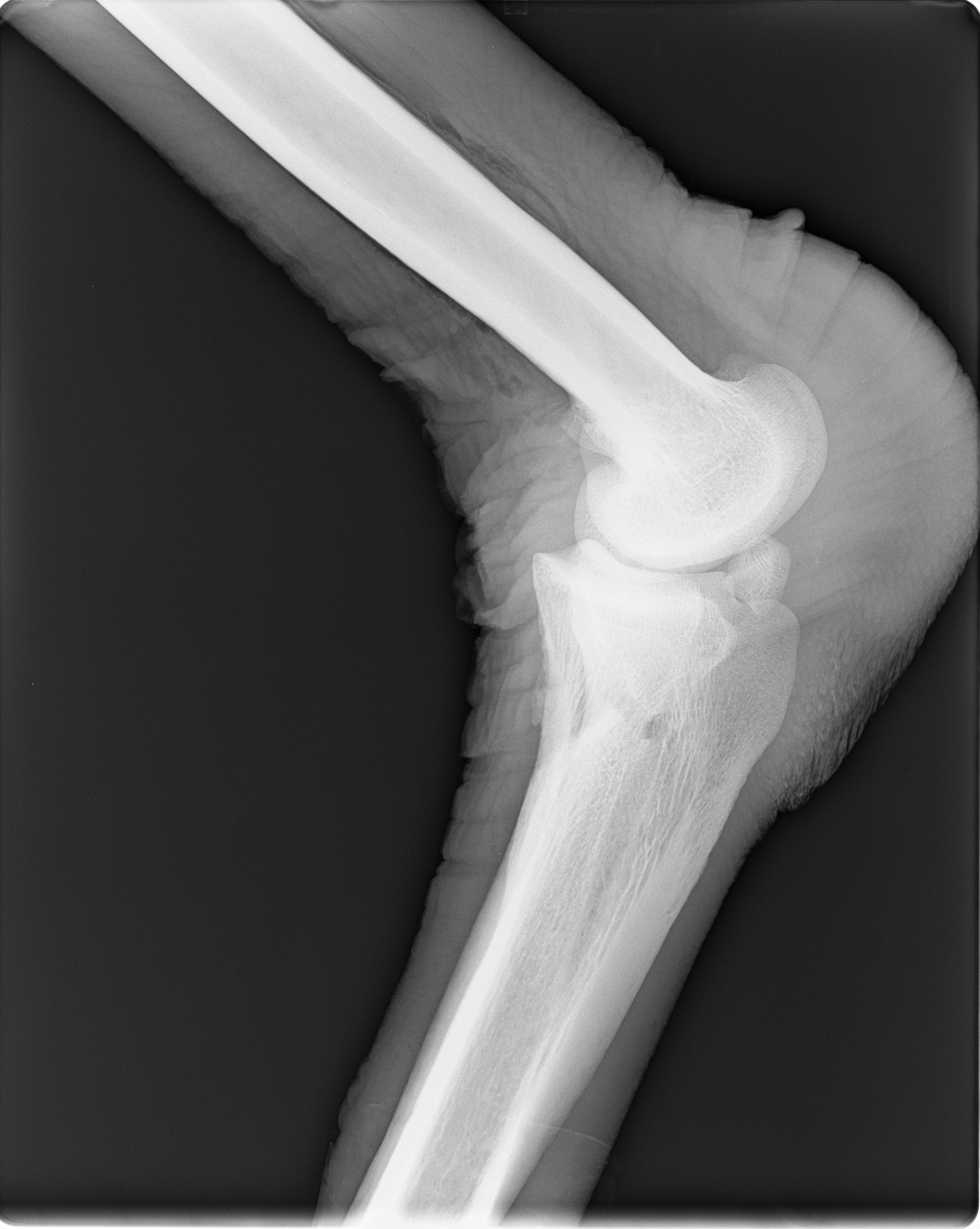
X-ray of two crocodile vertebrae loaded with a metric weight to calculate their joint’s stiffness

Afterwards, we boiled the joints to remove the soft tissues – the smell was indescribable! We took 14 measurements from each vertebra. All of these measurements had been associated with stiffness or range of motion in other studies, so we thought they might be correlated with stiffness in crocodiles also.

morphometrics

Some of the vertebral measurements that were related to stiffness

Despite my efforts to keep it simple, the process of data collection and analysis was anything but. I recall and exchange with Stephanie Pierce that went something like this:

Stephanie: “How’s it going?”

Me: “Well, the data are messy, I’m not seeing the trends I expected, and everything’s taking twice as long as it was supposed to.”

Stephanie: “Yes, that sounds like science.”

That was the biggest lesson for me: going into the project, I had been unprepared for the amount of bumbling around and re-thinking of methods when the results were coming up implausible or surprising. In this case there were a couple of cool surprises: for one thing, crocodiles turn out to have a very different pattern of inter-vertebral joint stiffness than typical mammals: while mammals have stiff thoracic joints and mobile lumbar joints, crocodiles have stiffer lumbar joints. Many mammals use large lumbar movements during bounding and galloping, so crocodiles must use different axial mechanics than mammals, even during similar gaits. While that’s not shocking (they did evolve their galloping and bounding gaits, and associated anatomy, totally independently), it is neat that this result came out so clearly. Another unexpected result was that, although several of our vertebral measurements were correlated with stiffness, some of the best predictors of stiffness in mammals from previous studies were not correlated with stiffness in crocodiles. The study tells a cautionary tale about making assumptions about extinct animals using data from only a subset of their living relatives or intuitive ideas about form and function.

Finally, the experience of doing the experiments and writing the paper got me interested in other aspects of crocodilian functional anatomy. For instance, how does joint stiffness interact with other factors, such as muscle activity and properties of the ribs, skin, and armor in living crocodiles? Previous studies by Frey and Salisbury had commented on this, but the influence of those factors is less tractable to experiment on or model than just naked backbones with passively stiff joints. In the future, I’d like to study vertebral movements during locomotion in crocodiles – especially during bounding and galloping – to find out how these patterns of stiffness relate to movement. In the meantime, our study shows that, to a degree, crocodile backbone dimensions do give some clues about joint stiffness and locomotor function.

To find out more, read the paper! It was just featured in Inside JEB.

Julia Molnar, Stephanie Pierce, John Hutchinson (2014). An experimental and morphometric test of the relationship between vertebral morphology and joint stiffness in Nile crocodiles (Crocodylus niloticus). The Journal of Experimental Biology 217, 757-768 link here and journal’s “Inside JEB” story
Read Full Post »

I Can’t Remember Freezermas…
Can’t Tell Dissection from a CT.
Deep down Inside I Feel to Freeze.
These Wonderful Scenes of Anatomy!
Now That the Week Is Through with Me,
I’m Waking up; Ratites I see
And There’s Not Much Left of These:
Nothing remains but bones now

(digested from Metallica’s “One“, in …And Justice For All, the pummeling, slickly produced, huge-sounding, Jason Newsted-bass-playing leviathan of a thematic album (1988). It was all downhill for Metallica after this one, but it was a good year for rock! The song is about a soldier who had traumatic injuries and was left paralyzed, “locked-in” to his own mind. Themes/footage from “Johnny Got His Gun” (1939 book/1971 movie) are interspersed. Did you see this track coming? If so, you’re just as demented as I am; congrats!)

And so another year ends; we’re at the final post of Freezermas 2014: The Concept Album. We had 7 tracks involving leitmotifs of ostriches and cats and 2 vs. 4 legs, and CTs and x-rays, and epic dissections, and disturbing pathologies, and some twisted lyrics that mangled classic albums. There are so many more concept albums I could have touched on- great ones by Rush, Yes, Savatage, Helstar, Mastodon… many more. But I’ll give you a chance to sit in the DJ’s seat in this post!

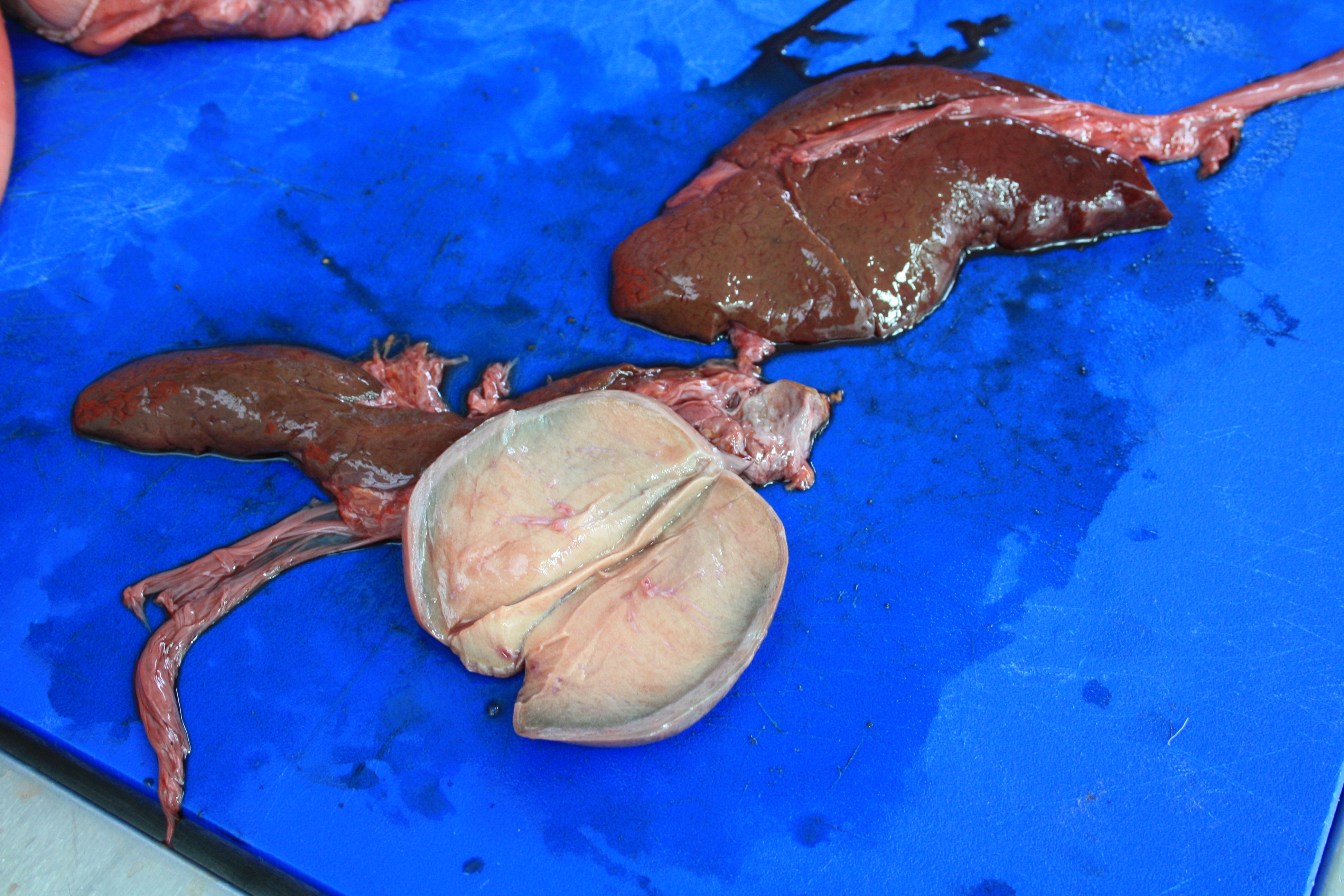
Stomach-Churning Rating: 6/10. Some internal organs.

Today’s one mystery dissection photo is of two things, and the Mystery Anatomy challenge is to identify both (the 2-part brown thing and the 1-part whitish thing). They are from our friend the ostrich.

Your task is to weave your answer into the lyrics of a song from any concept album (2 lines or more)– you must identify the song, artist and album with your answer so we can figure out the tune. Any genre is OK as long as it is clearly a concept album (music, that is). You have freedom. Use it wisely! As always, bonus points for extra cleverness.

Whazzat?

We’ll let Maytagtallica sing us out:

♫Hold my breath as I wait for points
Oh Please John, blog more?♫

no

Read Full Post »

And I post my blog and stare
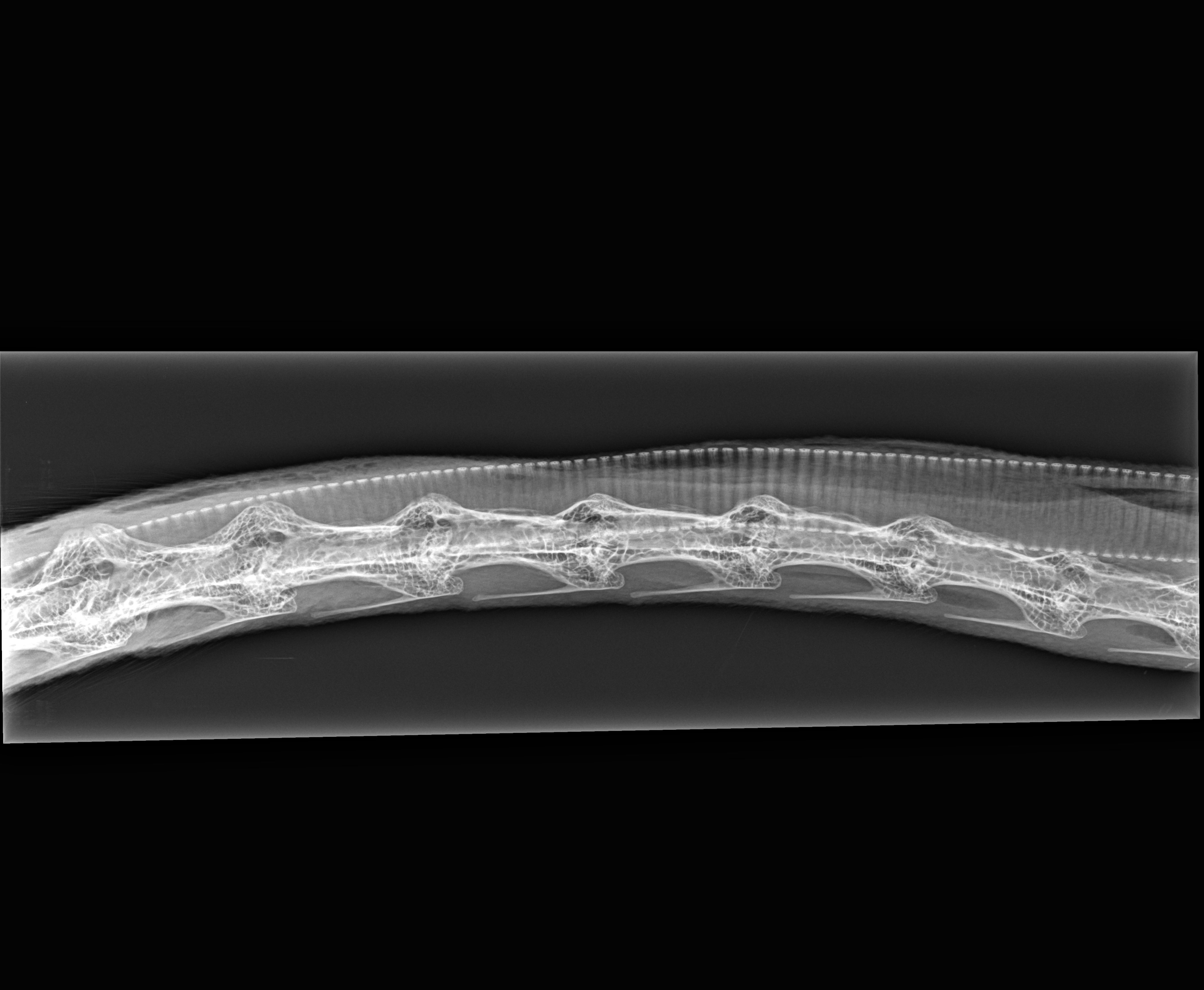
Into x-rays of an ostrich
I’ve always known that radiographs never lie
People always say “that’s cool”
To see x-rays of an ostrich
So keen to know what
Lies behind the skin

(evolved from “Eyes of A Stranger” by Queensrÿche, from the epic masterpiece of Operation: Mindcrime (1988). One of my favourite albums of all time, and a fantastic concept album too. The band was operating at their peak. Tight! Drug addict Nikki gets brainwashed by the evil Dr. X and made to assassinate a nun, Sister Mary, who was a prostitute, and then there’s like a revolution or something, and things get all screwed up and no one ends up happy – or alive. All the while, Geoff Tate is singing his guts out. Anyway, I got to see them play the whole album live in 1990 in Madison, WI, for the filming of Operation: Livecrime, which was like a Mecca moment for me back then. Look for me (pre-bald years) in about the 6th row. )

What does that album have to do with the number 2 (two days left in Freezermas)? Hmm… Track 2 is the instrumental Anarchy-X, and today’s post is about X-rays as well as that funky ostrich (2 legs good! 2 toes good, too!) again, so I’m satisfied, and by this point you’re probably just oggling the mind-blowing images below anyway, so fuck it!

Stomach-Churning Rating: 2/10; just X-rays.

Tech/MRes Kyle Chadwick, Renate Weller and the equine imaging team at the RVC took these x-rays of our birdie for us and for an artist who is doing a big x-ray animal art show (more news on this soon!)– thanks to all of them for some truly awesome images! I could stare at the intricate details in these images for hours– go ahead, do it. Click to emostrichinate them (this post needs to be viewed on nice big screen), and oggle away…

Head and neck.

Head and neck.

Another view of the same.

Another view of the same. The highly flexible esophagus and trachea can be seen going diagonally across the neck; twisting from ventral to dorsal. It’s floppy, so it can do that.

Neck near the head; tapering.

Neck near the head; tapering.

Middle of neck. Check out the rings of the trachea!

Middle of neck. Check out the rings of the trachea!

Base of neck and shoulder

Base of neck and shoulder.

Shoulder and chest. Hard to image; thick and dense (still was frozen).

Shoulder and chest. Hard to image; thick and dense (still was frozen), hence the whiteout toward the left side of the image.

Check out that wing!!

Check out that wing!!

Ankle- note the big calloused pad that ostriches rest on (right side of image).

Ankle- note the big calloused pad that ostriches rest on (right side of image).

That two-toed foot... but did you know that normally the missing 2nd toe is still there as a fibrous remnant on the 3rd toe?

That two-toed foot… but did you know that normally the missing 2nd toe is still there as a fibrous remnant on the 3rd toe?

Tomorrow: the final day of Freezermas. What will it be?

Read Full Post »

Sick feet, pig feet, boo hoo, in pain you are
Not well heeled; fate sealed, oh no, inflamed they are
And when your trotter’s on the floor
You’re nearly a good boar
Almost a porker

(corrupted from Pink Floyd’s “Pigs (Three Different Ones)” track #3 from the Animals concept album (1977). A song with quite a history- check out some more about it.)

It could happen...

It could happen…

Concept albums often weave back and forth between themes in a non-linear story, returning to refrains and leitmotifs to create their narrative weft and warp. This Freezermas, I’ve already woven in two legs and four legs, cats and other beasts, x-rays and more. Today, I tie in another thread, which extends throughout the blog, but especially into yesterday’s post. This post is about feet and health again. But it is also solely about pigs, which are cool animals whose biomechanics are surprisingly little studied.

It’s a shorter post (in contrast to the 11-17 minute Pink Floyd cousin song); a drum solo if you will; with just three images representing three big pigs and their funky feats of footedness, and the three days left in Freezermas. One image is about ongoing research; the other two about bizarre cases that kinda freak me out (enough to want to know more about them).

Stomach-Churning Rating: 4/10, not for gore but for surreality; things that should not be. Especially the 2nd picture.

pig gif

Above: X-ray GIF (may take a while to load) from our 3D XROMM analyses of foot biomechanics, here showing a pig studied by Dr. Olga Panagiotopoulou (also RVC Fellow Jeff Rankin; and Prof. Steve Gatesy at Brown University). With data like these, we not only can measure how the tiny bones move, but also get better estimates of the loads on the soft tissues within those feet. Those loads should relate to the risks of musculoskeletal injury or disease. This GIF is just a teaser for some fantastic 3D images we’re producing. The pig’s feet were normal. The odd little spheres on them are skin-adhered markers that let us compare how external estimates of skeletal motion compare to actual motion; normally this is a big source of error.

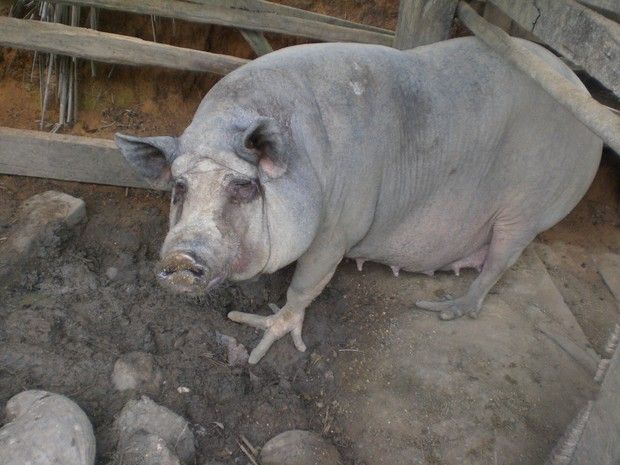
I know little about this case, posted on Reddit (link here), except that the overgrown, grossly deformed toes/hooves of this pig are like nothing I've seen before! This almost gave me nightmares. Poor chicken-footed pig!

I know little about this case (seems to trace back to an original Brazilian news story), posted on Reddit (link here), except that the overgrown, grossly deformed toes/hooves of this pig are like nothing I’ve seen before! This almost gave me nightmares. Poor chicken-footed pig. Foot deformities of this kind in pigs don’t seem to be as much of a problem as in cattle or horses; from the limited literature I’ve seen on this, they seem to have more problems with the soft tissues of their feet, such as  abscesses or inflammation of the digital cushion (padding) of the trotter.

Another crazy case; but this one I was able to track down more about after reading the Reddit post here. The Getty images page says: This photo dated November 24, 2011 shows a Chinese farmer showing off his prize swine, which he named 'Strong Pig', as the disabled animal keeps its 30kgs of body suspended in midair, in Mengcheng, east China's Anhui province. The pig has become an internet sensation around China due to its ability to walk around balancing on its two front legs. TOPSHOTS CHINA OUT AFP PHOTO (Photo credit should read STR/AFP/Getty Images)

Another crazy case; but this one I was able to track down more about after reading the Reddit post here. This news image page says:
“This photo dated November 24, 2011 shows a Chinese farmer showing off his prize swine, which he named ‘Strong Pig’, as the disabled animal keeps its 30kgs of body suspended in midair, in Mengcheng, east China’s Anhui province. The pig has become an internet sensation around China due to its ability to walk around balancing on its two front legs. TOPSHOTS CHINA OUT AFP PHOTO (Photo credit should read STR/AFP/Getty Images)”

Bipedal pigs– two legs good again? I guess so. Well done, Strong Pig. Well done.

Bipedal ability in injured/deformed/spooked quadrupeds is not so unusual- in addition to trained macaques and rats that have been scientifically studied, there are plenty of examples out there on the internet of videos/GIFs of bipedal cats, dogs, and so on… Post your favourites below. Hooray for the marvelous plasticity of the locomotor system! As Pink Floyd famously wrote, “Any fool knows a dog needs a home, a shelter from bipedal pigs.” (or something like that)

Read Full Post »

Why should you care
If you have to trim my hooves?
I’ve got to move with good feet
Or be put down fast.
I know I should trot
But my old vet she cares a lot.
And I’m still living on stone
Even though these feet won’t last.

(mutated from The Who, “Cut My Hair“, Quadrophenia… from the heyday of concept albums and grandiose rock!)

Talkin' bout my osteitis?

Talkin’ bout my osteitis

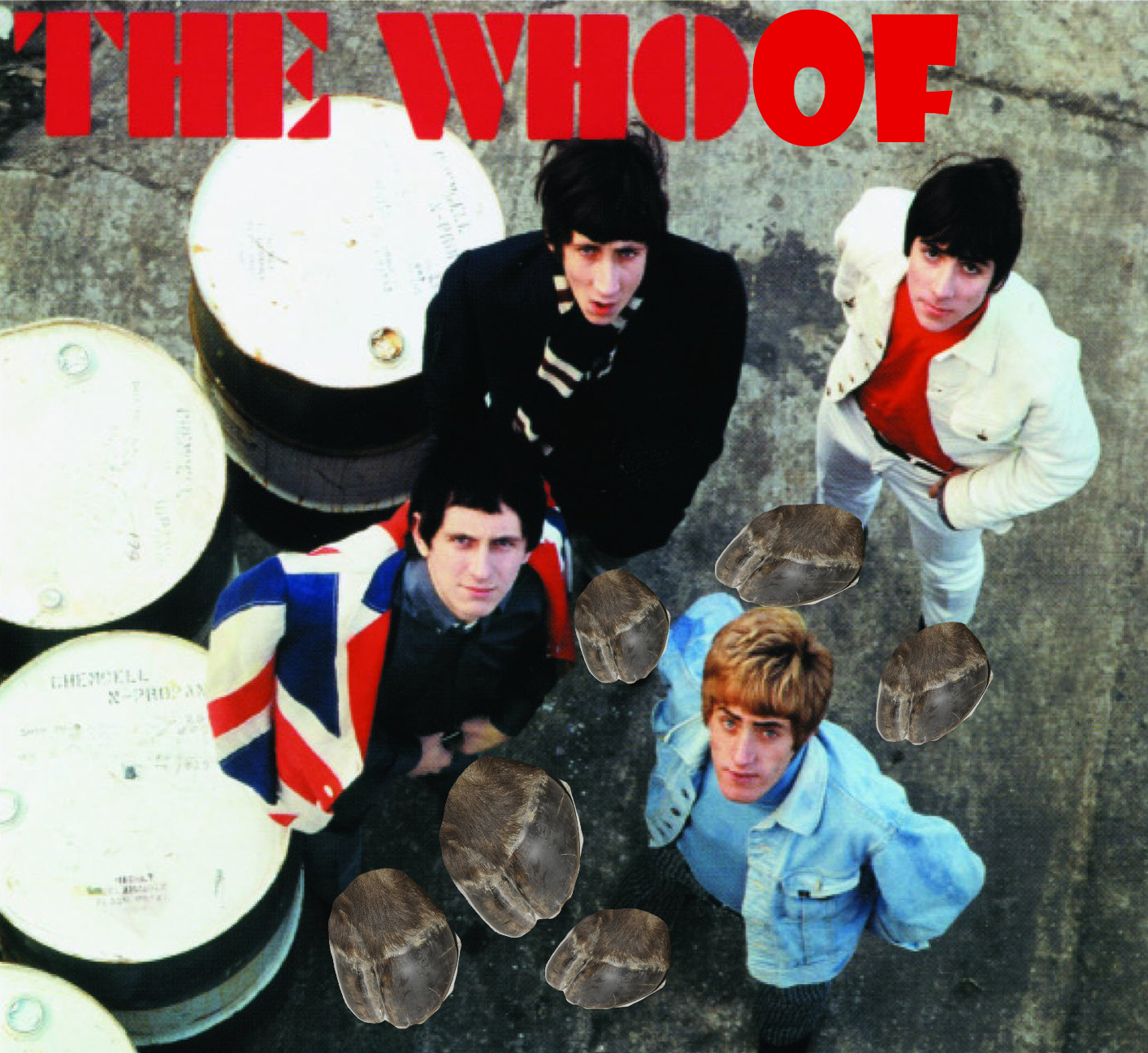
Day Four of Freezermas. Four posts to go. I can see through time… Hence the silly title for today’s concept album track. Quadrupedophilia did not have a good ring to it, anyway.

Stomach-Churning Rating: 4/10. Reasonably tame; bones and hooves. Some pathologies of those, but not gory.

If Quadrophenia was the story of a man with four personalities (metaphor for the four band members), then quadrupedopheniaphilia is the story of how diverse forms of four-legged animals have lots of problems because of our exploitation of them, which leaves a crisis to resolve: Who are we? Are we caring enough to fix a bad situation we’ve created for our four-legged ungulate comrades?

Four legs good, two legs bad? Not really. I featured ostriches earlier this week and two legs are indeed pretty good. Four-legged cats are great, too. But four-footed big beasties with deformed hooves: those are bad all around. That leads to today’s topic…

But hey, happy 205th funkin’ birthday Charles freakin’ Robert Darwin!

Charles Darwin on his horse “Tommy” in 1868- from the Darwin Correspondence Project, https://www.darwinproject.ac.uk/darwins-photographic-portraits

Today’s post concerns a phenomenon that (Western) civilization has wrought with large hoofed mammals, and evolution is a big part of it (as well as biomechanics and anatomy) . Cynical perspective, with some truth to it: We’ve evolved larger and heavier animals to either do harder and harder work on tough surfaces like concrete floors and tarmac roads, or to stand around while we gawk at them or wait for them to get fat and tasty. Either way, the outcome should come as no surprise: their feet, the interface of that hard ground and their body, eventually start falling apart.

I’ve posted about this several times with respect to rhinos and elephants (here and here and here and here and here), but this post hits closer to home: what goes wrong with the humble hoof of our friend the horse, cow, sheep or other ungulate. It’s where the rubberkeratin hits the road. Ungulates have not evolved to live on dirty, wet concrete floors; to be obese and inactive; or to have hooves that don’t get worn down. So they suffer when they do encounter those modern conditions.

“No foot no horse,” they say, and it’s so true- once the feet start to go (due to hoof overgrowth or cracks, abscesses or other trouble), it’s hard to reverse the pathologies that ensue (arthritis, osteomyelitis, infections, fractures, etc.) and the animals start going lame, then other limbs (supporting greater loads than the affected limb) start to go, too, sometimes.

Jerry the obese, untrimmed-hoof-bearing horse.

Jerry the obese, untrimmed-hoof-bearing horse. “Turkish slippers” is an apt description. DM has more here.

We can do plenty about these problems, and the title track above explains one of them: trimming hooves. Hooves often get overgrown, and if animals are tame enough (requires training!) or are sedated (risky!), hoof care experts (farriers) can rasp/file/saw them down to a more acceptable conformation. If we don’t, and the animals don’t do the trimming themselves by digging or walking around or living on varied surfaces, then the feet can suffer. But there’s still not much evidence for most common species kept in captivity by humans that indicates what the best methods are for avoiding or fixing foot problems.

What we’ve been trying to do at the RVC is use our expertise in evolution, anatomy and biomechanics to find new ways to prevent, detect, monitor or reverse these foot problems. We had BBSRC grant funding from 2009-2012 to do this, and the work continues, as it behooves us to do… Past posts have described some of this research, which spun off into other benefits like re-discovering/illuminating the false sixth toes of elephants. We’re working with several zoos in the UK to apply some of the lessons we’re learning to their animals and management practices.

Above: Thunderous hoof impacts with nasty vibrations, and large forces concentrated on small areas, seem to contribute to foot problems in hoofed mammals. From our recent work published in PLOS ONE.

Foot health check on a white rhino at a UK zoo. Photo by Ann & Steve Toon, http://www.toonphoto.com/

Foot health check on a white rhino at a UK zoo; one of the animals we’ve worked with. Photo by Ann & Steve Toon, http://www.toonphoto.com/

If it works, it’s the most satisfying outcome my research will have ever had, and it will prevent my freezers from filling up with foot-influenced mortality victims.

Again, I’ll tell this tale mainly in photos. First, by showing some cool variations evolved in the feet of hoofed mammals (artiodactyls and perissodactyls; mostly even/odd-toed ungulates of the cow/sheep and horse lineages, respectively). Second, by showing some pretty amazing and shocking images of how “normal” hooves go all wonky.

Two ways to evolve a splayed hoof for crossing soft ground: 2 toes that are flexible and linked to big pads (camel), and 2 main toes that allow some extra support from 2 side toes when needed (elk). At Univ. Mus. Zoology- Cambridge.

Two ways to evolve a splayed hoof for crossing soft ground: 2 toes that are flexible and linked to big pads (camel), and 2 main toes that allow some extra support from 2 side toes when needed (elk). At Univ. Mus. Zoology- Cambridge.

Diversity of camelid foot forms: big clunky, soft Old World camel feet and dainty, sharp highland New World camelids.

Diversity of camelid foot forms: big clunky, soft Old World camel feet and dainty, sharp highland New World camelids. [Image source uncertain]

Moschus, Siberian musk deer with remarkable splayed hooves/claws; aiding it in crossing snowy or swampy ground. At Univ. Mus. Zoology- Cambridge.

Moschus, Siberian musk deer with remarkable splayed hooves/claws; aiding it in crossing snowy or swampy ground. At Univ. Mus. Zoology- Cambridge.

Tragulus, or mouse-deer, with freaky long "splint bones" (evolutionarily reduced sole bones or metatarsals) and dainty hooved feet. At Univ. Mus. Zoology- Cambridge.

Tragulus, or mouse-deer, with freaky long “splint bones” (evolutionarily reduced sole bones or metatarsals) and dainty hooved feet. At Univ. Mus. Zoology- Cambridge.

Overgrown giraffe hooves. An all-too-common problem, and one we're tacking with gusto lately, thanks to PhD student Chris Basu's NERC-funded giraffe project!

Overgrown giraffe hooves. An all-too-common problem, and one we’re tacking with gusto lately, thanks to PhD student Chris Basu’s NERC-funded giraffe project!

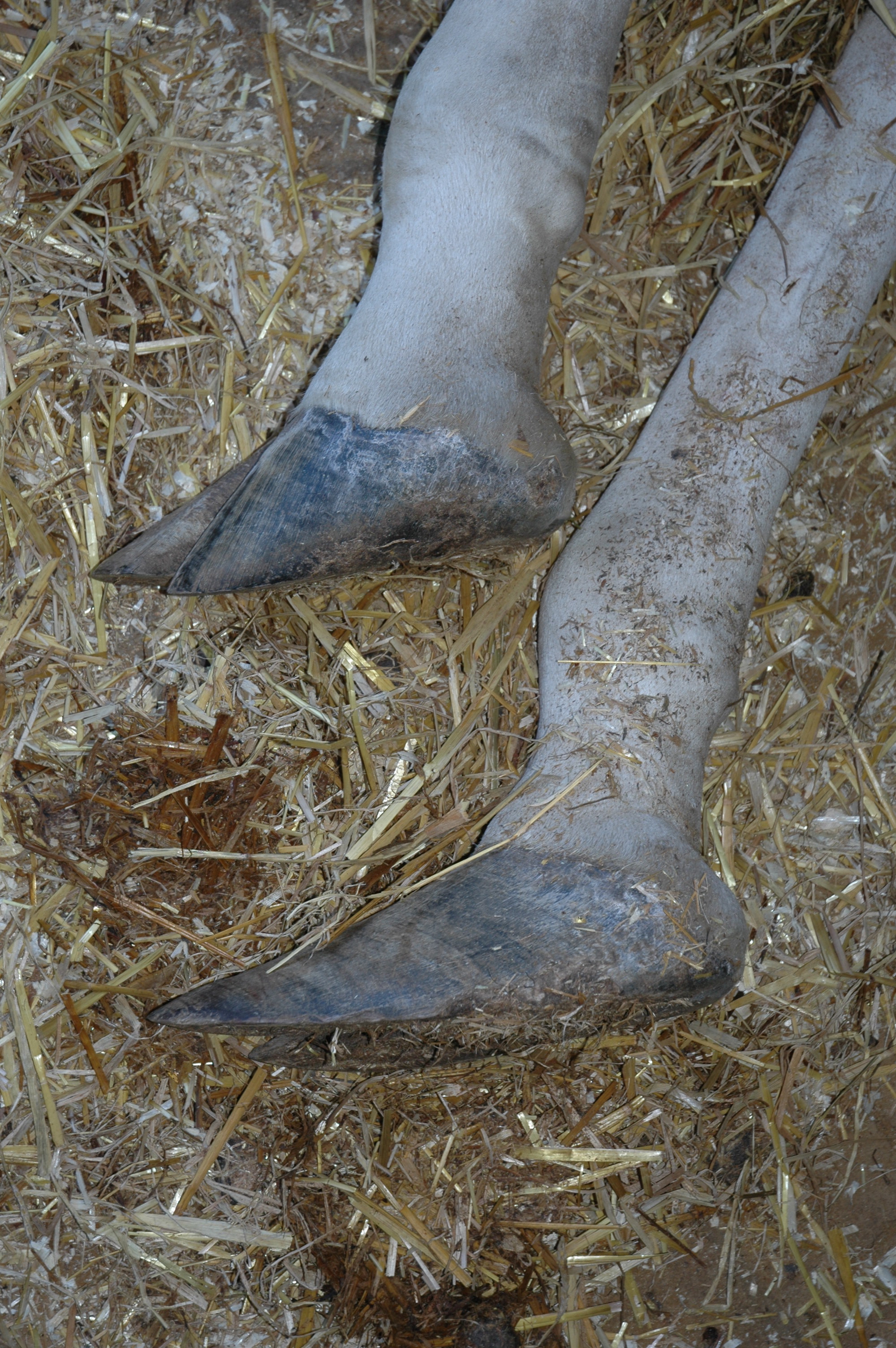
Wayyyyyyyyy overgrown hooves of a ?sheep, from the RVC's pathology collection.

Wayyyyyyyyy overgrown hooves of a ?sheep, from the RVC’s pathology collection.

Craaaaaaazy overgrown ?cow hooves, from the RVC's pathology collection.

Craaaaaaazy overgrown ?sheep hooves, from the RVC’s pathology collection.

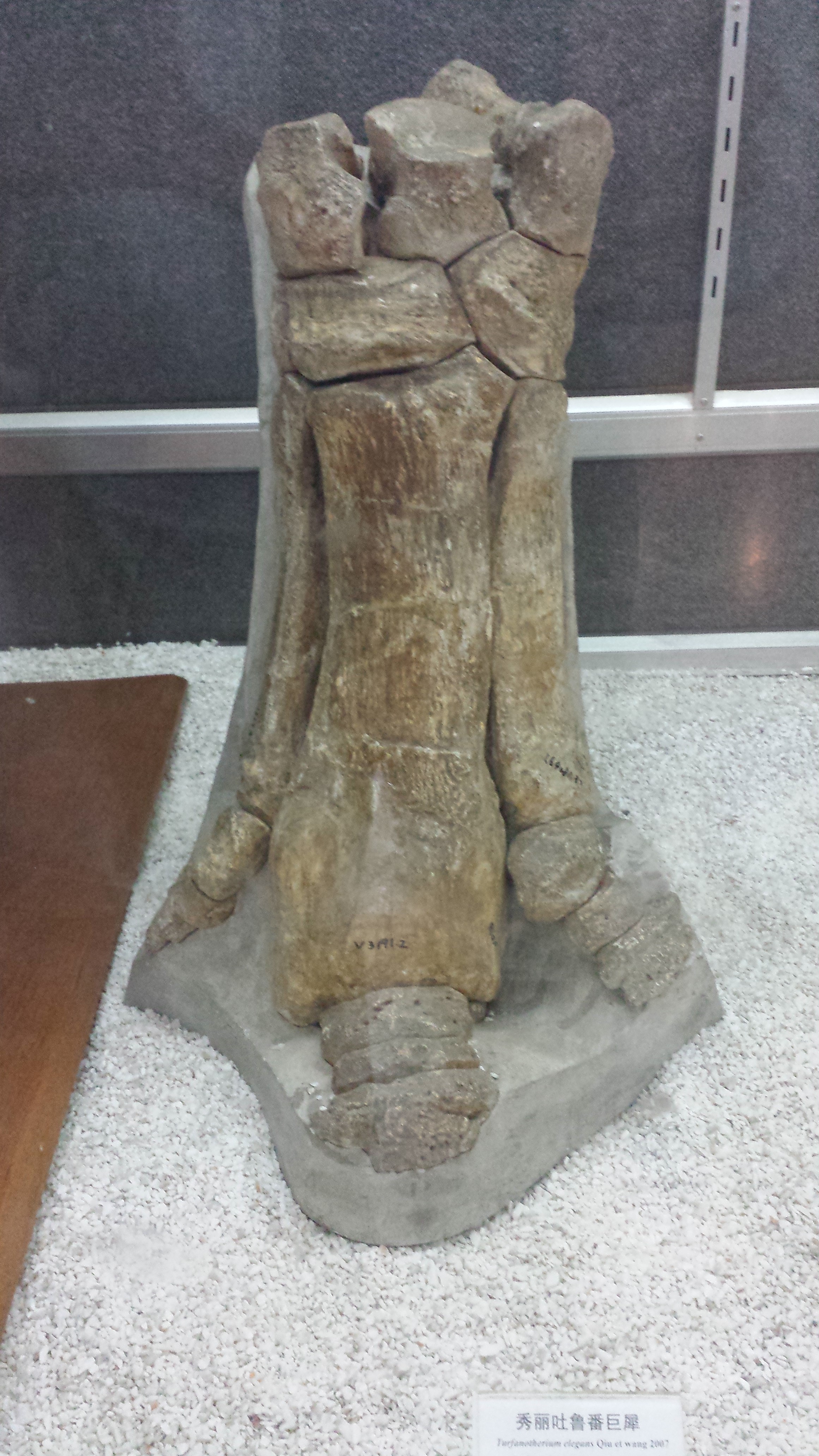
If we understand how foot form, function and pathology relate in diverse living hoofed mammals, we can start to piece together how extinct ones lived and evolved- like this giant rhinoceros! At IVPP museum in Beijing.

If we understand how foot form, function and pathology relate in diverse living hoofed mammals, we can start to piece together how extinct ones lived and evolved- like this giant rhinoceros! At IVPP museum in Beijing.

So, what do we do now? If we love our diverse hoofed quadrupeds, we need to exert that quadrupedopheniaphilia and take better care of them. Finding out how to do that is where science comes in. I’d call that a bargain. The best hooves ever had?

Read Full Post »

Freezermas continues with track 3 of our rockin’ anatomy concept album! The number of the beast today is 5 (five days to go in Freezermas!), and I will deviate from the rock/metal theme to embrace the other side of the tracks: hip hop and rap. The Beastie Boys and I go way back: their “Licensed to Ill” album was the second cassette tape I bought (I remember proudly showing it off in Geometry class, circa 1986/7), and still ranks as one of my favourite albums ever. Everyone should own a copy of that, and of this next album…

The Five Felids, featuring KC

If only MCA were still alive to do this follow-up album…

The Beastie Boys’ superb, old school rap NYC-style (and themed) “To The Five Boroughs” (2004) satisfies my search for a #5-themed concept album/song. No track has that title, so I’m going with this one, “Triple Trouble” (song 3; day 3 of Freezermas… c’mon this is all just an excuse for me to talk about music I like and celebrate the concept album/freezers anyway!), as an introduction to a collaborative cat (felid) project we’ve started; and to continue the felid theme from Sunday (also be sure to check out the Snow Leopard dissection I posted on earlier!):

If You If You 
Wanna Know Wanna Know 
The real deal about the cats
Well let me tell you 
We’re felid funded ya’ll 
We’re gonna bring you some mad facts

(yes, that’s painful, I know… be relieved, I tried working some rap jargon into this post’s text but it just looked wack)

Dodgy-looking bagged-up skinned jaguar (bag-uar?) after delivery from Scotland.

Dodgy-looking bagged-up skinned jaguar (bag-uar?) after delivery from Scotland.

Anjali Goswami at University College London, myself, and Stephanie Pierce have teamed up to join the former’s skills in mammalian evolution, morphometrics, evo-devo and more together with our RVC team’s talents in biomechanics, evolution and modelling, and to apply them to resolving some key questions in felid evolution. We’ve hired a great postdoc from Bristol’s PhD programme, soon-to-be-Dr. Andrew Cuff, to do a lot of the experimental/modelling work, and then we have the marvellous Marcela Randau as a PhD student to tackle more of the morphometrics/evo-devo questions, which we’ll then tie together, as our Leverhulme Trust grant’s abstract explains:

“In studying the evolution of vertebrate locomotion, the focus for centuries has been on limb evolution. Despite significant evolutionary and developmental correlations among the limbs, vertebrae, and girdles, no biomechanical studies have examined the entire postcranial skeleton or explicitly considered the genetic and developmental processes that underly morphological variation, which are captured in phenotypic correlations. We propose to conduct experimental and geometric morphometric analyses of living and fossil cats, including the only large, crouching mammals, to study the evolution of locomotion, the mechanical consequences of size-related morphological evolution, and the evolution of correlations (modularity) in the postcranial musculoskeletal system.”

Above: snow leopard (headless) reconstructed and taken for a spin

Our study will integrate some prior studies from Anjali’s group, on modularity for example, and from my group, on the apparent lack of postural change with increasing size in felids (most other birds and mammals get more straight-legged as size increases, to aid in support, cats don’t– paper forthcoming). How does the neglected vertebral column fit into these limb-focused ideas? We’ll find out!

And it’s all very freezer-based research, using a growing stock of specimens that we’ve collected from zoo/park mortalities, many of which are kindly being supplied by Dr. Andrew Kitchener from the National Museums Scotland. We’ll be scanning, dissecting, measuring and modelling them and then returning the skeletons to be curated as museum specimens. This page features five sets of felid specimens involved in the research. We’ll be presenting plenty more about this research on this blog and elsewhere as it continues!

Above: ocelot from Freezermas day 1, now in 3D!

The Bag-o-Cats: whole specimens of a black-footed cat (Felis nigripes), juvenile cheetah, and juvenile snow leopard. I think. Sometimes you get a bag-o-cats and are not sure.

The Bag-o-Cats: x-ray CT slice showing whole specimens of a black-footed cat (Felis nigripes), juvenile cheetah, and juvenile snow leopard. I think. Sometimes you get a bag-o-cats and are not sure.

Panthera atrox (large American lion) from the NHM in LA. Oh yes we'll be applying our insights to strange extinct cats, too!

Panthera atrox (large American lion; “Naegele’s giant jaguar”) from the NHM in LA. Oh yes we’ll be applying our insights to strange extinct cats, too!

Read Full Post »

MYSTERY ANATOMY RULES: 5 pts for correct, spot-on and FIRST right answer, 4 pts for very close or second, 3 pts for partly right or third in line with right answer, 2 pts for a good try, 1 pt consolation prize for just trying, or for a good joke!

Poetry rounds have special rules as described there, but the general rule is that cleverness gets more points.

If you post as “anonymous” name then it all goes into the same tomb of the unknown anatomist.

If you change your answer, you may lose ~1 pt if I feel frigidly cruel.

Answers posted via Twitter, Facebook, email or whatever do not count! No appeals. I am a frigid dictator.


FINAL 2014 SCORES- In order from top, ice-cool score to lukewarm ones; congratulations to our winner!

14 = Lorna Steel— coasts into a win without needing to comment in the final round; well done Lorna!

12= Jaime Headden– so close!!

11 = Casey Holliday

10 = filippo

9 = AnJaCo

7 = darkgabi,  Reno Hates Me

6 = Brian Speer, Robin Birrrdegg, Heinrich Mallison, Mark Robinson

5 = Olle Håstad, Crispin (@brainketchup), Brand van Sittert

4 = thebadlizard, Cat, Alejandro Otero

3= Stu Pond, Nick

2 = Henry,  pakasuchus, hypnotosov, Ida Wakely, Richard Forrest, hypnotosov, Andy Farke, Dennis E, Brooke, Lisa Buckley, Jan Prochel, Chris Thomas, Mieke Roth, Michael Doube (All in good company here!)

1 = Stella, William Pérez, zoe

Read Full Post »

Freezermas continues! Today we have a treat for you. Lots of detailed anatomy! This post comes from my team’s dissections of an ostrich last week (~3-7 February 2014), which I’ve been tweeting about as part of a larger project called the Open Ostrich.

However, before I go further, it’s as important as ever to note this:

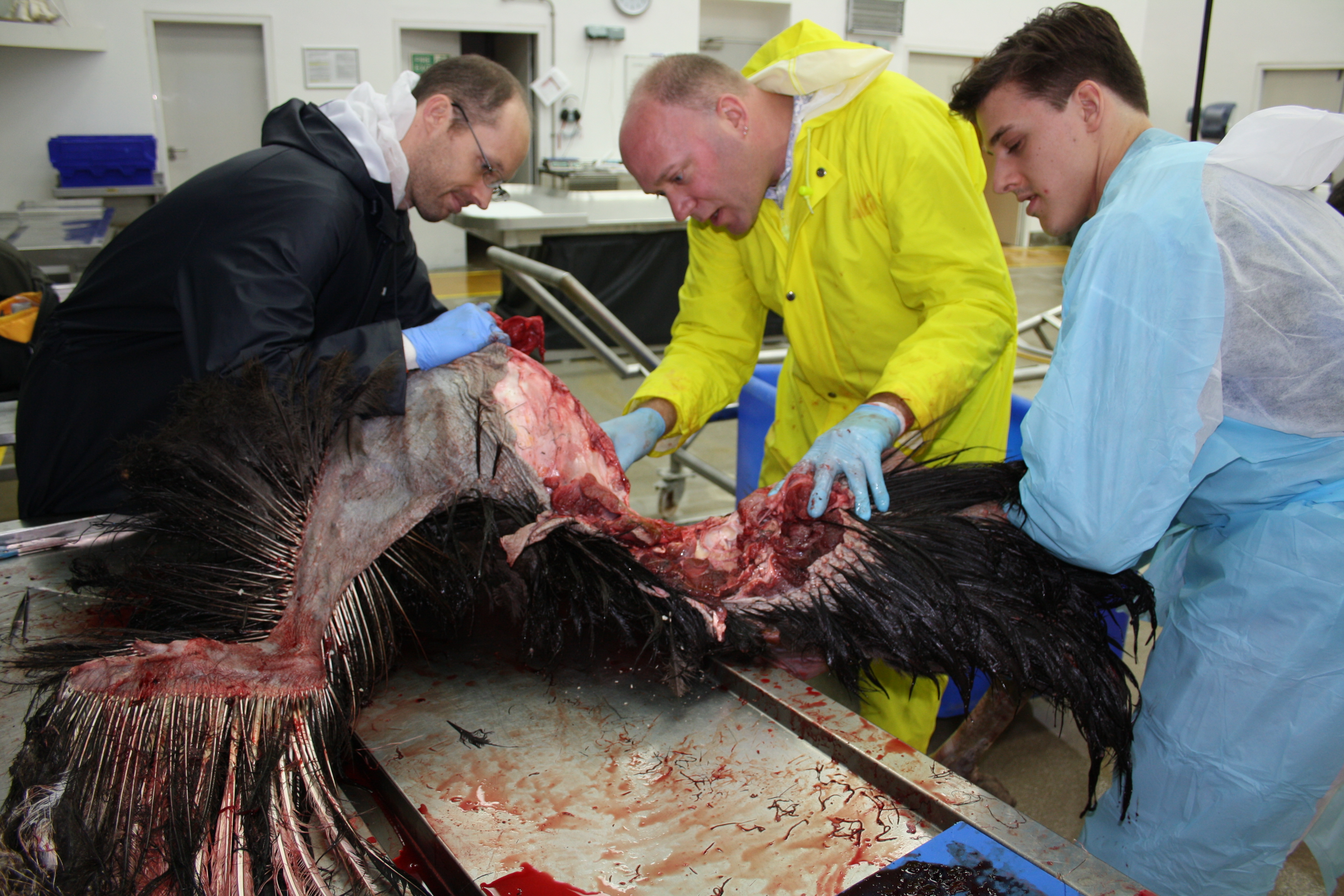
Stomach-Churning Rating: 9/10: bloody pictures of a dissection of a large ostrich follow. Head to toes, it gets messy. Just be glad it wasn’t rotten; I was glad. Not Safe For Lunch!

If the introductory picture below gets the butterflies a-fluttering in your tummy, turn back now! It gets messier. There are tamer pics in my earlier Naked Ostriches post (still, a rating of 6/10 or so for stomach-churning-ness there).

All photo credits  (used with permission) on this post go to palaeoartist Bob Nicholls (please check out his website!), who got to attend and get hands-on experience in extant dinosaur anatomy with my team and Writtle College lecturer Nieky VanVeggel (more from Nieky soon)!

Research Fellow Jeff Rankin, myself and technician/MRes student Kyle Chadwick get to work.

Research Fellow Jeff Rankin, myself and technician/MRes student Kyle Chadwick get to work, removing a wing.

This is a male ostrich, 71.3 kg in body mass, that had gone lame in one foot last summer and, for welfare reasons, we had to put down for a local farmer, then we got the body to study. We took advantage of a bad situation; the animal was better off being humanely put down.

The number for today is 6; six posts left in Freezermas. But I had no idea I’d have a hard time finding a song involving 6, from a concept album. Yet 6 three times over is Slayer’s numerus operandi, and so… The concept album for today is Slayer’s  1986 thematic opus “Reign in Blood” (a pivotal album for speed/death metal). The most appropriate track here is the plodding, pounding, brooding, then savagely furious “Postmortem“, which leads (literally and figuratively, in thunderous fashion) to the madness of the title track, after Tom Araya barks the final verse:

“The waves of blood are rushing near, pounding at the walls of lies

Turning off my sanity, reaching back into my mind

Non-rising body from the grave showing new reality

What I am, what I want, I’m only after death”

I’m not going to try to reword those morbid lyrics into something humorous and fitting the ostrich theme of this post. I’ll stick with a serious tone for now. I like to take these opportunities to provoke thought about the duality of a situation like this. It’s grim stuff; dark and bloody and saturated with our own inner fears of mortality and our disgust at what normally is politely concealed behind the integumentary system’s viscoelastic walls of keratin and collagen.

But it’s also profoundly beautiful stuff– anatomy, even in a gory state like this, has a mesmerizing impact: how intricately the varied parts fit together with each other and with their roles in their environment, or even the richness of hues and multifarous patterns that pervade the dissected form, or the surprising variations within an individual that tell you stories about its life, health or growth. Every dissection is a new journey for an anatomist.

OK I’ve given you enough time to gird yourself; into the Open Ostrich we go! The remainder is a photo-blog exploration of ostrich gross anatomy, from our detailed postmortem.

(more…)

Read Full Post »

Seven dead old limbs
Seven science wins
Seven icy forms beheld
And our trip begins

Seven anat’my jokes
Seven bloody posts
Seven are our sci-comm fires
Seven frozen choirs…

(props to Iron Maiden’s “Moonchild” opening lyrics, from the iconic “Seventh Son of a Seventh Son” concept album, of lofty, epic, frozen, anatomy-bearing motifs)

7th Son

So we come full circle to another Freezermas, another foolhardy attempt to honour Charles Darwin (his birthday is Weds 12th Feb) with seven blog posts in seven days!

There will be mysterious morphology! Expositions of new projects and a new paper! Detailed dissections showing amazing anatomy! Silly songs and other nonsense! So much more that I have no idea about at this writing but will surely come to me! (there is an amorphous plan)

Last year I invoked the 7 days of Freezermas song, but this year the songcraft has changed. Christmas is so 2013! Time for a 1970smodern approach! We’re doing hard rock/heavy metal concept album songs and motifs each day. I started off with one above. Future posts will try to stick to a theme of songs/albums featuring numbers, counting down from seven. Because we all know that Darwin loved to rock. But let’s get on with the real rockin’: the freezer-based anatomical science!

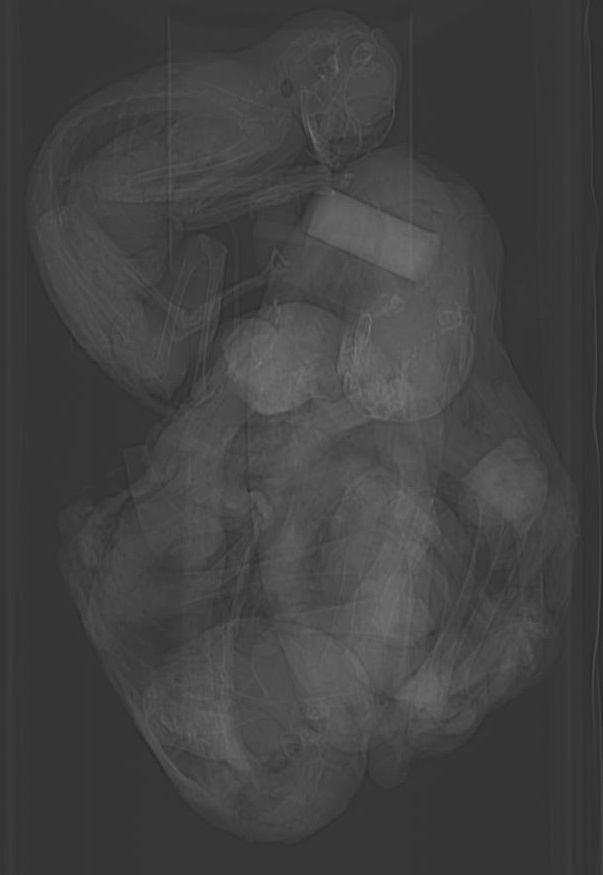
Today we’ll ease you in to Freezermas: The Concept Album, like the acoustic intro of Moonchild did, with some simple Mystery CT Anatomy…

(insert guitar solo here while you mentally prepare yourself)

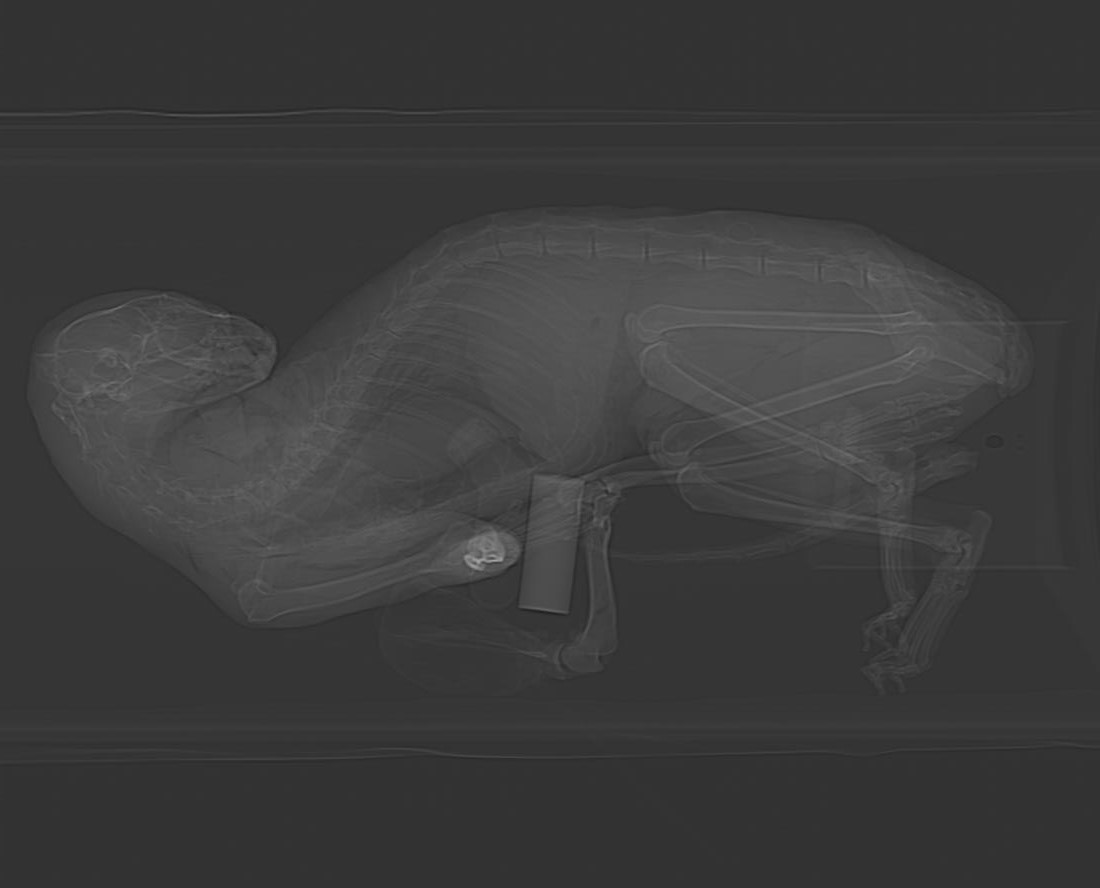
Stomach-Churning Rating: 2/10; simple CT scan of a body.

Mystery Anatomy 2014: same rules as before; remember that the scoreboard has been reset.

Identify the animal in the CT scout/pilot image below, as specifically as you can. 

Today’s special rule: Your answer must be in the form of a lyric (at least 2 lines) from a song by Queen (Google some if you’re unfamiliar– but how?).

Why Queen? One should never question Queen; not a little or a lot.

Difficulty: Is this the real life? Is this just fantasy?

You will probably want to click to emgiganticate the image below.

Mystery CT 11

Don’t let this one drive you Stone Cold Crazy! I know you’re feeling Under Pressure; just Tie Your Mother Down and play The Game.

Read Full Post »

I am sure someone, in the vast literature on science communication out there, has written about this much better than I can, but I want to share my perspective on an issue I think about a lot: the tension between being a human, full of biases and faults and emotions, and doing science, which at its core seems inimical to these human attributes.

Stomach-Churning Rating: 1/10; nothing but banal meme pics ahead…

This is not a rant; it is an introspective discourse, and I hope that you join in at the end in the Comments with your own reflections. But it fits into my blog’s category of rant-like perambulations, which tend to share an ancestral trait of being about something broader than freezer-based anatomical research. As such, it is far from a well-thought-out product. It is very much a thought-in-progress; ideal for a blog post.

(Dr./Mr.)Spock of the Star Trek series is often conveyed as an enviably ideal scientific mind, especially for his Vulcan trait of being mostly logical– except for occasional outbreaks of humanity that serve as nice plot devices and character quirks. Yet I have to wonder, what kind of scientist would he really be, in modern terms? It wasn’t Spock-fanboying that got me to write this post (I am no Trekkie), but he does serve as a useful straw man benchmark for some of my main points.

“Emotions are alien to me – I am a scientist.” (Spock – Paradise syndrome)

The first ingredient of the tension I refer to above is a core theme in science communication: revealing that scientists are human beings (gasp!) with all the same attributes as other people, and that these human traits may make the story more personable or (perhaps in the best stories) reveal something wonderful, or troubling, about how science works.

The second ingredient is simply the scientific process and its components, such as logic, objectivity, parsimony, repeatability, openness and working for the greater good of science and/or humankind.

There is a maxim in critical thinking that quite a few scientists hold: One’s beliefs (small “B”– i.e. that which we provisionally accept as reality) should be no stronger than the evidence that supports them. A corollary is that one should be swift, or at least able, to change one’s beliefs if the evidence shifts in favour of a better (e.g. more parsimonious/comprehensive) one.

It is a pretty damn good maxim, overall. But in viewing, or imagining (as “what-if?” scenarios), you may find that some scientists’ reactions to their beliefs/opinions/ideas — especially regarding conclusions that their research has reached — can occasionally violate this principle. That violation would almost always be caused by some concoction of their human traits opposing the functionality of this maxim and its corollary.

Spock quote

For example (and this is how I got thinking about this issue this week; I started writing the post on 5 December, then paused while awaiting further inspiration/getting normal work done/fucking around), what if Richard Dawkins was confronted with strong evidence that The Selfish Gene’s main precepts were wrong? This is a mere heuristic example, although I was thinking about it because David Dobbs wrote a piece that seemed to be claiming that the balance of scientific evidence was shifting against selfish genes (and he later shifted/clarified his views as part of a very interesting and often confusing discussion, especially with Jerry Coyne– here). It doesn’t matter if it’s Dawkins (or Dobbs) or some other famous scientist and their best or most famous idea. But would they quickly follow the aforementioned maxim and shift their beliefs, discarding all their prior hard work and acclaim? (a later, palaeontological, event in December caused me to reflect on a possibly better example, but it’s so controversial, messy and drenched in human-ness that I won’t discuss it here… sorry. If you really want a palaeo-example, insert Alan Feduccia and “birds aren’t dinosaurs” here as an old one.)

I’d say they’d be reluctant to quickly discard their prior work, and so might I, and to a degree that’s a good, proper thing. A second maxim comes into play here, but it is a tricky one: “Extraordinary claims require extraordinary evidence.” For a big scientific idea to be discarded, one would want extraordinary scientific evidence to the contrary. And additionally, one might not want to quickly shift their views to accomodate that new evidence, perhaps, as a hasty rush to a new paradigm/hypothesis could be very risky if the “extraordinary” evidence later turned out itself to be bunk, or just misinterpreted. Here, basic scientific practice might hold up well.

kirk

But, but… that “extraordinary evidence” could be very hard to interpret– this is the tricky bit. What is “extraordinary?” Often in science, evidence isn’t as stark and crisp as p<0.05 (a statistical threshold of significance). Much evidence requires a judgement call– a human judgement call — at some step in its scrutiny, often as a provisional crutch pending more evidence. Therein lies a predicament for any scientist changing any views they cherish. How good are the methods used to accumulate contrary evidence? Does that evidence and its favoured conclusion pass the “straight-face test” of plausibility?

All this weighing of diverse evidence can lead to subjectivity… but that’s not such a bad thing perhaps. It’s a very human thing. And it weighs heavily in how we perceive the strength of scientific methods and evidence. Much as we strive as scientists to minimize subjectivity, it is there in many areas of scientific inquiry, because we are there doing the science, and because subjectivity can be a practical tool. Sometimes subjectivity is needed to move on past a quagmire of complex science. For example, in my own work, reconstructing the soft tissue anatomy of extinct dinosaurs and other critters is needed, despite some varying degrees of subjectivity, to test hypotheses about their behaviour or physiology. I’ve written at length about that subjectivity in my own research and it’s something I think about constantly. It bugs me, but it is there to stay for some time.

One might look at this kind of situation and say “Aha! The problem is humans! We’re too subjective and illogical and other things that spit in the face of science! What we need is a Dr. Spock. Or better yet, turn the science over to computers or robots. Let amoral, strictly logical machines do our science for us.” And to a degree, that is true; computers help enormously and it is often good to use them as research tools. Evolutionary biology has profited enormously from turning over the critical task of making phylogenetic trees largely to computers (after the very human and often subjective task of character analysis to codify the data put into a computer– but I’d best not go off on this precipitous tangent now, much as I find it interesting!). This has shrugged off (some of) the chains of the too-subjective, too-authority-driven Linnaean/evolutionary taxonomy.

But I opine that Spock would be a miserable scientist, and much as it is inevitable that computers and robots will increasingly come to dominate key procedures in science, it is vital that humans remain in the driver’s seat. Yes, stupid, biased, selfish, egocentric, socially awkward, meatbag humans. Gotta love ’em. But we love science partly because we love our fellow meatbags, and we love the passion that a good scientist shares with a good appreciator of science– this is the lifeblood of science communication itself. Science is one of the loftier things that humans do– it jostles our deeper emotions of awe and wonder, fear and anxiety. Without human scientists doing science, making human mistakes that make fantastic stories about science and humanity, and without those scientists promoting science as a fundamentally human endeavour, much of that joy and wonder would be leached out of science along with the uncomfortable bits.

Bendernator

Spock represents the boring -but necessary- face of science. Sure, Spock as a half-human could still have watered-down, plot-convenient levels of the same emotions that fuel human scientists, and he had to have them to be an enjoyable character (as did his later analogue, Data; to me, emotion chip or not, Data still had some emotions).

But I wouldn’t want to have Spock running my academic department, chairing a funding body, or working in my lab.

Spock might be a good lab technician (or not), but could he lead a research team, inspiring and mentoring them to new heights of achievement? Science is great because we humans get to do it. We get to discover stuff that makes us feel like superheroes, and we get to share the joy of those discoveries with others, to celebrate another achievement of humanity in comprehending the universe.

And science is great because it involves this tension between the recklessly irrational human side of our nature and our capacity to be ruthlessly logical. I hear a lot of scientists complaining about aspects of being a scientist that are more about aspects of being human. Yes, academic job hiring, and departmental politics, and grant funding councils, and the peer review/publishing system, and early career development, and so many other (all?) aspects of being a scientist have fundamental flaws that can make them very aggravating and leave people despondent (or worse). And there are ways that we can improve these flaws and make the system work better. We need to discuss those ways; we need to subject science itself to peer review.

But science, like any human endeavour, might never be fair. As long as humans do science, science will be full of imbalance and error. I am not trying to excuse our naughty species for those faults! We need to remain vigilant for them both in ourselves and in others! However, I embrace them, like I might an embarrassingly inept relative, as part of a greater whole; a sloppy symptom of our meatbaggy excellence. To rid ourselves of the bad elements of human-driven science, to some degree, would require us to hand over science to some other agency. In the process, we’d be robbing ourselves of a big, steamy, stinky. glorious, effervescent, staggeringly beautiful chunk of our humanity.

Spock isn’t coming to take over science anytime soon, and I celebrate that. To err is human, and to do science is to err, from time to time. But science, messy self-correcting process that it is, will untangle that thicket of biases and cockups over time. If we inspect it closely it will always be full of things we don’t like, and weeding those undesirables out is the job of every scientist of any stripe. Self-reflection and doubt are important weed-plucking tools in our arsenal for this task, because every scientist should keep their own garden tidy while they scrutinize others’. This is a task that I, as a scientist, try to take seriously but I admit my own failures (e.g. being an overly harsh, competitive, demanding reviewer in my younger years… I have mellowed).

humanity-and-logic

So here’s to human-driven science. Live long and publish!

Up next: FREEZERMAS!!! A week-long extraganza of all that this blog is really about, centred around Darwin’s birthday. Starts Sunday!

Read Full Post »