Feeds:
Posts
Comments

Archive for August, 2019

If you go into central Lausanne, Switzerland, you’re likely to pass the Palais du Remine, and if you do, I recommend you go inside. I was happy I did while visiting Lausanne for the AMAM2019 conference. A luxurious palace has been given over to house five (!) free (!) museums on science and culture. These include the canton’s (~state’s) museums of palaeontology and zoology, which I’ll showcase here (also a little of geology and archaeology museums). Tripadvisor’s reviews were good but not as glowing as I’d make mine, so I will remedy that. I’m a sucka for old-school museums, and that’s what these are. So if that sounds right for you, journey onward!
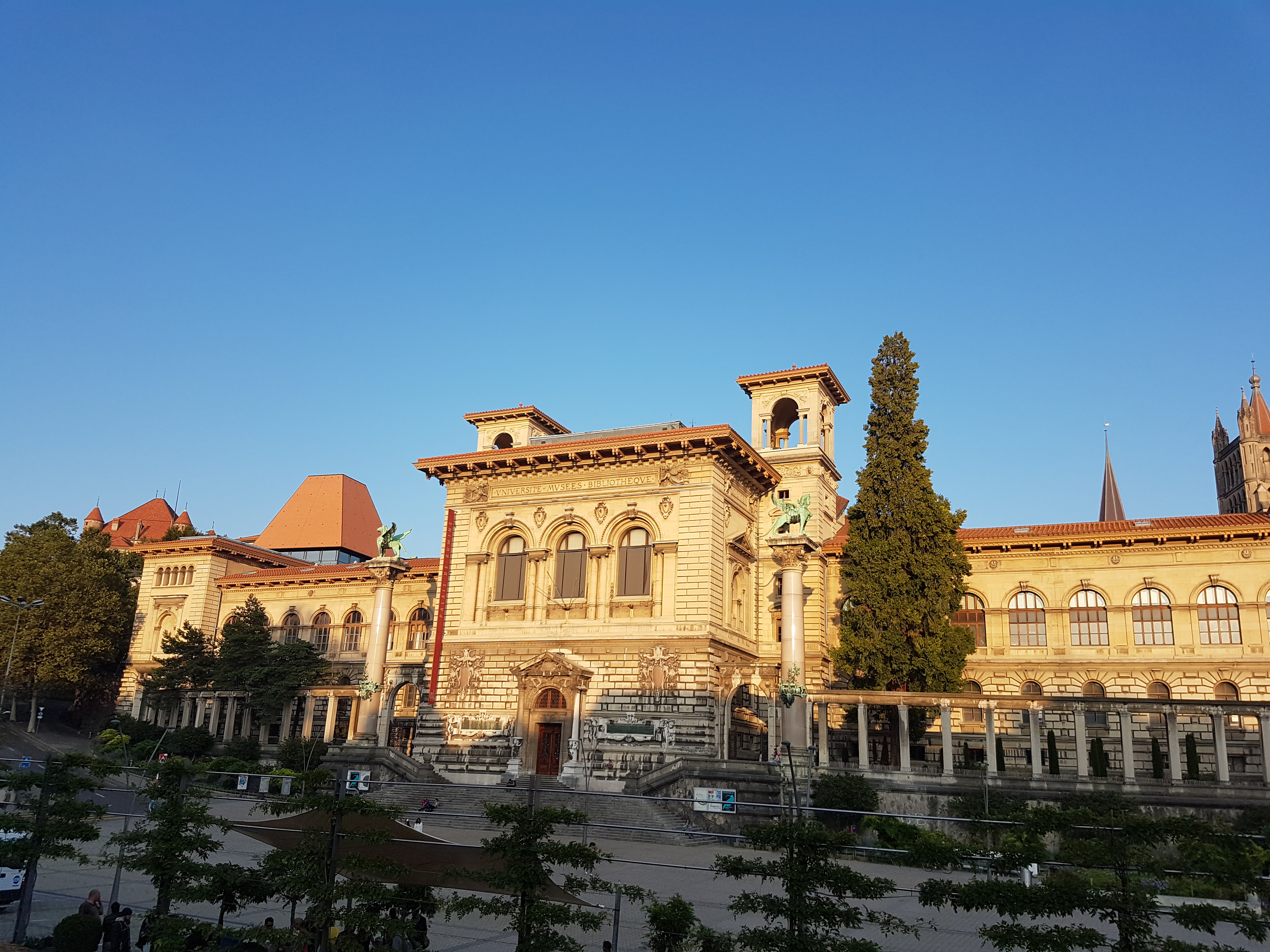
It’s nice.

As you may be expecting by now if you’ve been here before, it’s time for another museum photo blog!

Stomach-Churning Rating: 5/10 for bones, preserved organs, taxidermy aplenty, and animal developmental deformities.

Nice cathedral nearby, w/great view of the city.

Nice interior architecture. There’s lots of nice to behold.

Posters That Get You Excited 101. But you must wait. Like I did.

Quadrupedal human at Zoology museum entry.

Tomistoma, false gharial.

Not a bad collection of taxidermied Crocodylia!

Visually arresting cobra display.
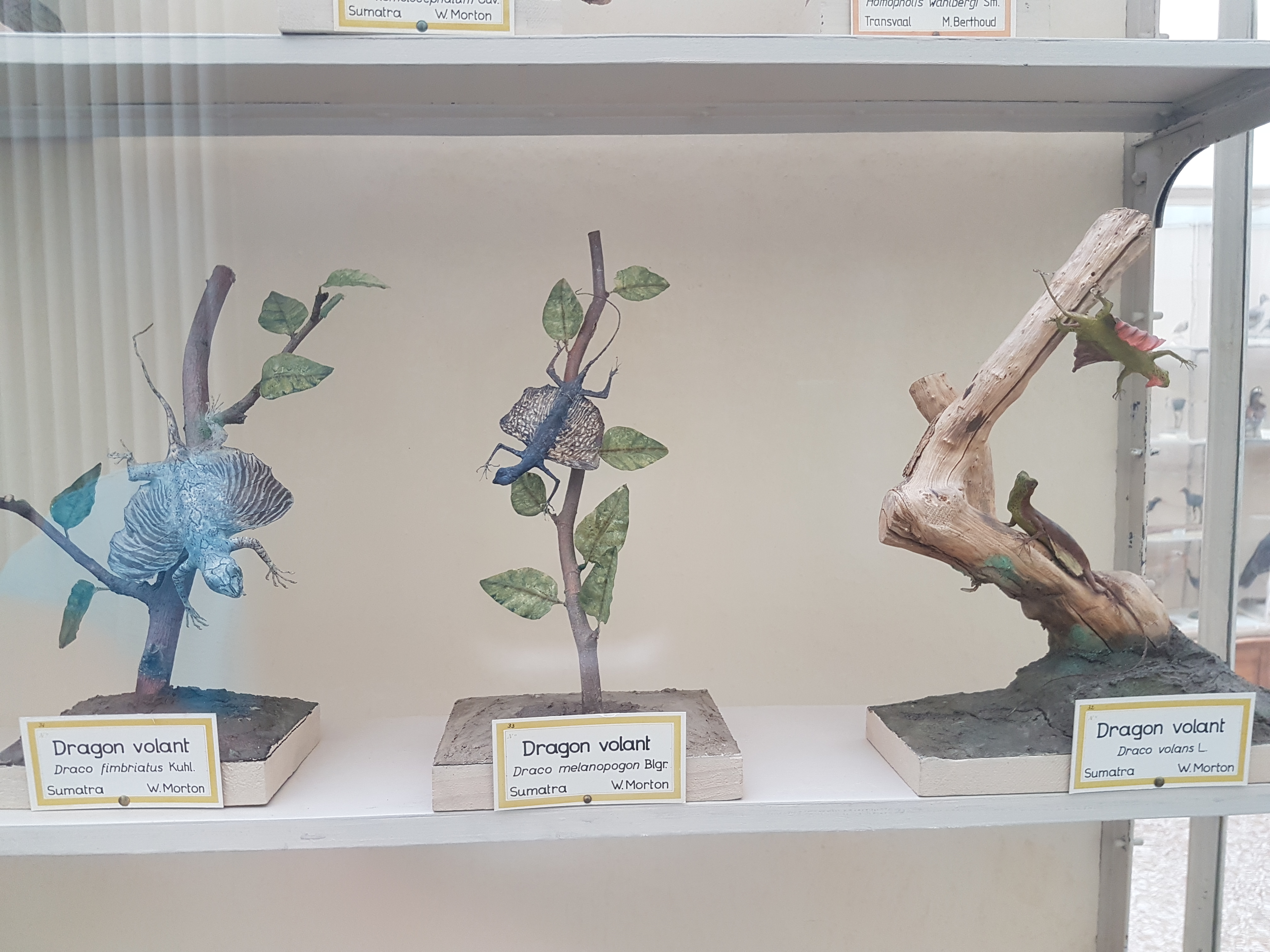
I’ve never seen three Draco gliding lizards on display together!

Bipedal lizard taxidermy displays, freezing the dynamic in the static, are no easy feat.

Plenty of stuffed animals like these raptors/other large birds. Classical zoology museum style. Minimal signage. Just specimen labels, mainly.
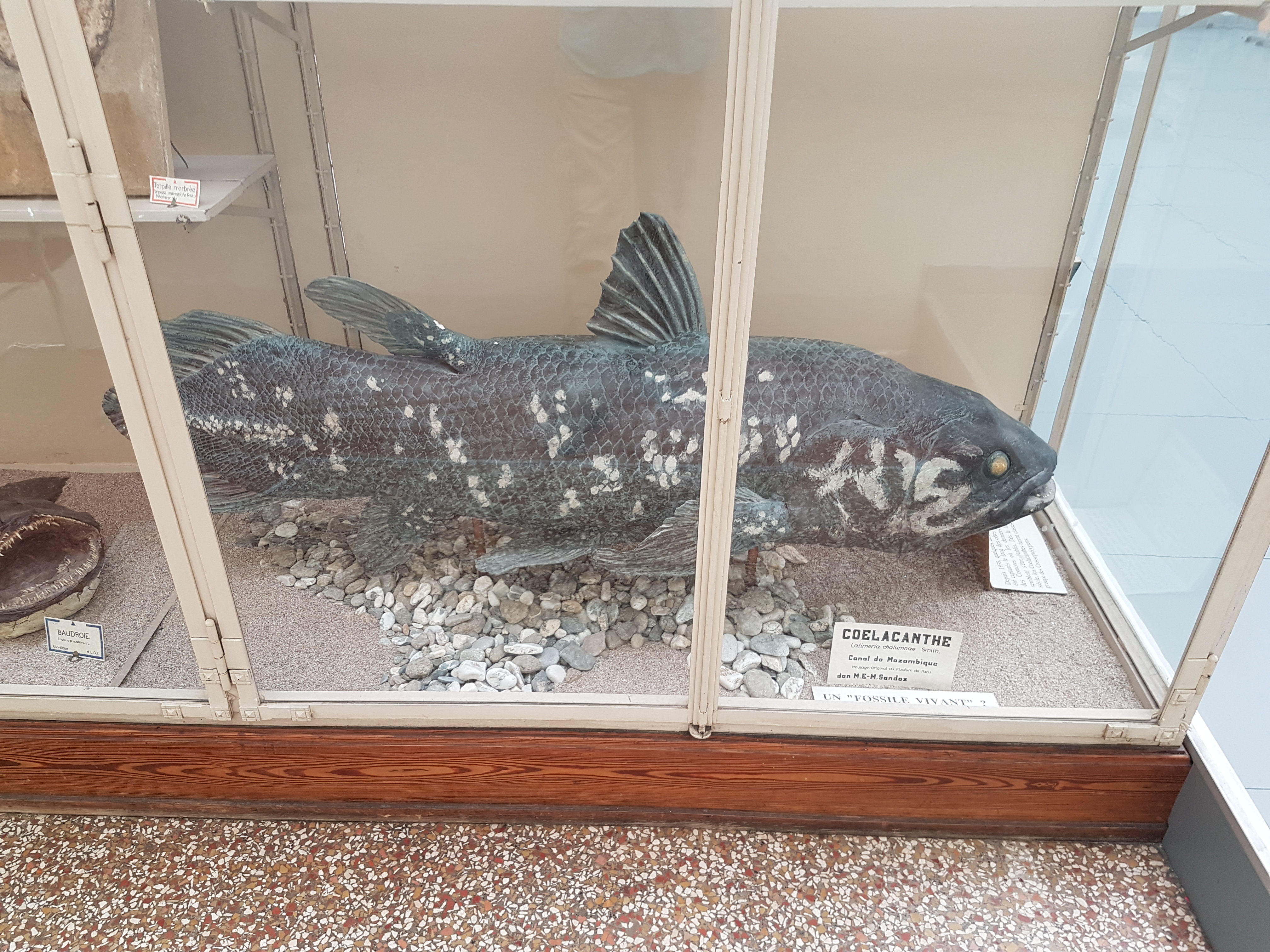
Coelacanth!
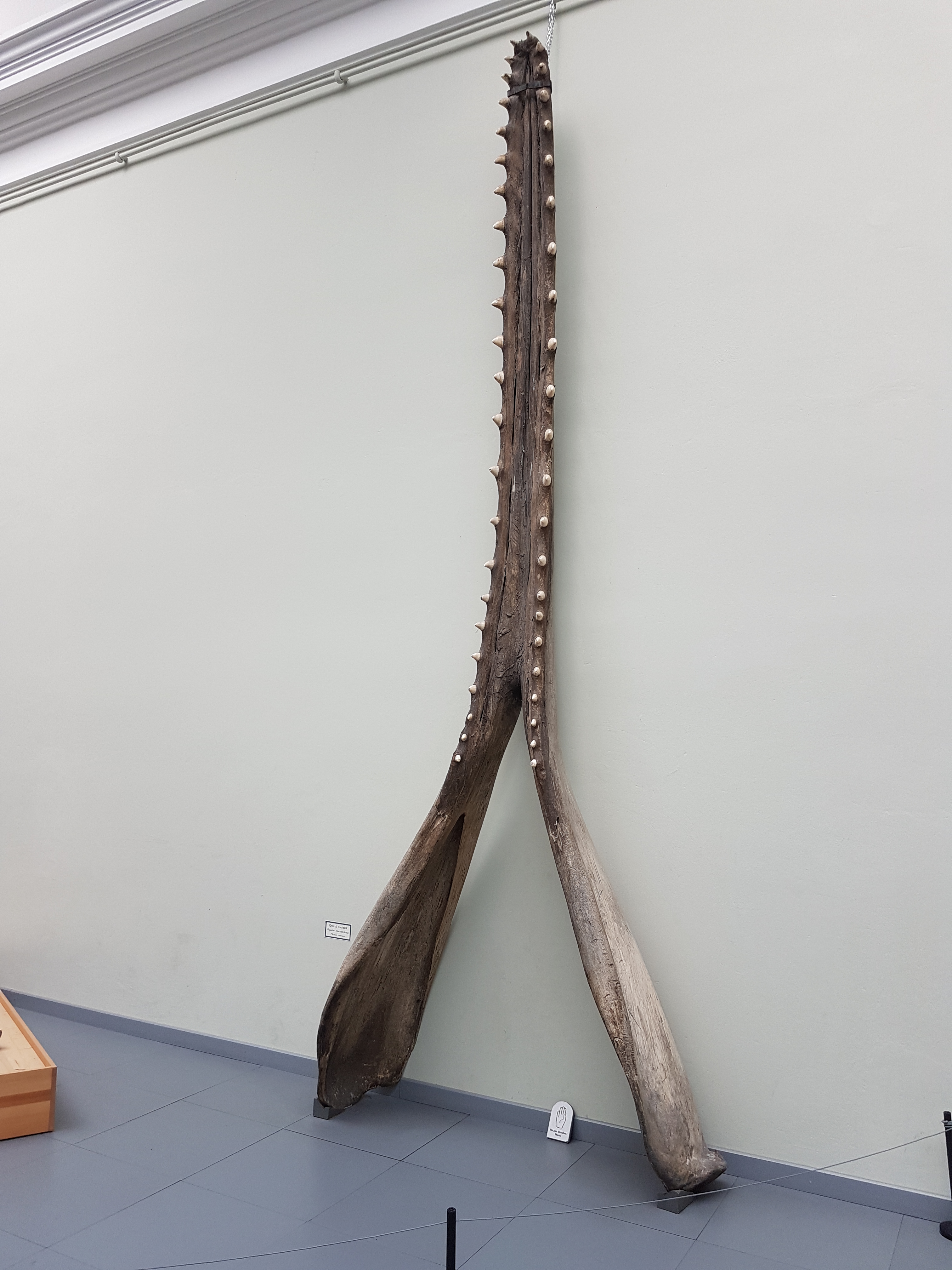
Sperm whale jaw.

Open space with big specimens. A ~4m long great white shark included.

Second zoology hall: bones!

Gorilla standing tall next to human.
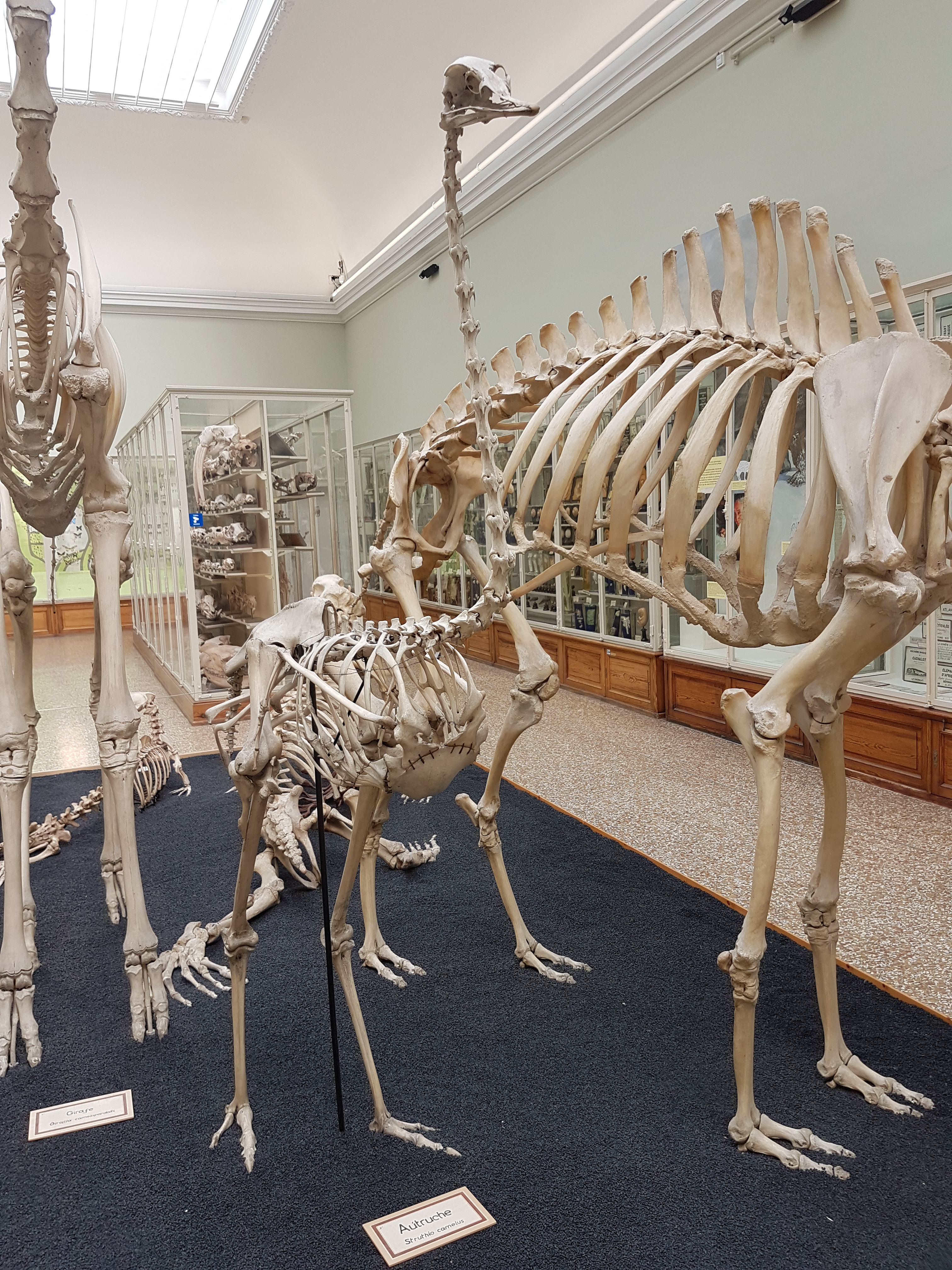
Ostrich skeleton up close, amongst the mammalz.
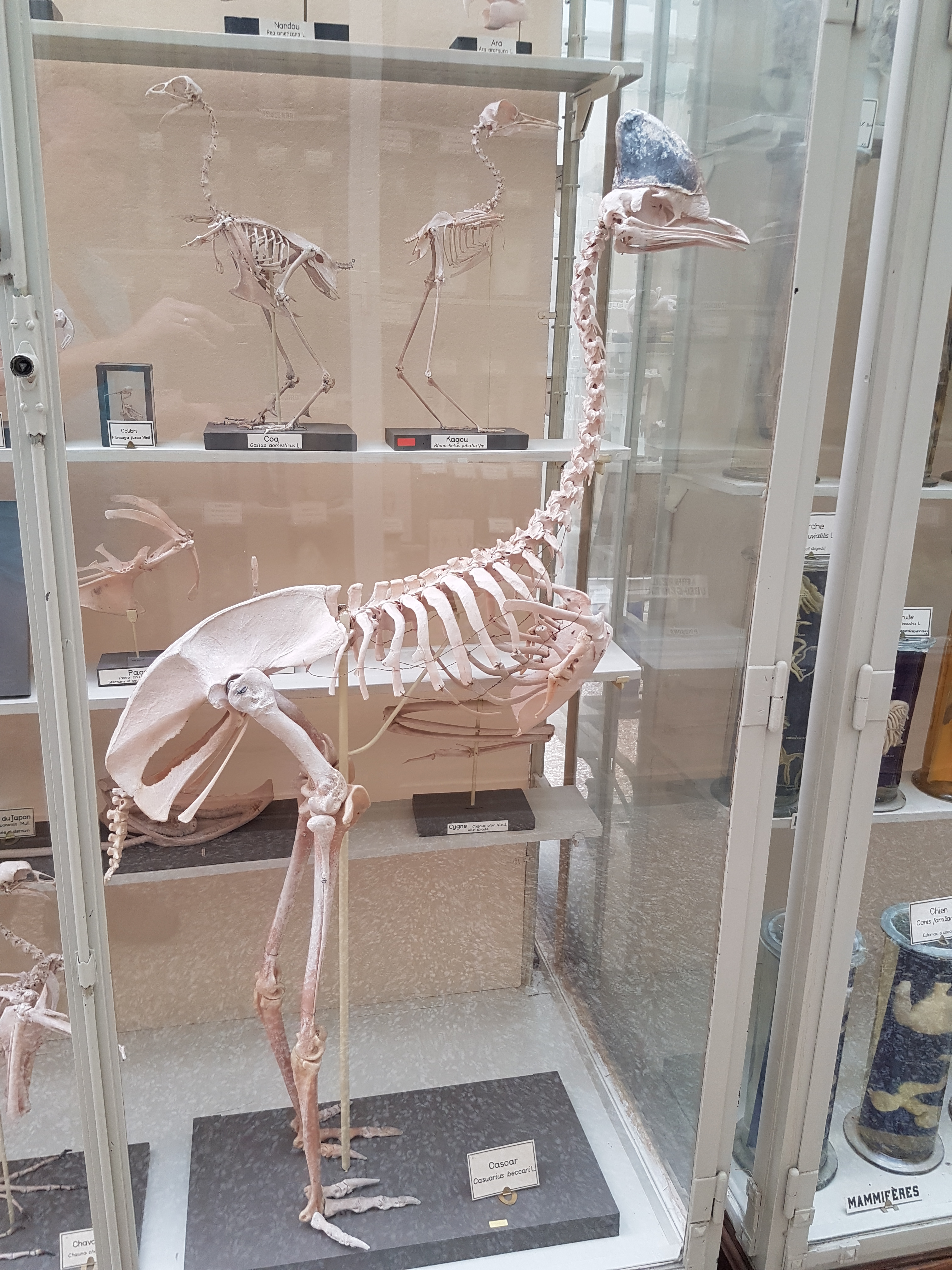
Cassowary skeleton.

Emu shoulder/arm bones in right side view.

Walrus skeleton in what seems like an odd pose to me, but then they are odd on land.

Alligator skeleton in repose.

Giant anteater, “knuckle-walking”.

Pangolin skeleton! And mounted digging into a nest– very well done!
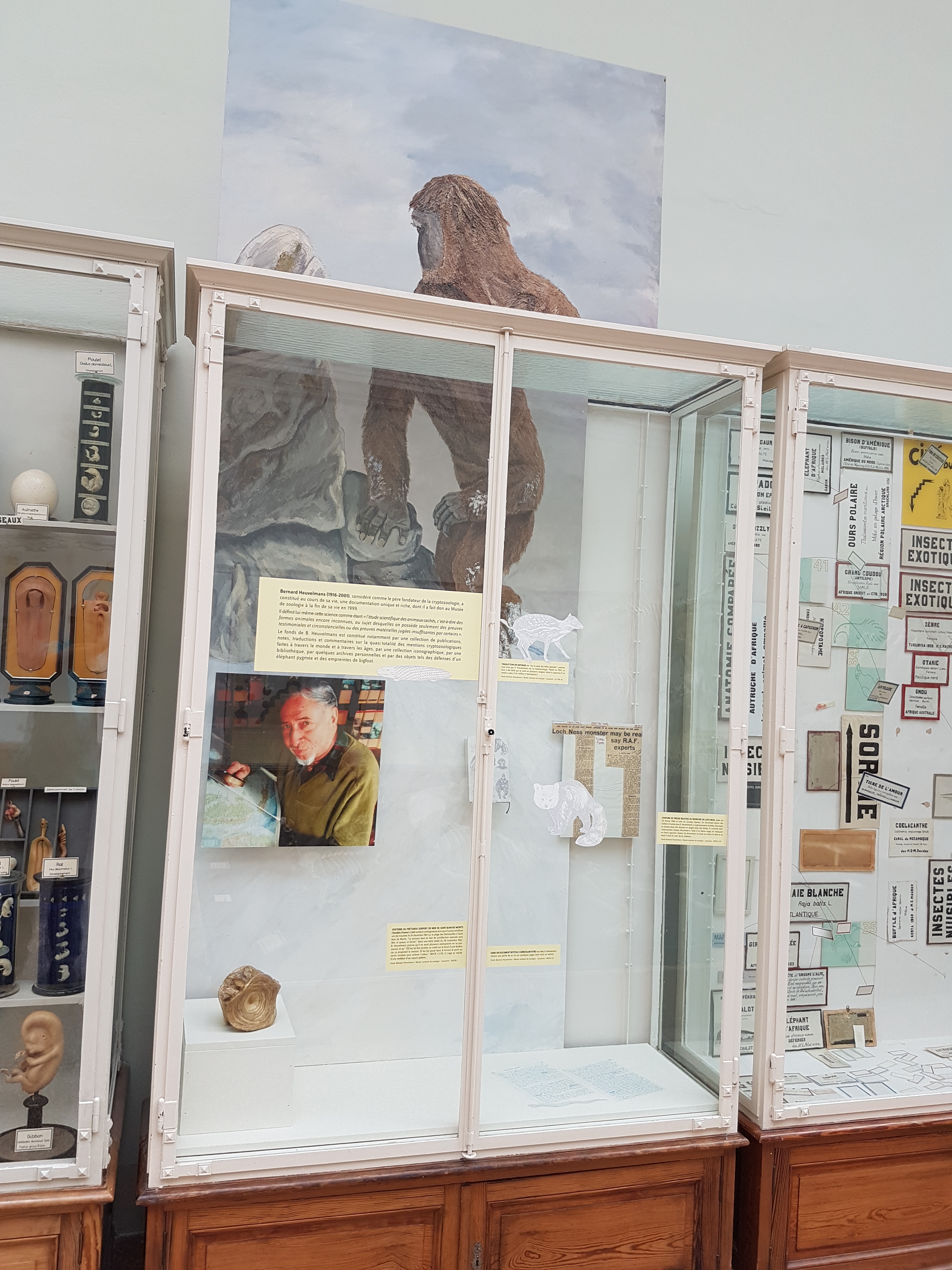
Bernard Heuvelmans display, about the (in)famous cryptozoologist. This was quite a surprise to me. I’m sure I’d read his English-translated book “On the Track of Unknown Animals” as a kid, during my long stint as an avid reader of much zoology, crypto- and otherwise. He bequeathed a lot of his work to the museum.

Bernard’s handwritten CV!? With a “sea serpent” sketch.

A “sea serpent” vertebra… but if you know any anatomy, it’s not a snake’s vertebra at all but a fish’s, such as a basking shark‘s.
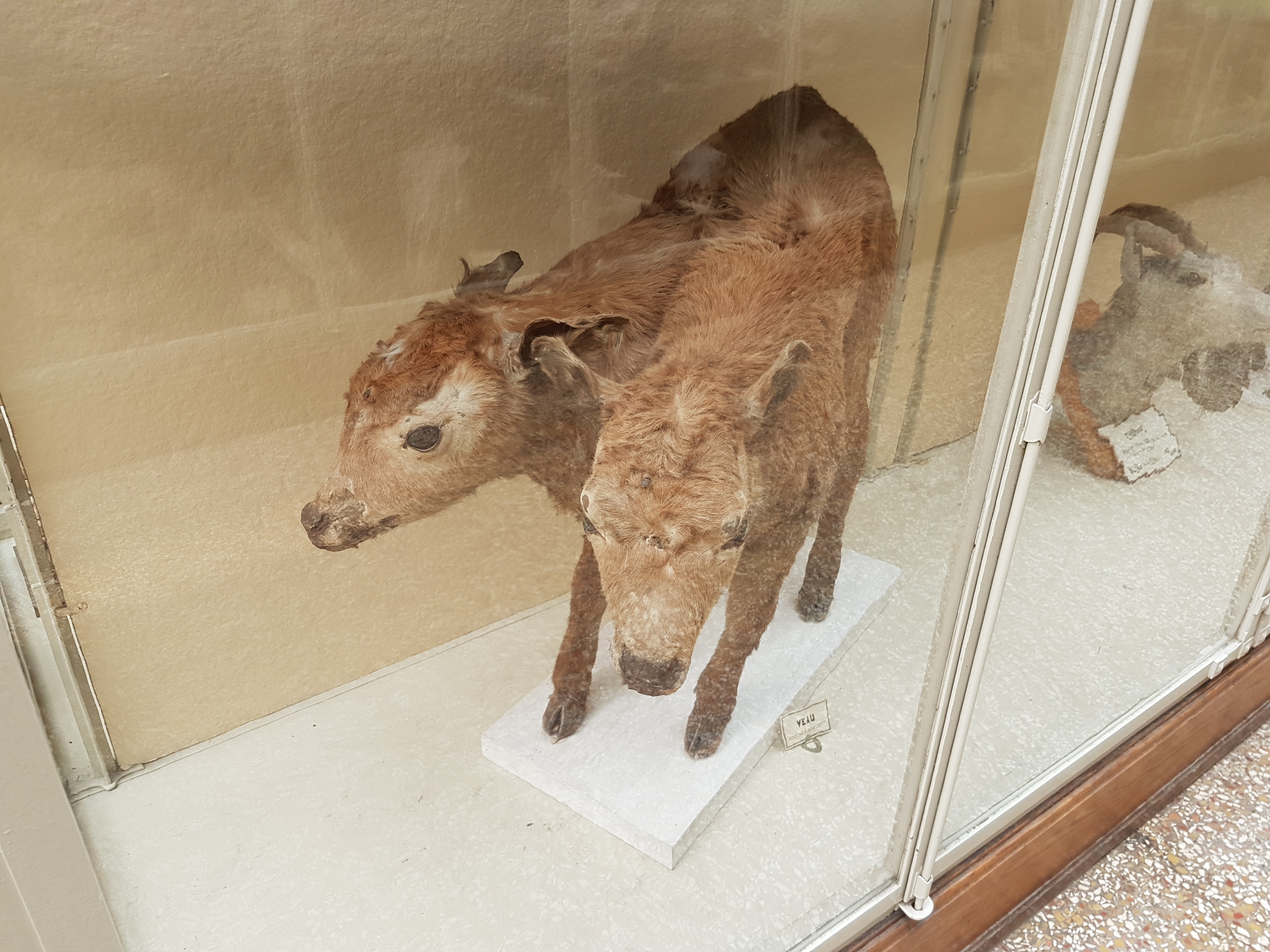
Are you ready for more weirdness? How about some “mutants”- congenital deformities of animals? Fascinating errors of developmental anatomy… somehow this two-headed calf survived awhile. Plenty more where that came from, as follows:

And then there’s all kinds of wonderful comparative anatomy. To be a student of this subject in Lausanne would be a lucky thing, with this museum’s collection at hand. These are valuable specimens, made with love and skill.

Jaws
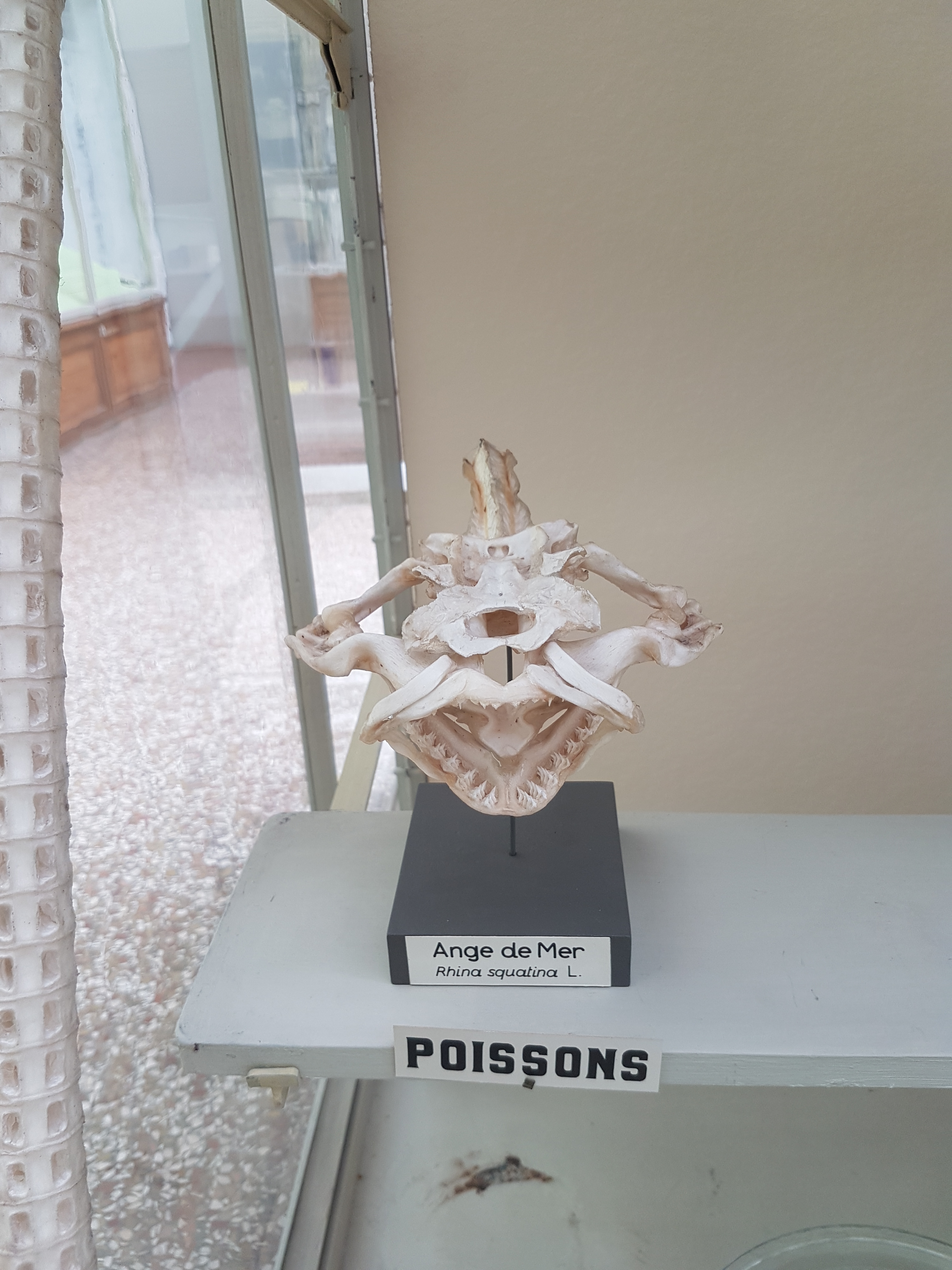
Fish head anatomy. Some vertebrae on the left, too.
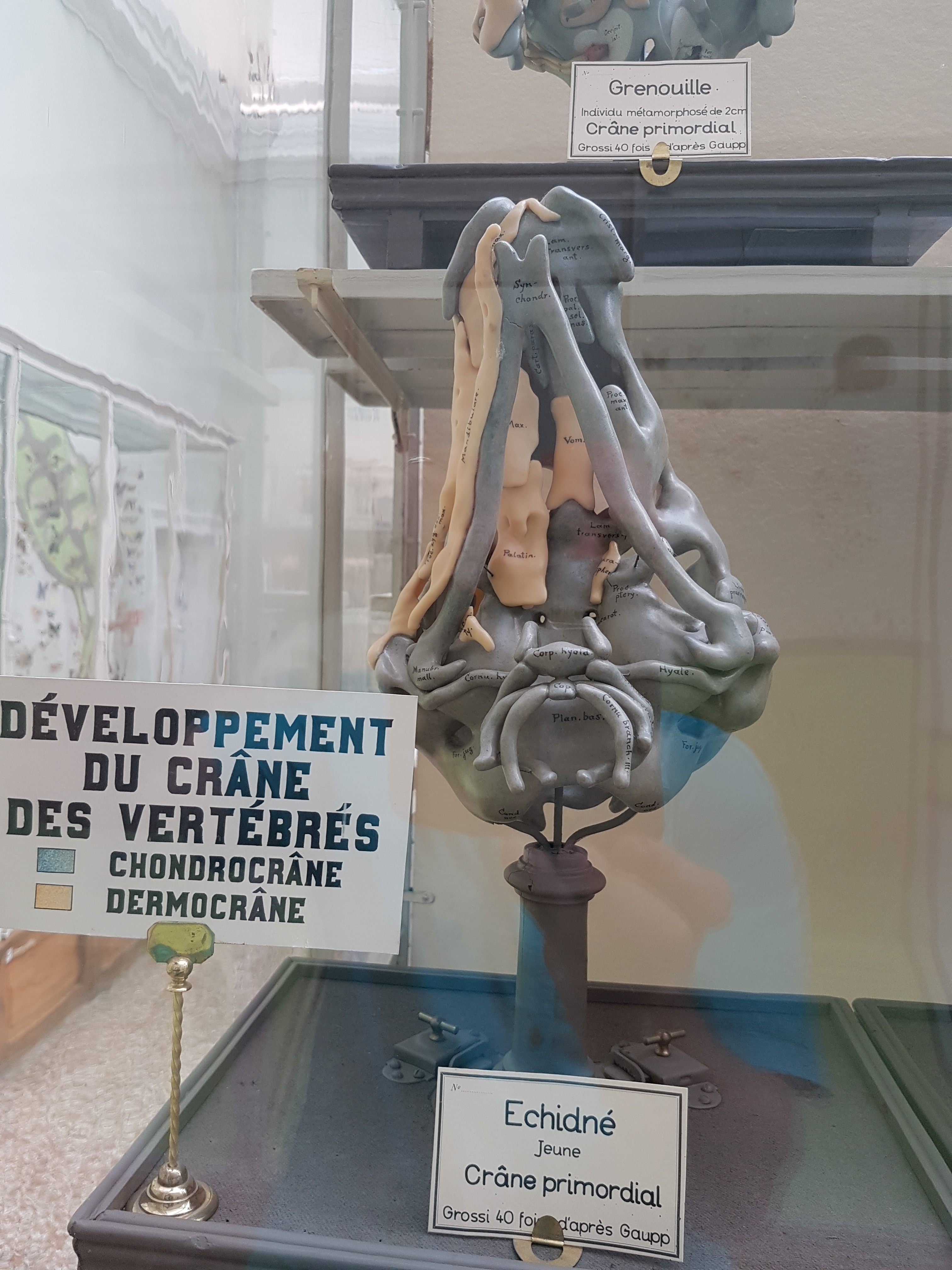
Developmental regions of the head: a lovely wax(?) model of an Echidna skull. A treasure.
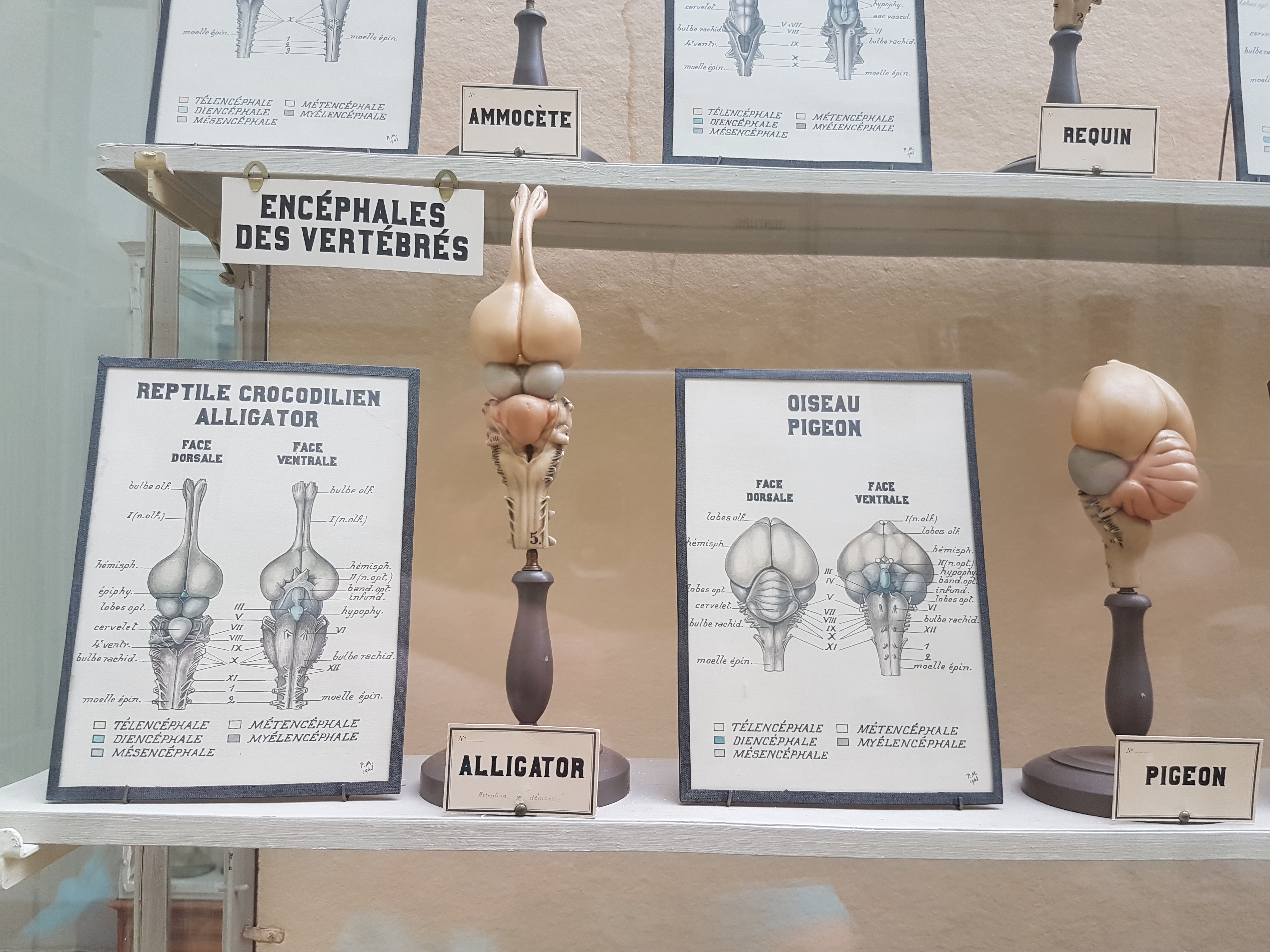
Brains: alligator vs. pigeon.

Salamander muscles.

Pigeon muscles.

More spotted felids than you can shake a jar of catnip at.

Another pangolin!
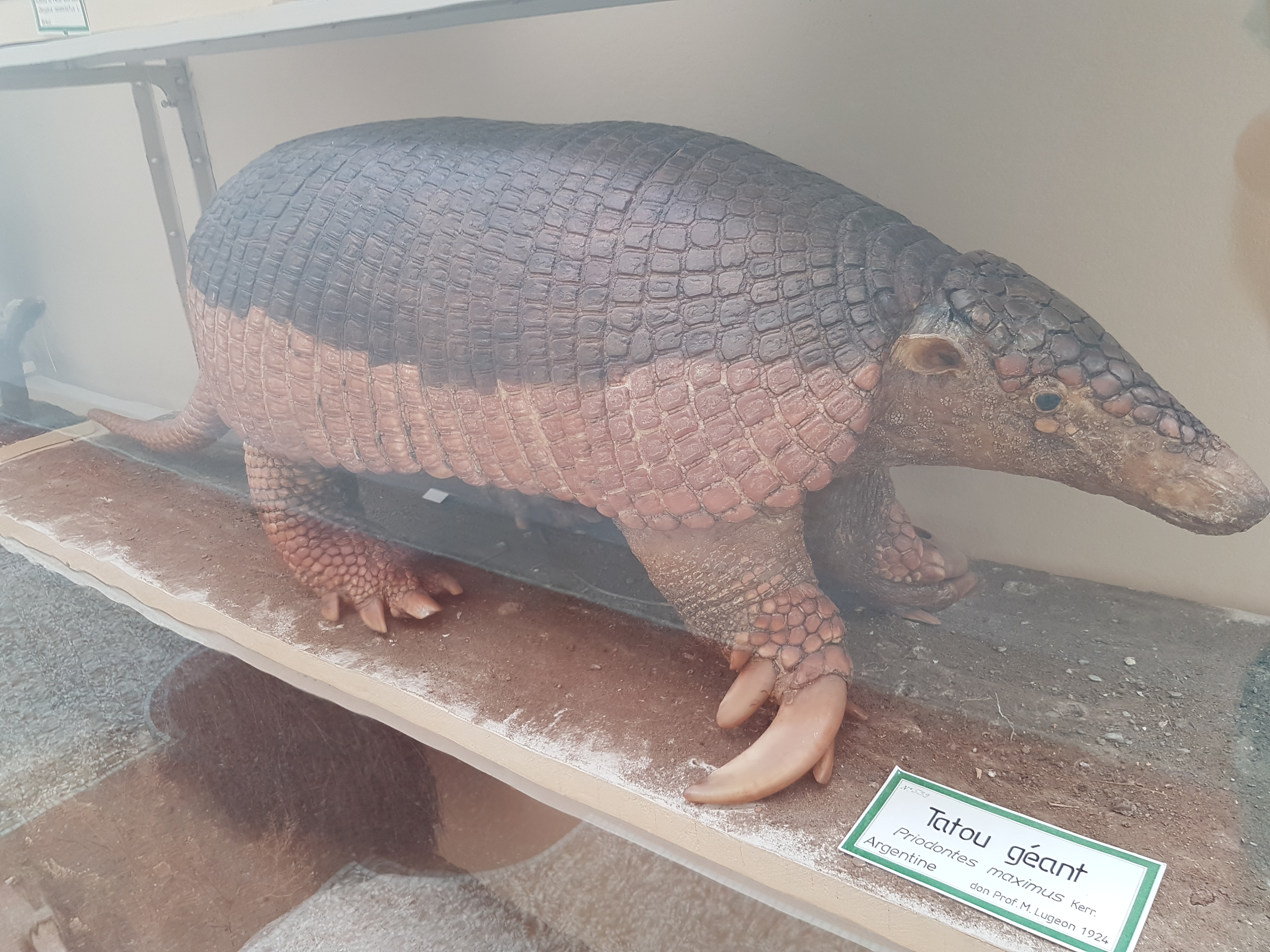
Giant armadillo.

Petaurus: flying phalanger (a gliding marsupial).

Second zoology hall open area: left side.
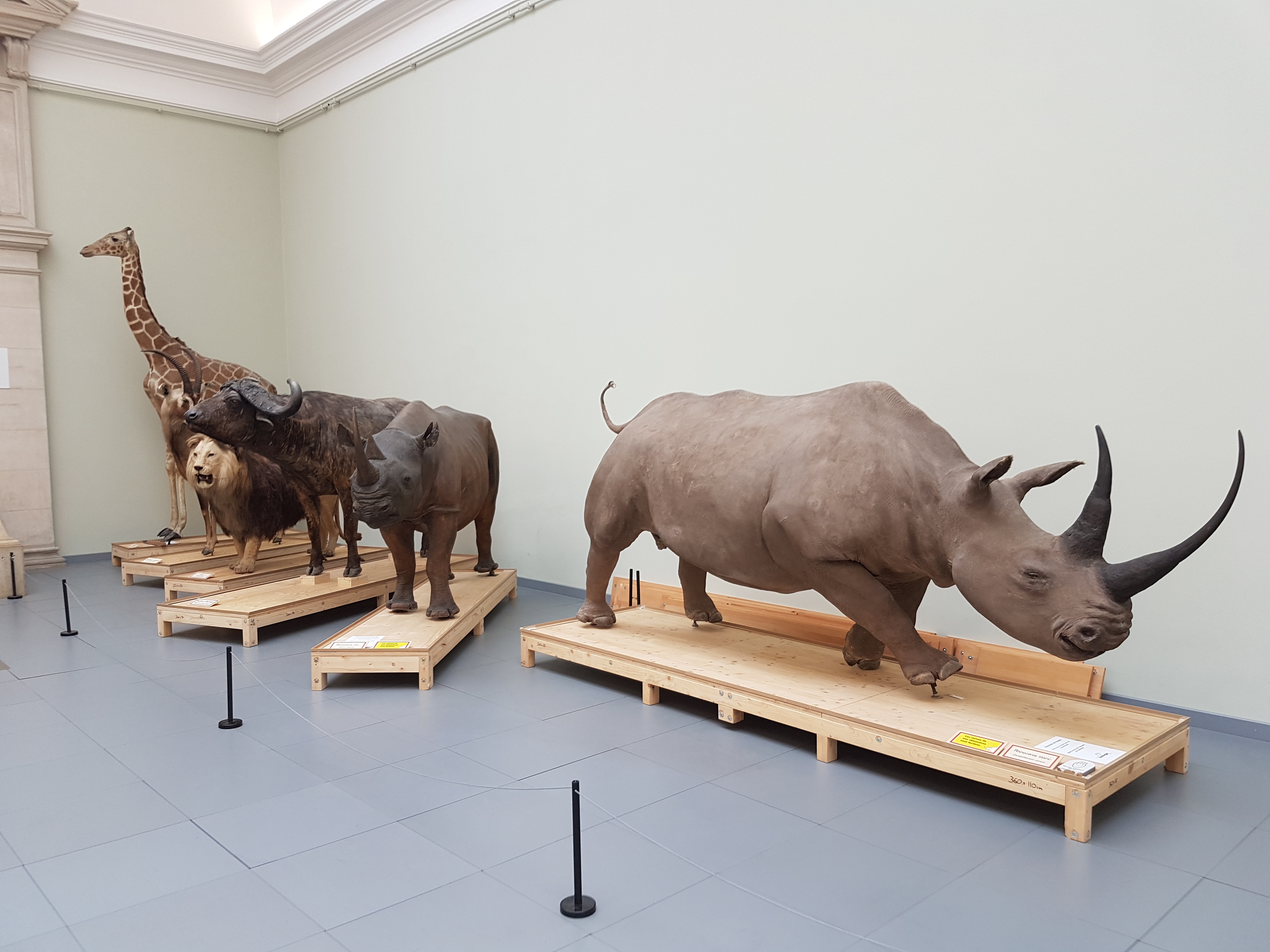
Second zoology hall open area: right side.

A final hall with a more new-fangled display, on the topic of evolution and extinction. Attractive phylogeny graphic here. Birds at the “top”, of course. Poor lowly mammals!
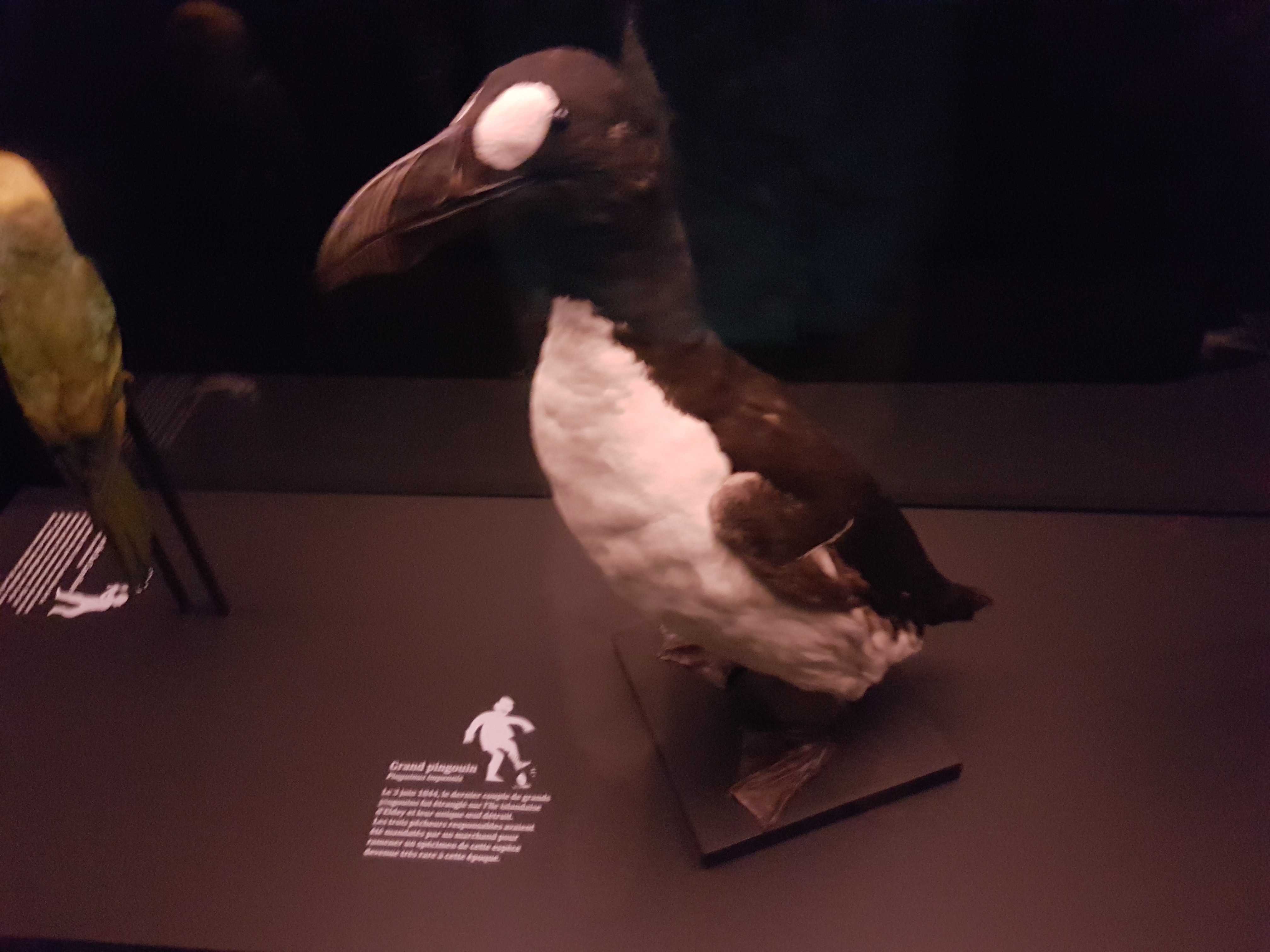
Taxidermied giant auk- not a common sight! (Extinct)
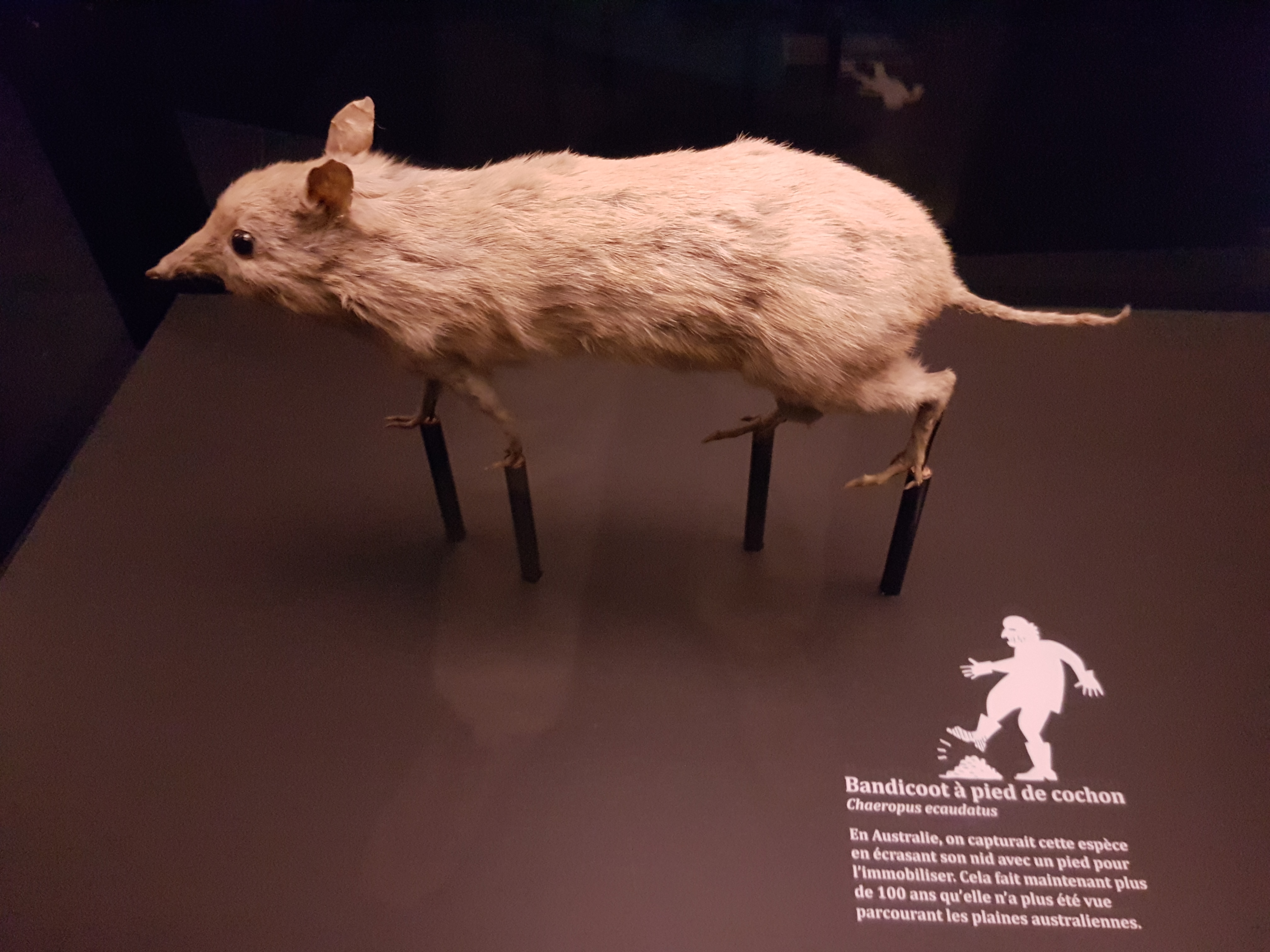
The extinct southern pig-footed bandicoot. Also a rare sight of a whole specimen- in a Swiss museum, too.

NOW ON TO THE FOSSILS!

You’ve been very patient. Here, have a Toblerone.
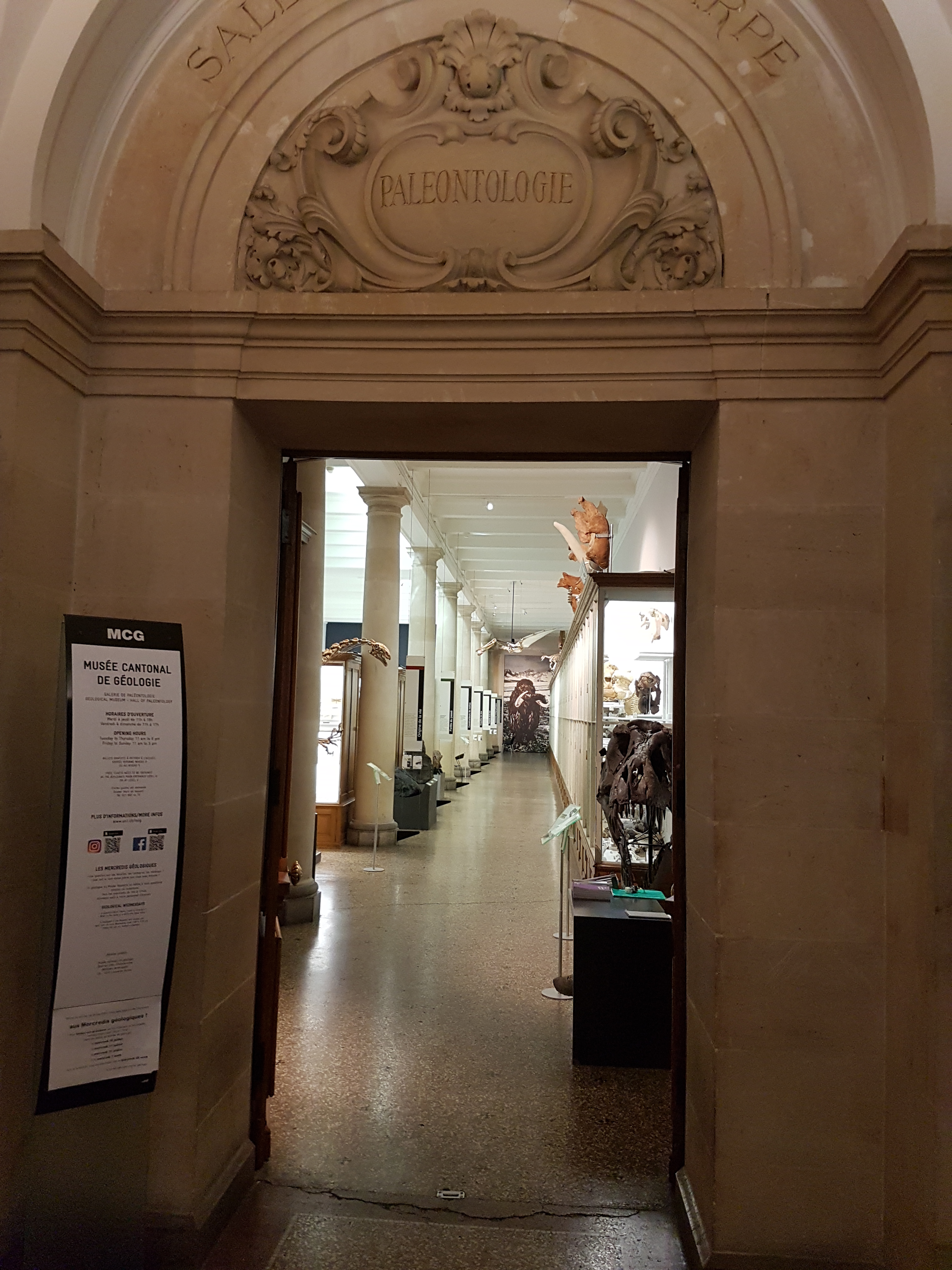
Palaeo museum entry. Already there are cool things visible. Inside, we find it just like I prefer my zoo/palaeo museums (as above): stuffed with specimens and leaving plenty for you to wonder about and investigate. Not frilly; a well-stocked museum that mostly lets its specimens speak for themselves.
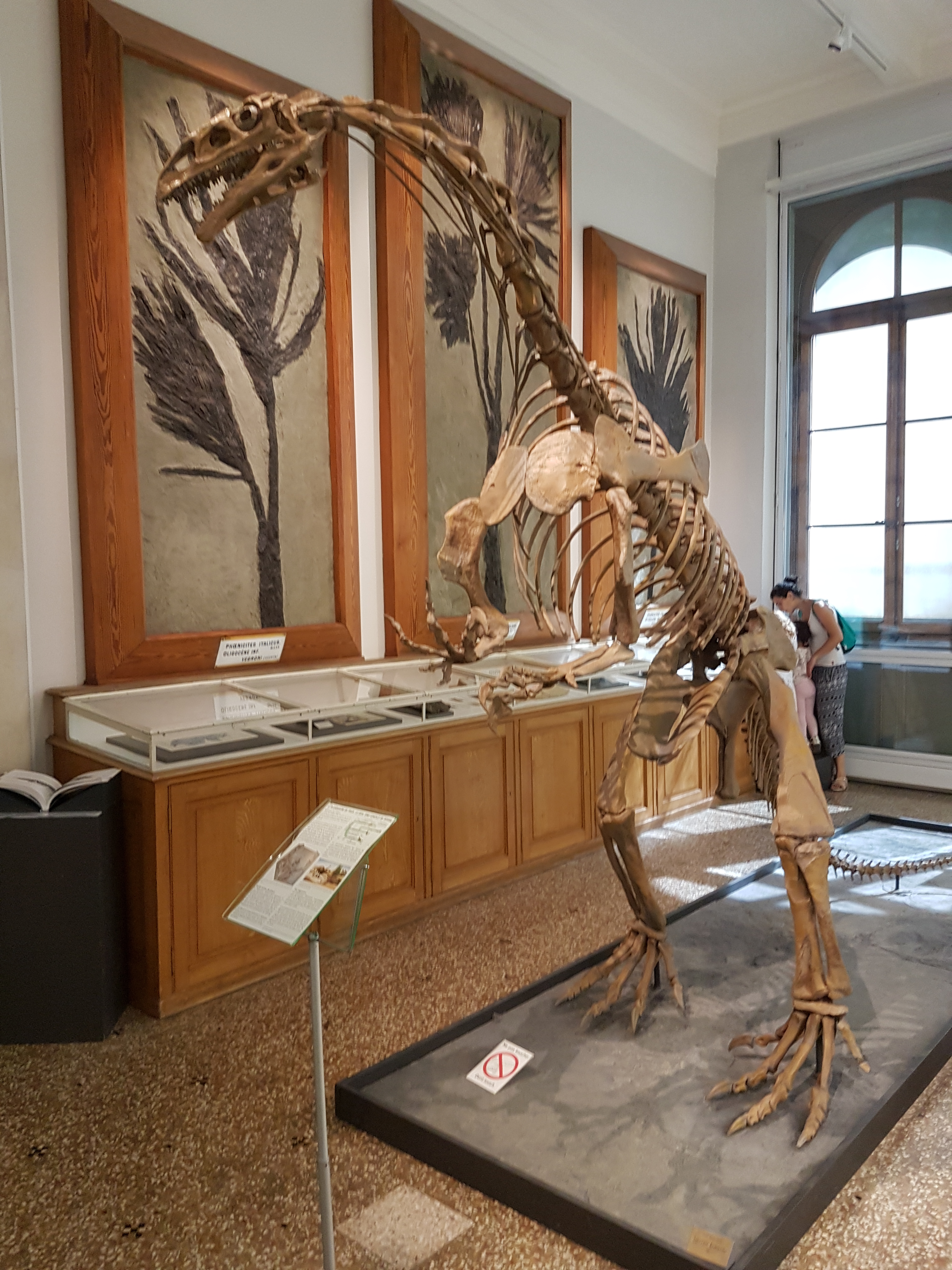
Sauriermuseum (Aathal) specimen of Plateosaurus: sculpt/cast. A very good, big skeleton of this common dinosaur, rearing up.
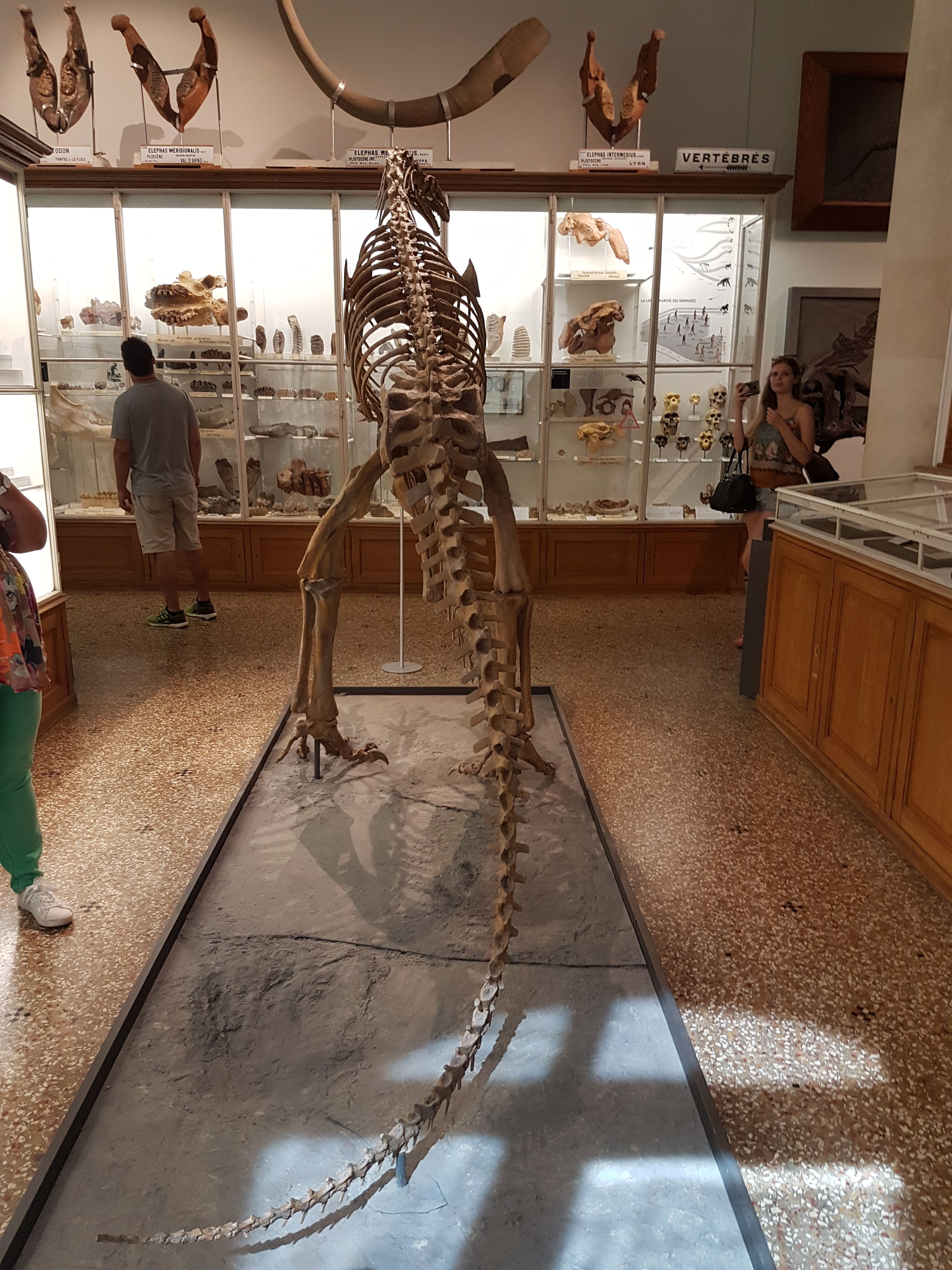
Rear view of same.

Real bones of same; vertebrae and pelvic (this is the “Frick specimen”).
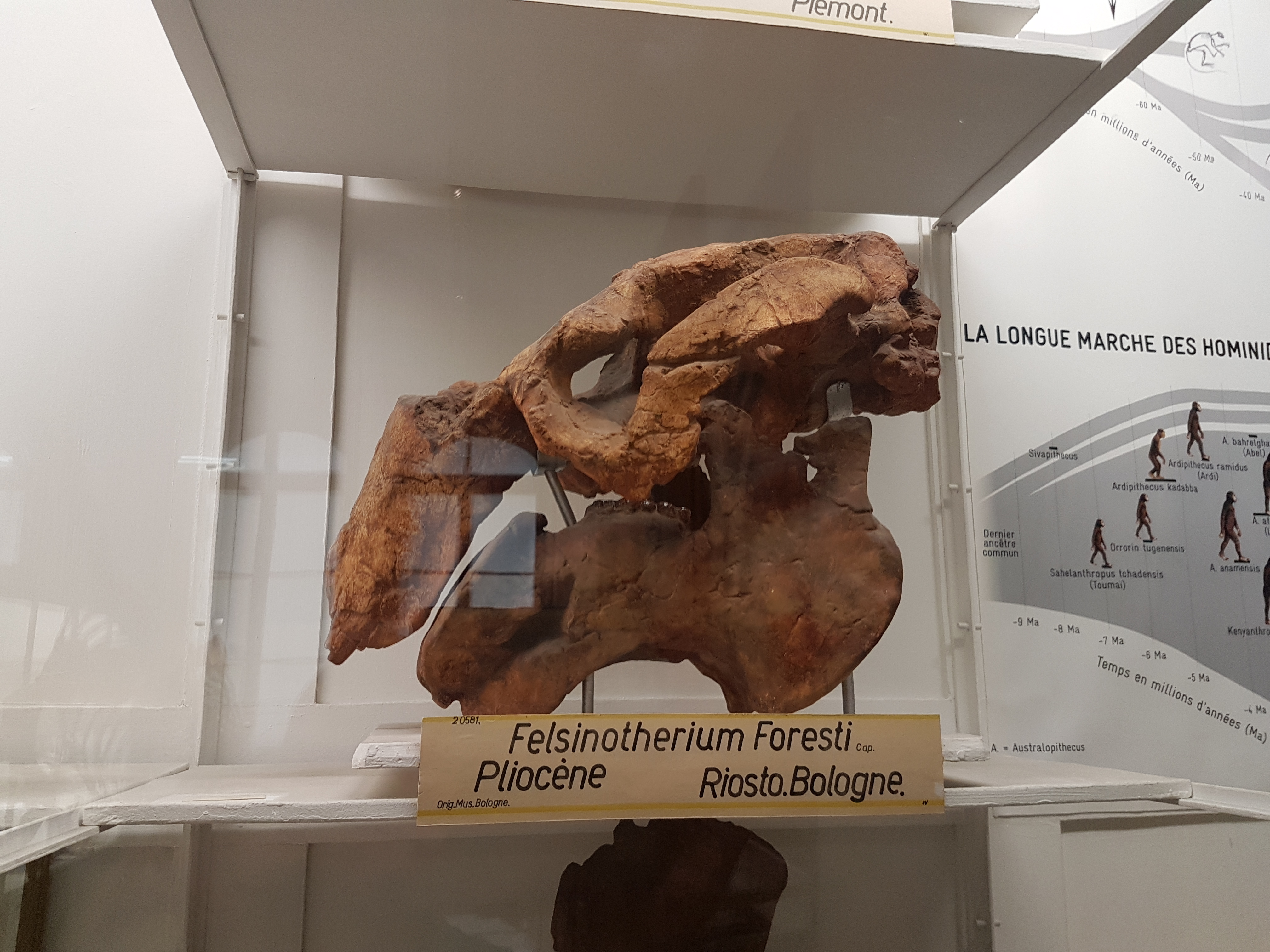
Metaxytherium (current name), an ancient and large fossil dugong/seacow. Skull is in left side view. (that may help, as their skulls are odd!)

Anthracotherium upper jaw: ancient hippo-cousin.

Prolagus: the “Sardinian hare” (recently extinct; old lineage).

Potamotherium: to some an early otter-like mammal, more recently thought to be an ancient seal.
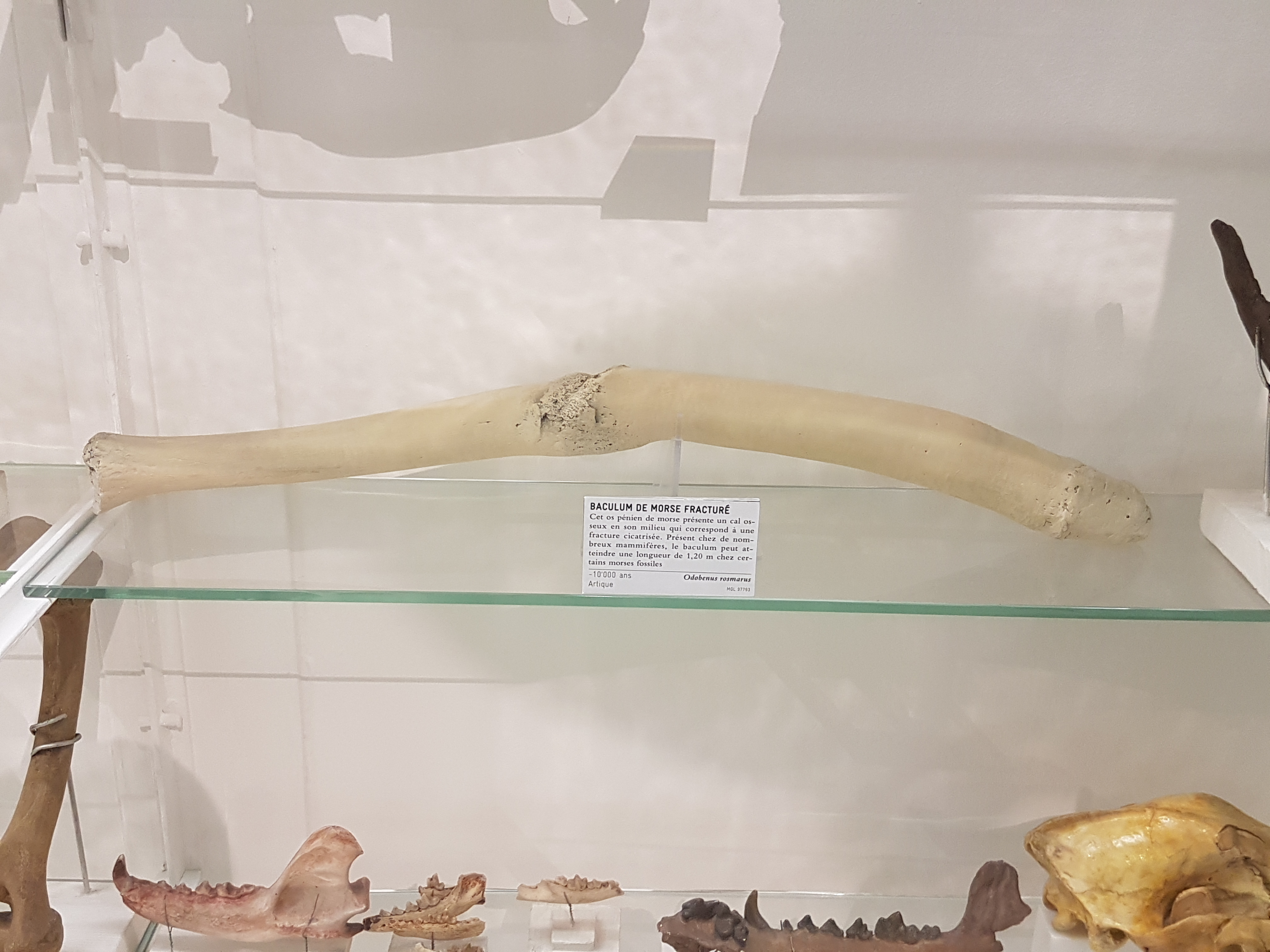
“Broke-ulum”: a walrus broke its penis bone (baculum) and was surely not pleased about it, but lived to heal— physically if not mentally. Yeesh!
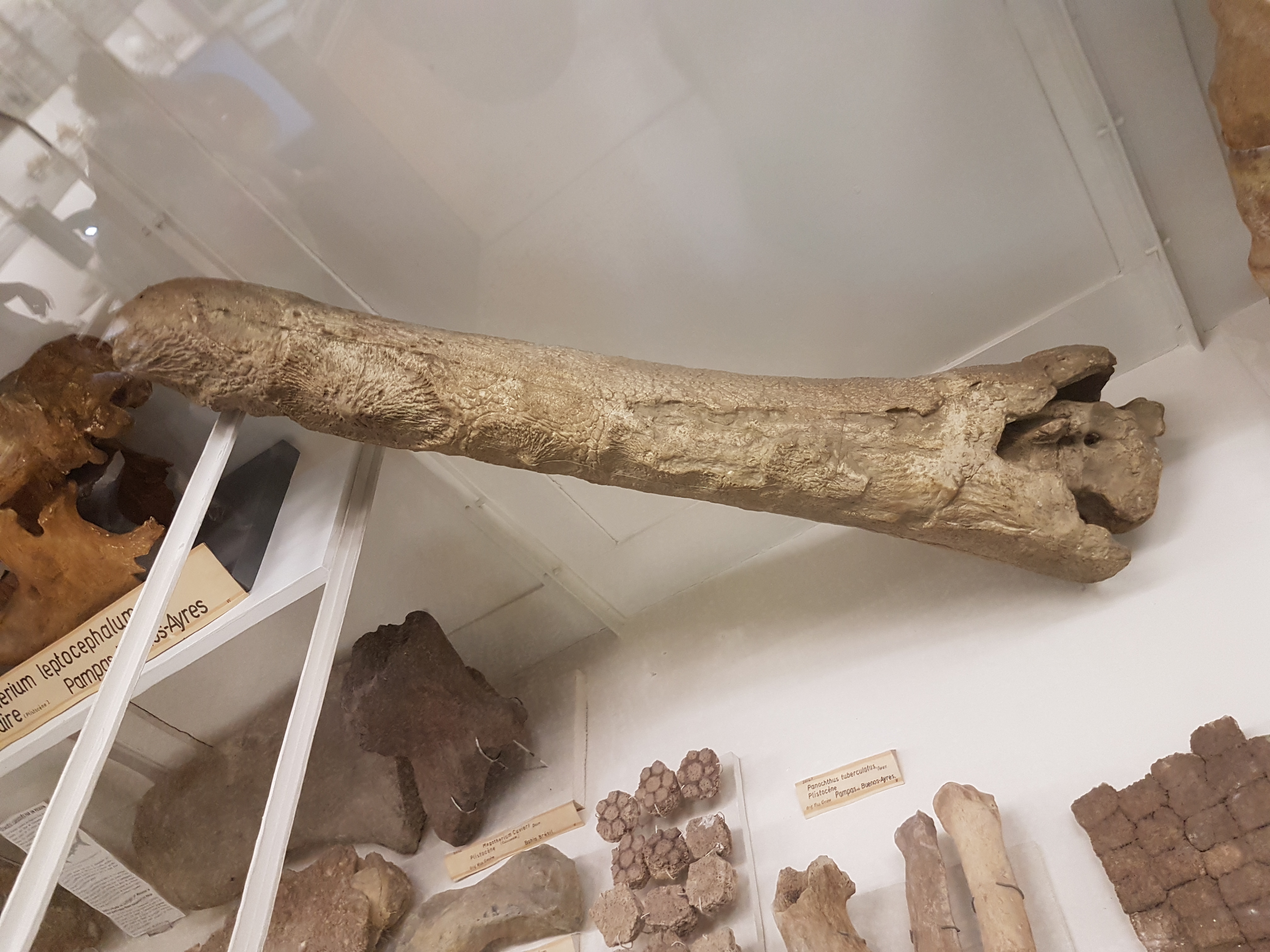
Glyptodont tail club and armour.
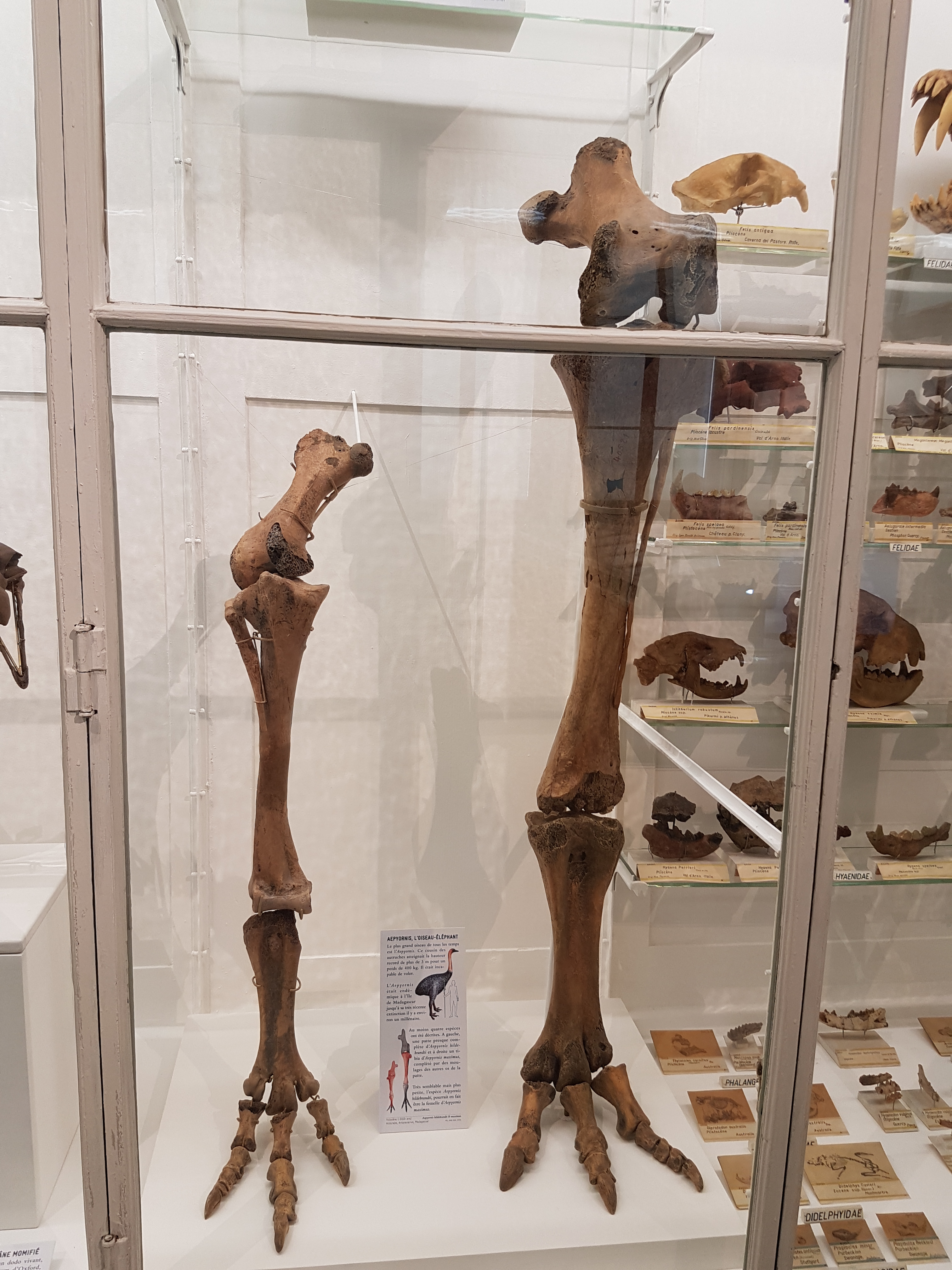
Aepyornis elephant bird legs!
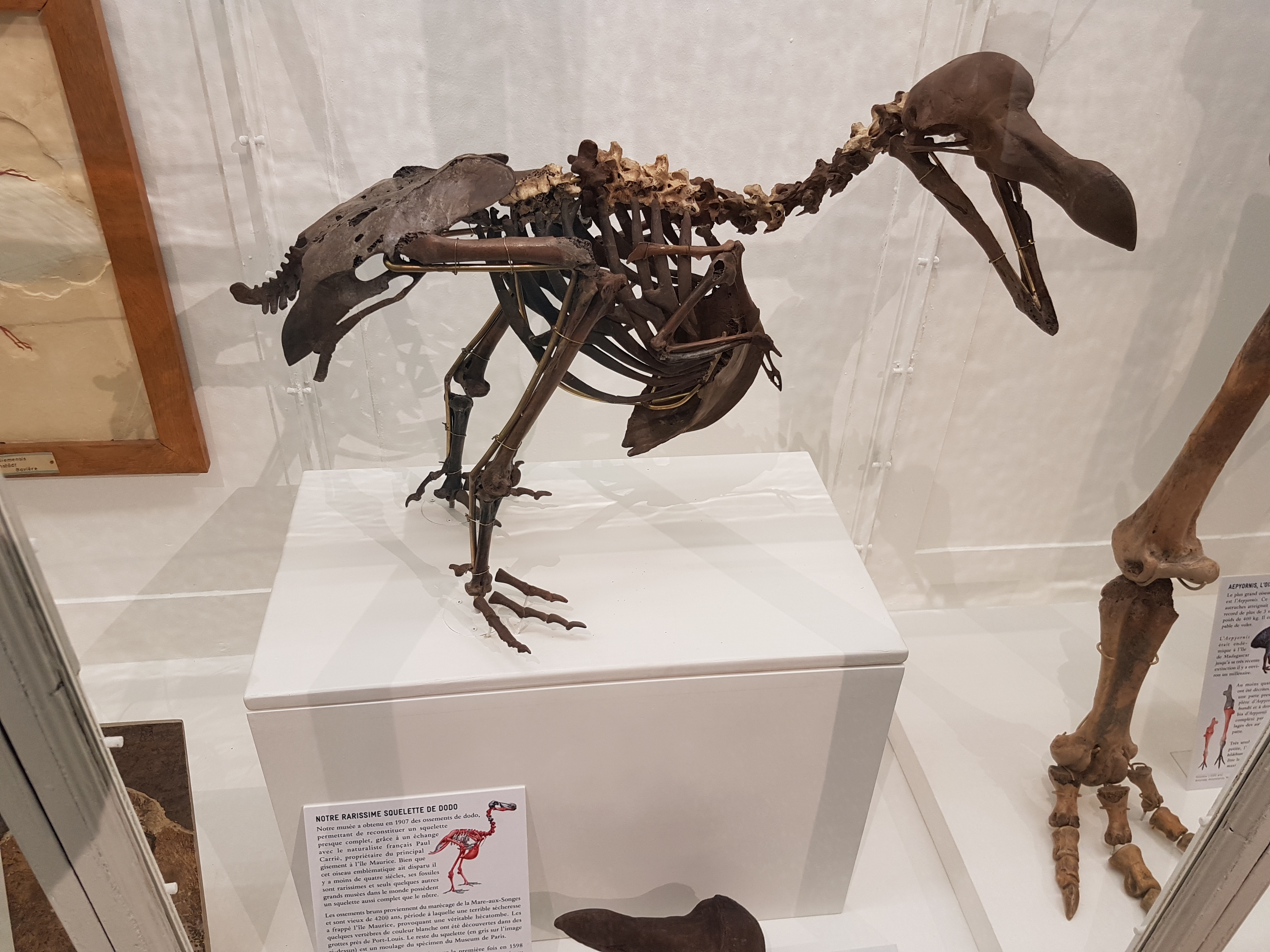
A partial/reconstructed skeleton of the dodo.

Velociraptor preparing to pounce from above. It’s too late for you!
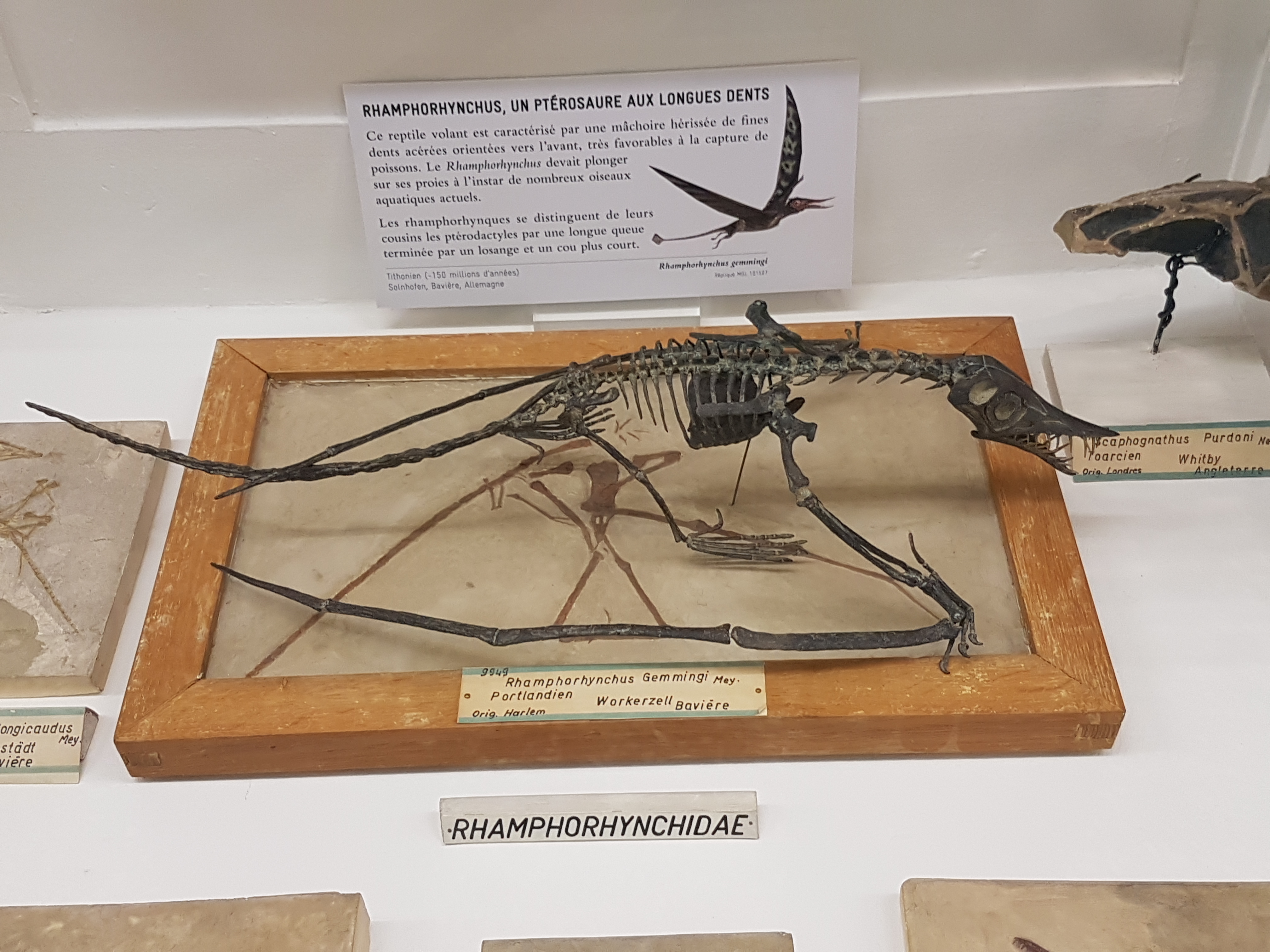
Rhamphorhynchus fossil (2D slab) and sculpt/cast coming alive in 3D– good stuff.

Anhanguera pterosaur watches the chaos from above, fish snagged in its teeth.
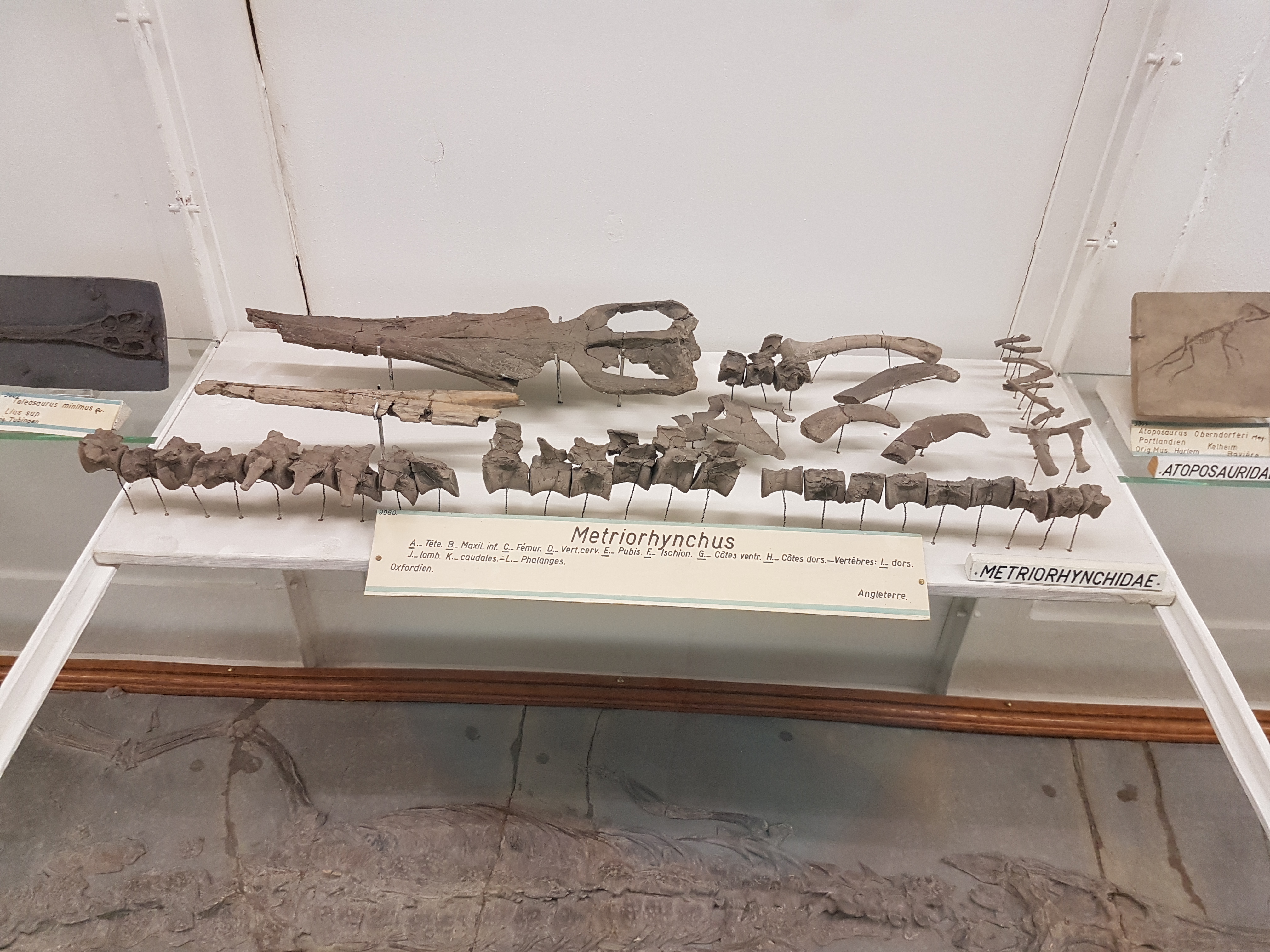
Not-shabby metriorhynchid marine croc fossils, from Britain.

Lovely 3D plesiosaur bones (flippers, neck, etc.) from near RVC: Peterborough!

Mesosaur; early reptile.
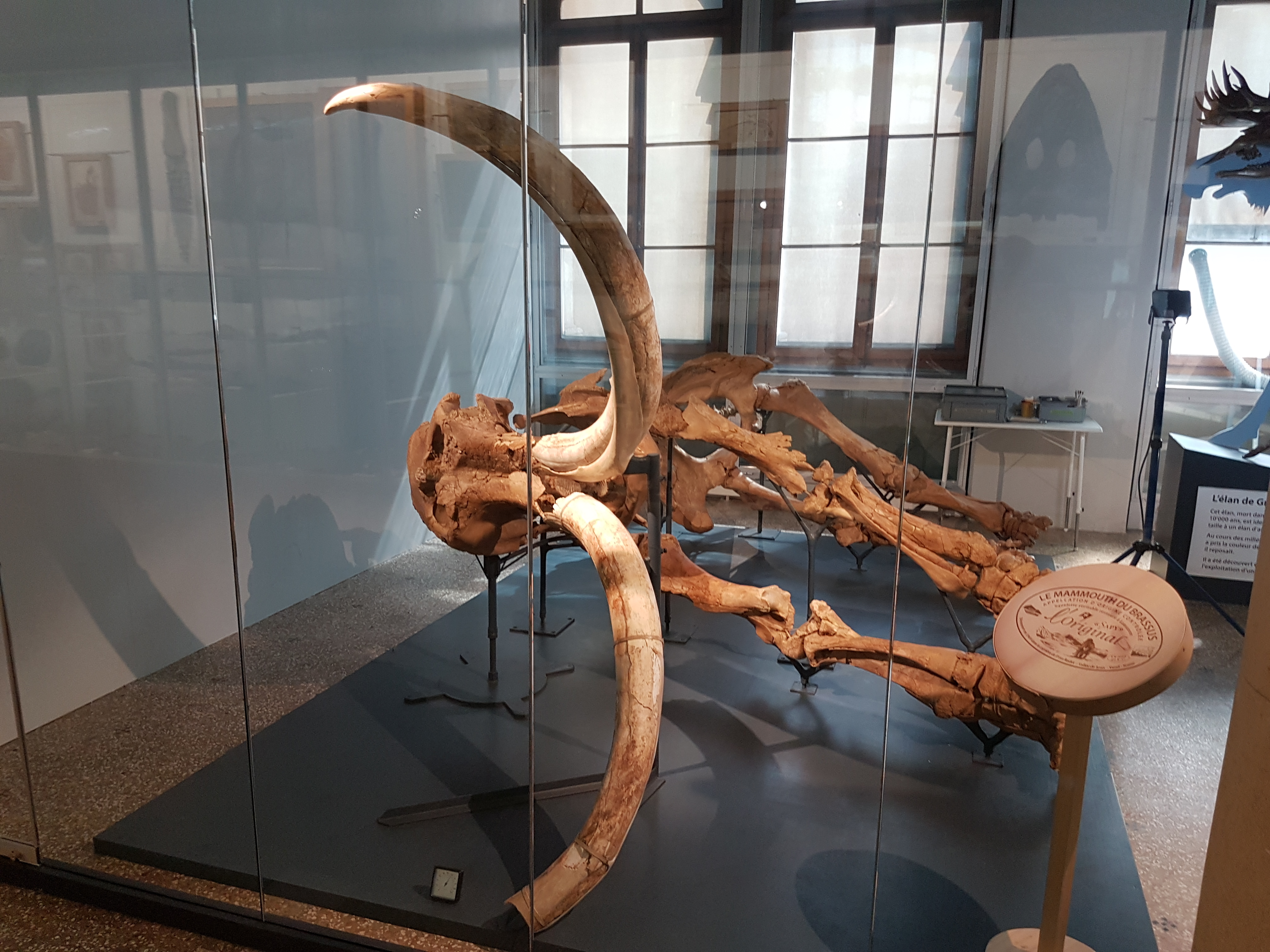
The museum clearly is proud of its excellent “Mammoth of Brassus” skeleton, essentially complete.
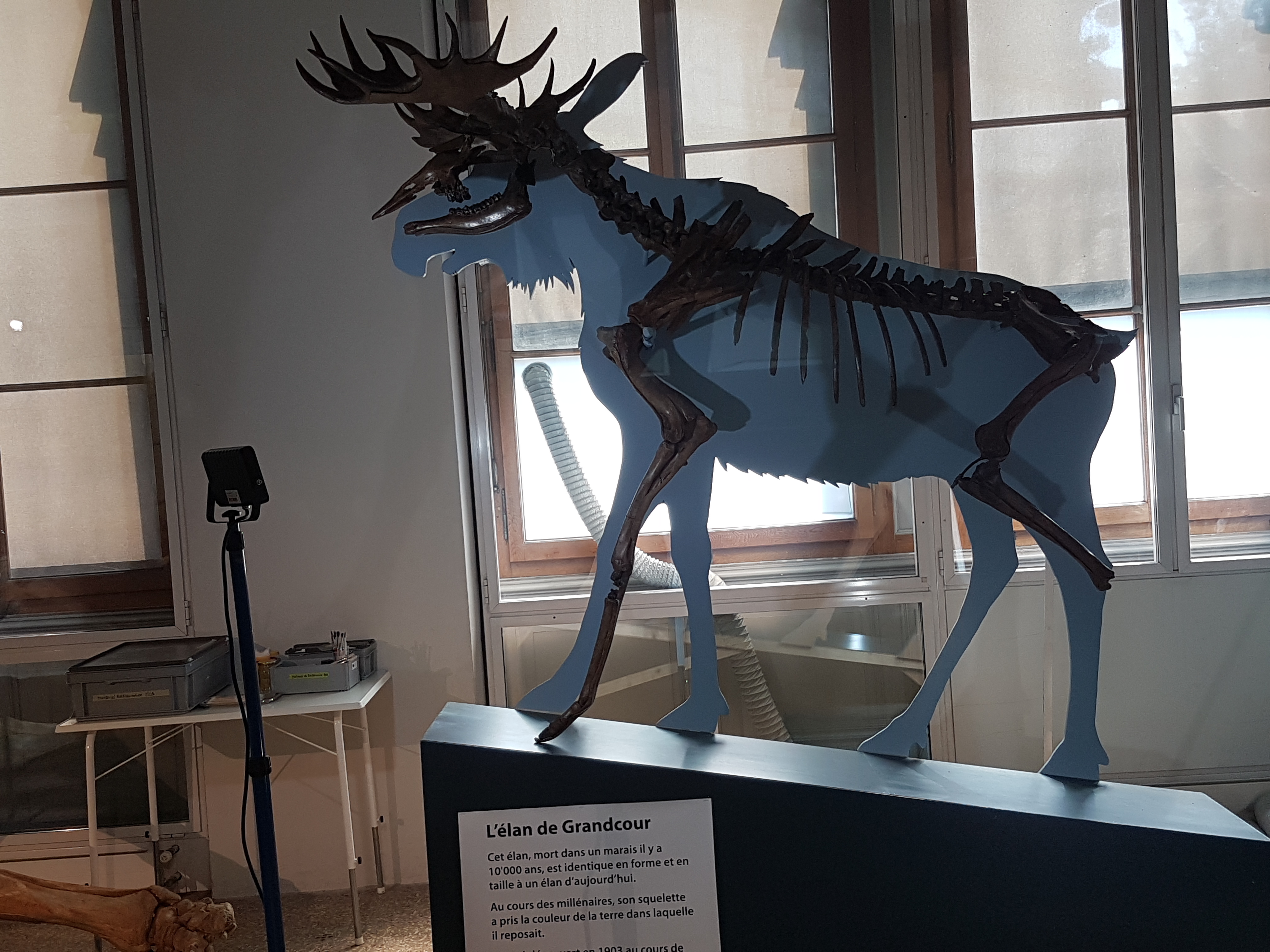
Ice Age elk/moose, a 10,000 year old skeleton in fine shape.

Cave bear skull rawr

Purty ammonites!
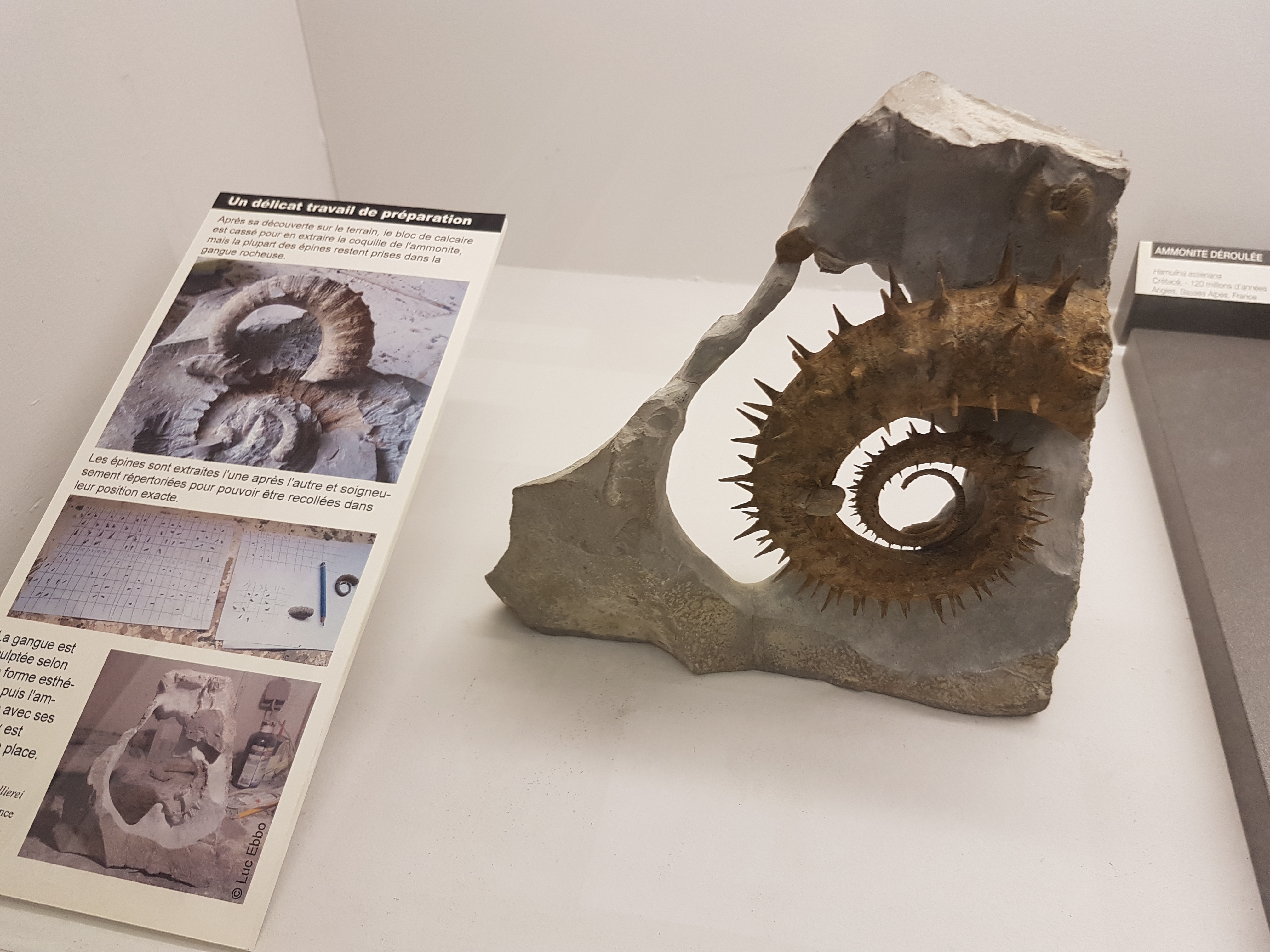
Spiky ammonite!
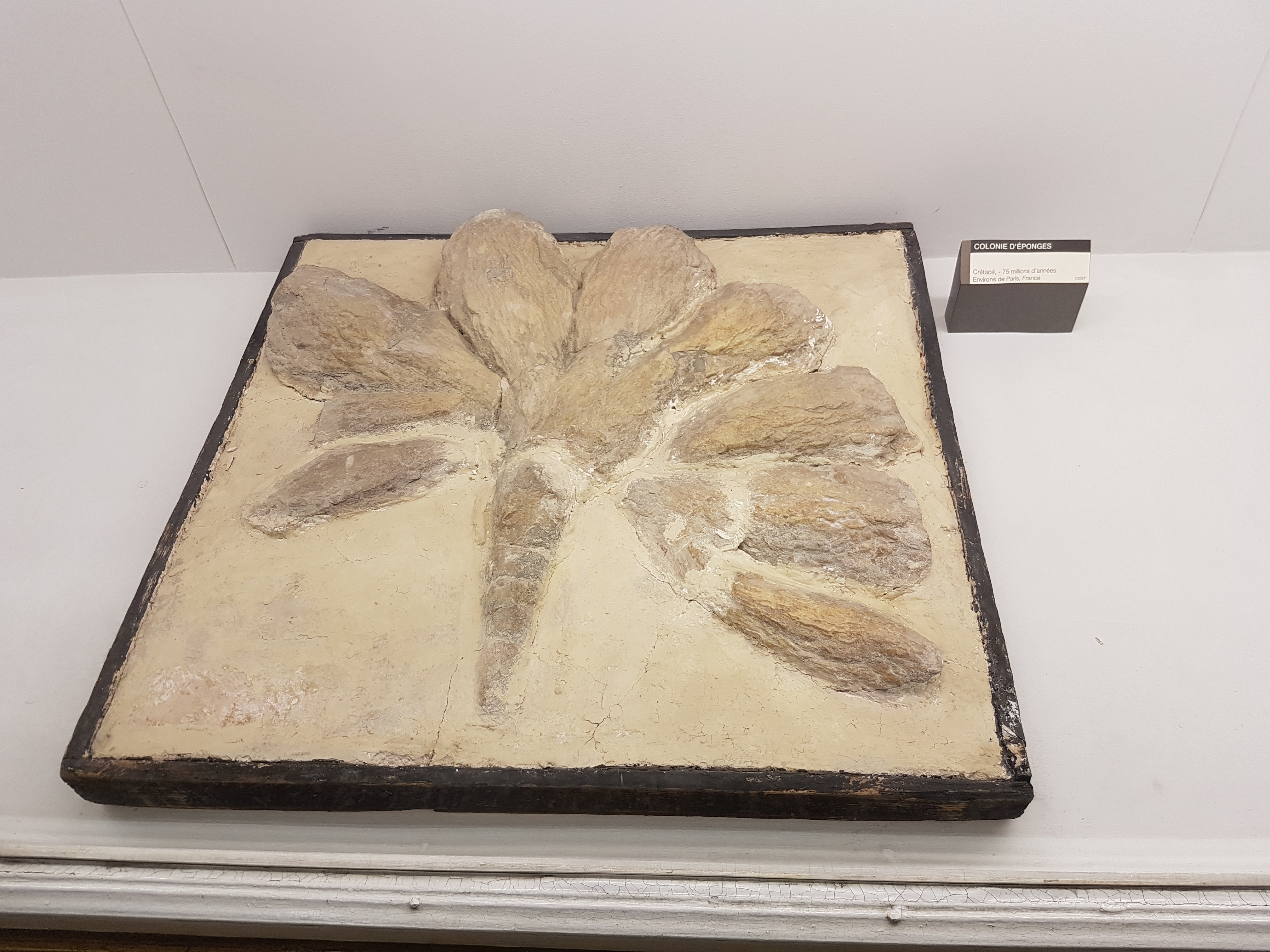
Cretaceous sponge colony from France. I hadn’t seen something like this before, so here it is.
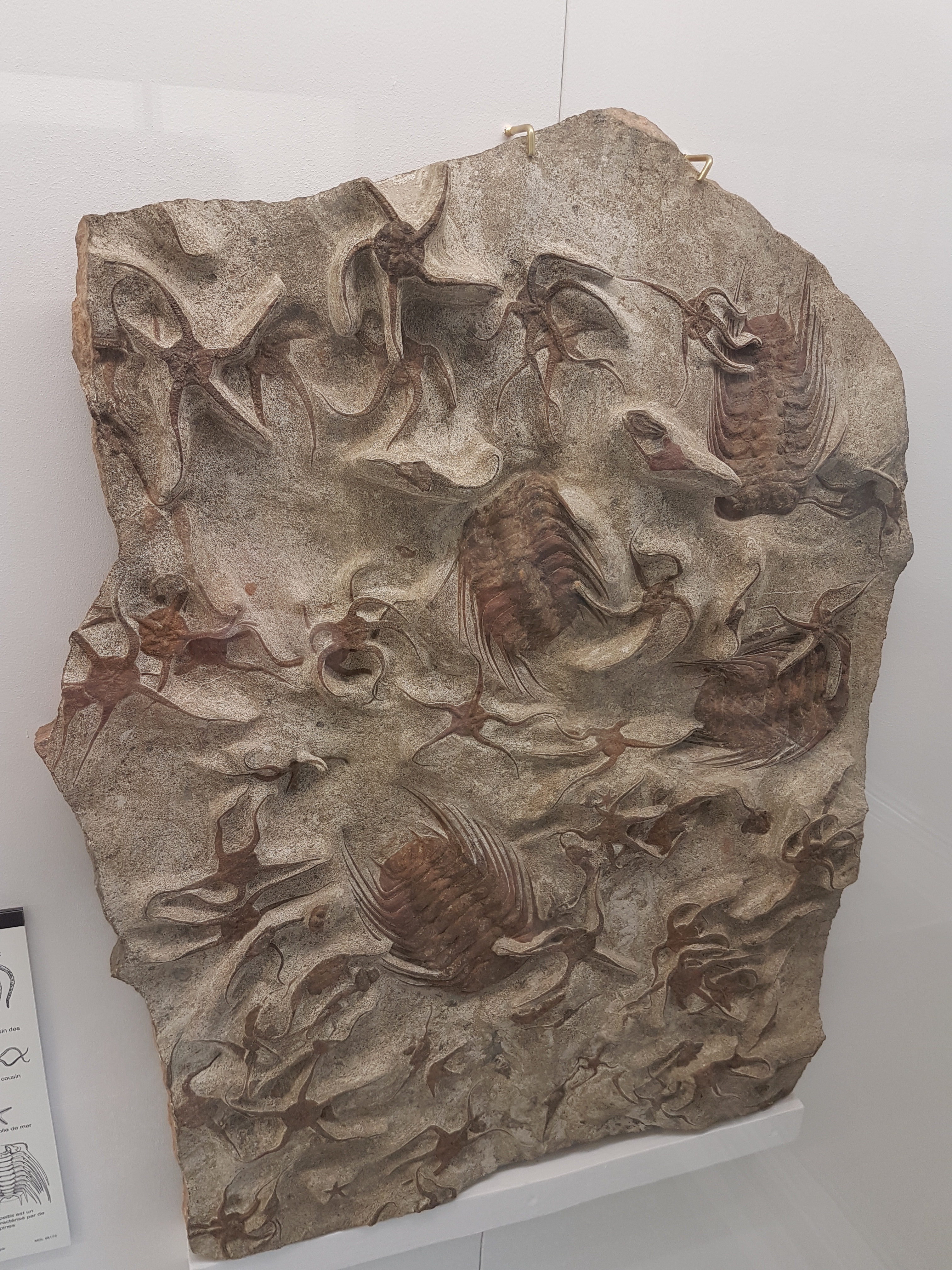
Trilobites, brittlestars and friends.

Well I did wander through the geology and archaeology museums too, and while I liked them I did not take so many photos. My non-human organismal bias is apparent. But check these final ones out:
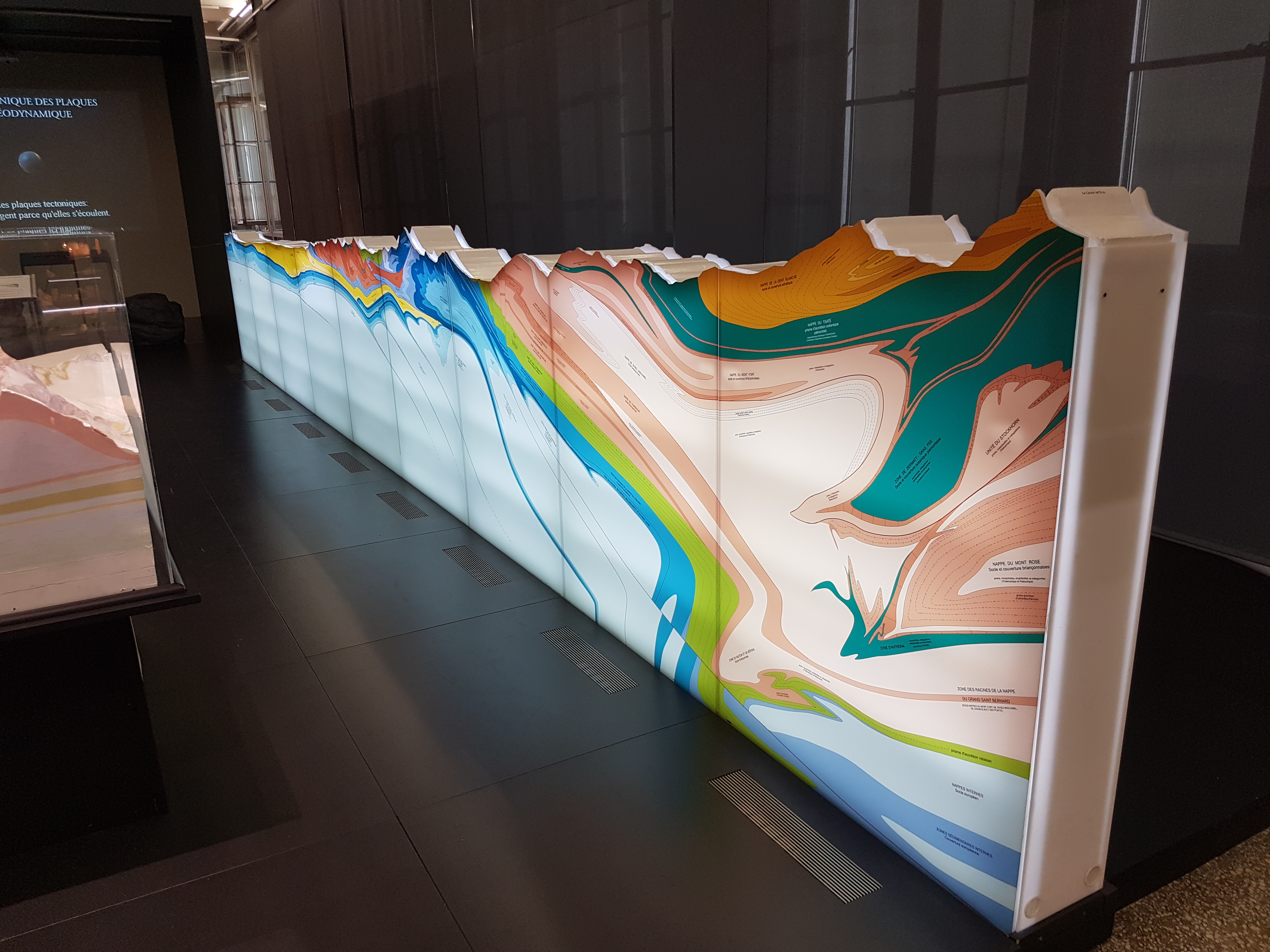
Splendid cross-section of the stratigraphy of the Alps around Lausanne. I gazed at this for quite a few minutes, trying to figure out what was where in the landscape I’d seen and how old, how deformed, etc.
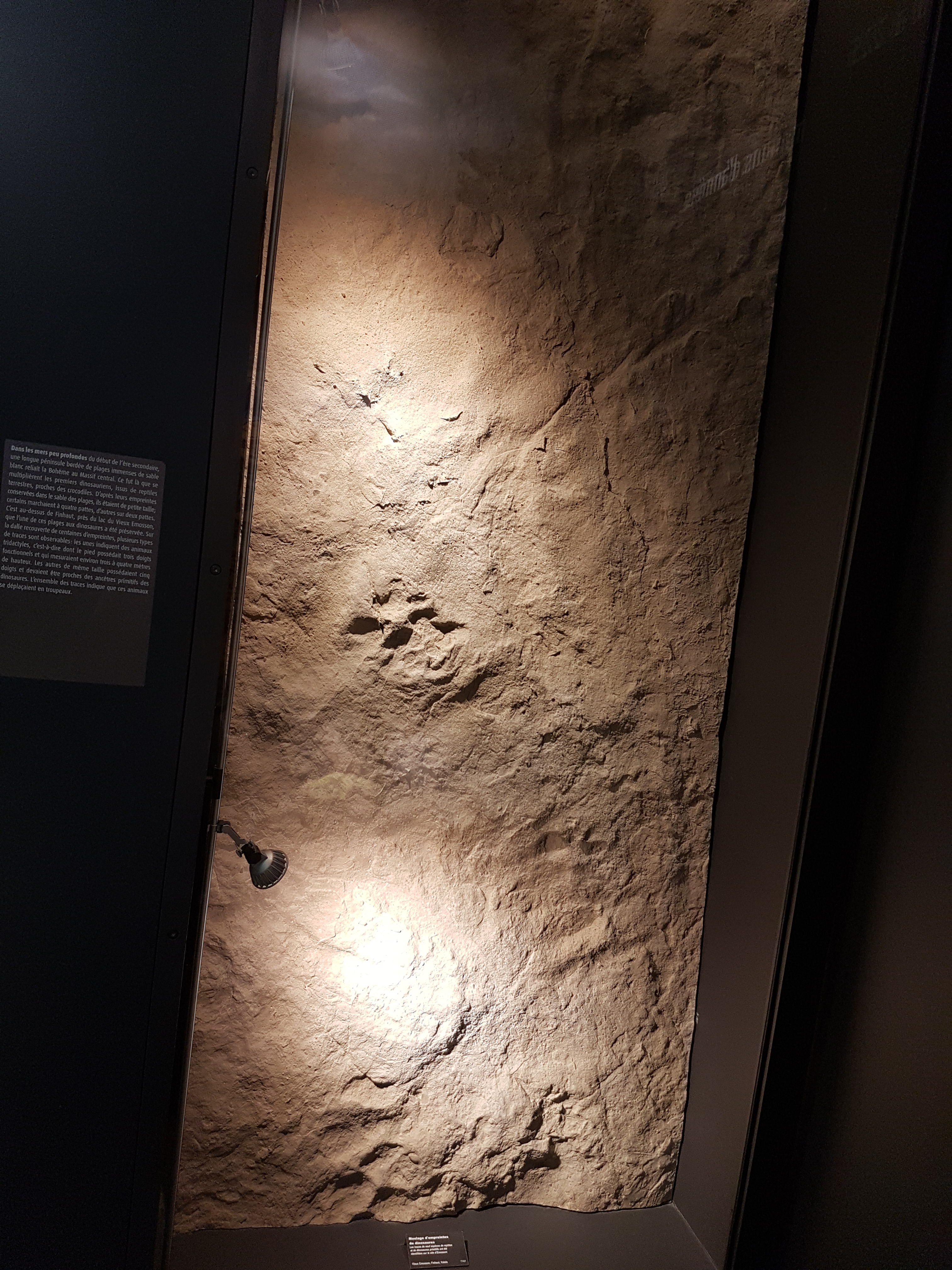
Slab of “dinosaur” tracks but it was not clear to me what dinosaurs/archosaurs/whatever made them. I wish my French was better. Closeup below shows two footprints superimposed.
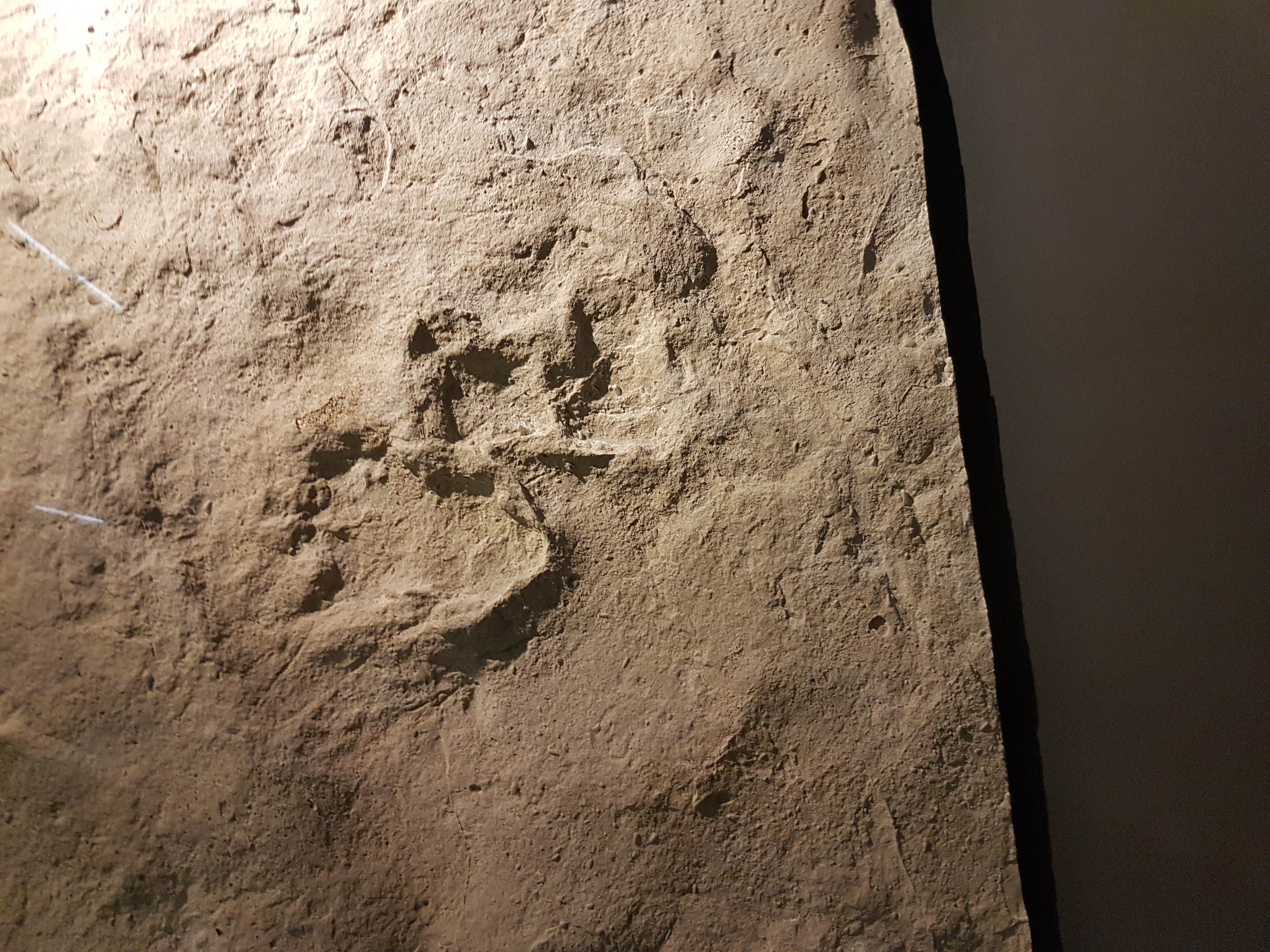
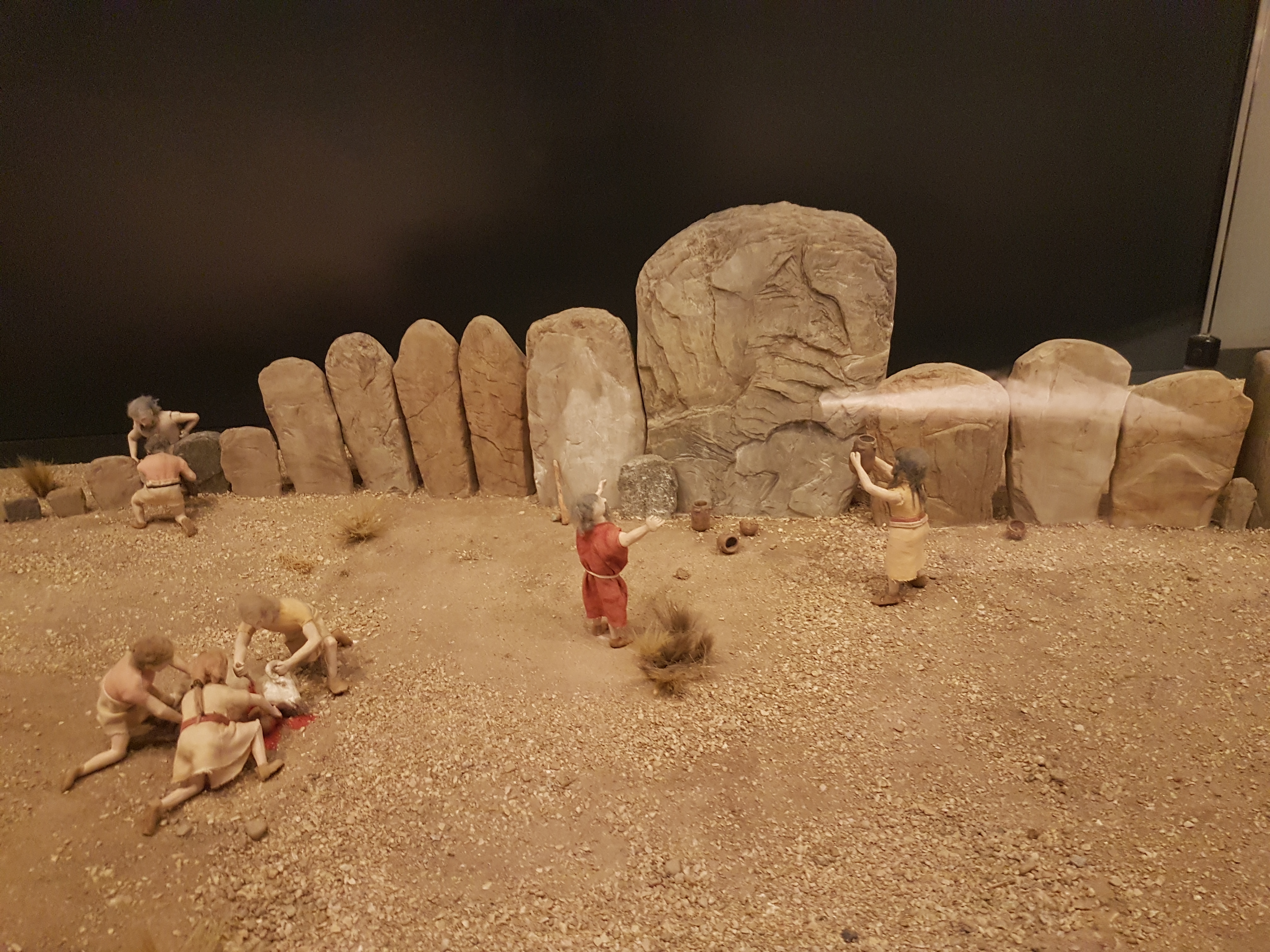
At last, the coup de grace! What museum would be complete without a diorama!? (I love them) This one, with a goat sacrifice and early Stone Age people praying to heathen deities/spirits at an elaborate petroglyph array rocked my world. And so it makes a perfect final image. Enjoy, and conduct the proper rites.  \m/


Read Full Post »

I’ve written some soul-searching posts here before, but the topic I’ve long held back from addressing is the one that feels most forbidden as a senior-level academic. Today I’ve relented and written on it. Well, anyway I wrote this about 4 months ago and sat on it, and now’s the time. To hell with the forbidden — it is that nature which has been a torment. In academia we hear many stories, and are encouraged to talk openly about, the trials and tribulations of securing a permanent faculty (or similar; e.g. curator) post. I could write about my experience as an early career scientist, which wasn’t easy, but it wouldn’t be as contemporary or as fraught with emotion as this one is. This post is about the next step, one we hear so little about: attempting a mid-career transition between institutions.

I’ve bottled these thoughts up long enough but realized they are a teachable moment that others may benefit from, as I will loop back to at the end. The point of the post is not to seek pity or sympathy, or convey that doom and gloom about academia that pervades the internet, or even to hope for empathy, but to simply state this how it has been for me so far (SPOILER: it’s a story of failure), if one is headed down this path it might help, or at least the tale might be of interest in some other way, even having parallels with some non-academic careers.

Stomach-Churning Rating: me 1010/10; yours will vary

It is probably a good idea, and I don’t know the statistics but I imagine it is common, to move between institutions at least once in a scientist’s career, and not uncommonly twice; thrice enters a bad dimension and four or more times is either pathological or purposefully peripatetic (which might be fun!). Sooner or later one wants a change of pace: one may seek to move up the ladder to a better institution, more salary or other benefits, more desirable geographic location, escape poor working conditions for anything else, and/or other factors. New adventure, mid-life crisis, whatever. At mid-career, the temporal window is closing to find that place you finish your career at, hoping for ultimate stability and satisfaction. The pressure begins mounting, but while the opportunities to transition at assistant professor level are small (with much competition), the opportunities to do so at associate professor, let alone full professor level, approach the nadir. It varies among fields and geographic regions (and how choosy one is), but there may be only 1-2 jobs in one’s field in a year. Competition may be smaller than at junior level, or just hard to even compare, but a qualitatively different factor emerges.

Early career scientists (ECSs) are evaluated in job interviews for faculty-level posts in terms of their potential to grow to become what the institution needs; with evidence of already being on that trajectory important. But it’s less about who you are as how you convince the institution that you can become that dream academic they need most. At a mid-career level, everything is in plain sight. You have a track record. You probably know 1+ people in the institution or they might never give your application a second look. So as a known quantity, the question switches to how the person fits what is needed now and in the immediate future. They are less malleable. They probably won’t do a major pivot to change their research or other direction; that’s hard at a senior level (and an uphill battle to convince committees of). Once the few candidates have been interviewed, it’s probably clear to the search committee who fits their needs. There is less likely to be the “what if?” mystery with the ambiguous future of ECSs that may leave the committee more uncertain. It’s like being handed a puzzle to put together, vs. handed a batch of ingredients to cook freestyle.

Now begins my personal story. It’s maybe the worst-kept secret I have, I realize. And now I’m OK with that. When I came to the RVC, I was told that I’d probably remain for 5-7 years and then move back to the USA, and that was fine — even expected. I thought as much, too, and by the end of that time period I’d been applying for jobs to make that return voyage as prophesized. 10 years later, after almost 16 years, I’m still here. I’ve hit the wall of the mid-career transition and had to come to grips with its harsh reality. With few jobs and slim odds, I worry that I’m near an event horizon. I’m an academic straddling some fields that makes me somewhat of a square peg for many jobs. What am I? Do I fit into conventional labels and needs? This has been my career-long identity struggle — an evolutionary biomechanist is a weird mix. Having a large grant, too (the DAWNDINOS one), could be seen as an impediment as I’m still set on a major research project for 2 more years. Yet who knows… the rest is personal and remains uncertain.

Before I finish I must address the forbidden nature of such concerns. As mid-career academics, we’re enormously privileged. We have a job, perhaps a family, a home, relative stability and security, and so forth. ECSs might give anything for that! But we have our own lives to live, and the existential crisis of time-is-running-out only gets more intense. The prizes of tenure and other success may not come with happiness. We may feel “forbidden” to speak of our experiences not only because of such privilege, but also because of massively complex socio-political interactions that face us when trying to move institutions. I am fortunate that my institution has had my back throughout my process — others would not be so kind. I’ve heard of some universities that will sack their academics if they mention to senior administrators that they are contemplating a move! That’s just evil.

It can cause deep anxiety, uncertainty, political chicanery and other trouble for the news of seeking a mid-career transition to reach the wrong ears at the wrong time — particularly as it tends to be a prolonged, uncertain process. Seeking a job vs. moving with a signed contract are different things! Far, far, far apart on the spectrum of certainty are they. Moreover, the choice to seek to move jobs is a personal and private one. We may not want to become the topics of idle gossip, or even misinformation and undermining. These factors make the journey a lonely and unique one, and it would be a grotesque understatement to say that the personal (e.g. family, health) dynamics involved will compound the stresses. Together these can impact not just life outside of work but performance at and enjoyment of work itself.

The learning opportunity that I most want to share is this: if you’re on this kind of career track, plan to move early and get started early. Apply to jobs sooner (i.e. as an assistant professor) than later (i.e. tenure onwards) even if you’re not sure about wanting to move. Talk to your partner, peers or those that matter most about this; have a trusted, private support network and advice. Get some irons in the fire and see what opportunities arise. Expect that it may take much longer than you thought, so be strategic. Have a plan B, C and D; think about how flexible you can be. And, while you might do well getting interviews and hear nice things about how amazing you are (cold comfort at times), get used to the answer that you just don’t fit what a search committee was looking for. “Fit” is that Swiss army knife of words we use in such situations in academia, to embrace a wide range of reasons we don’t want to (or can’t, for HR/legal concerns) get into at the time for why a job decision is made. A lack of “fit” is a hard word to hear and accept, as we might see it otherwise, but it is the reality and we must accept it. By accepting such realities, perhaps the forbidden will become bearable.

Read Full Post »

I heard that the UMZC has some new exhibits open, so back I went! For the prior posts see here (mammals/basement) and here (everything else). Another photo tour! There’s a special (art) exhibit, too, so stick around to the end.

All images can be clicked to mu-zoom in on them.

Stomach-Churning Rating: 3/10 mainly skeletons, some preserved critters in jars.

The first new section is an elaborated display on reptiles.

Clevosaurus, a Triassic relative of the living tuatara reptile, Sphenodon. Nice fossil hindlimbs!

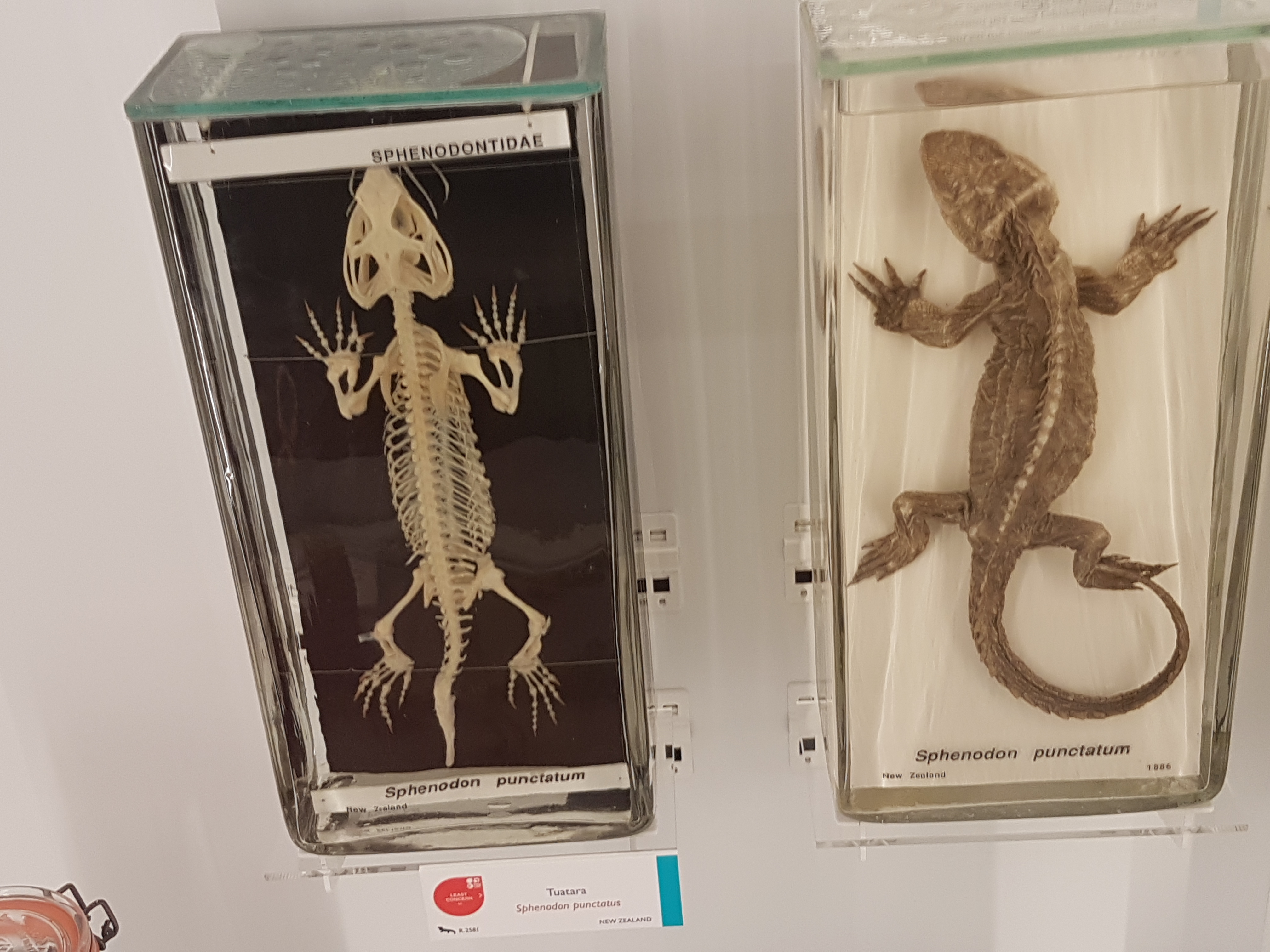
Tuataras (Sphenodon), skeletal and preserved.

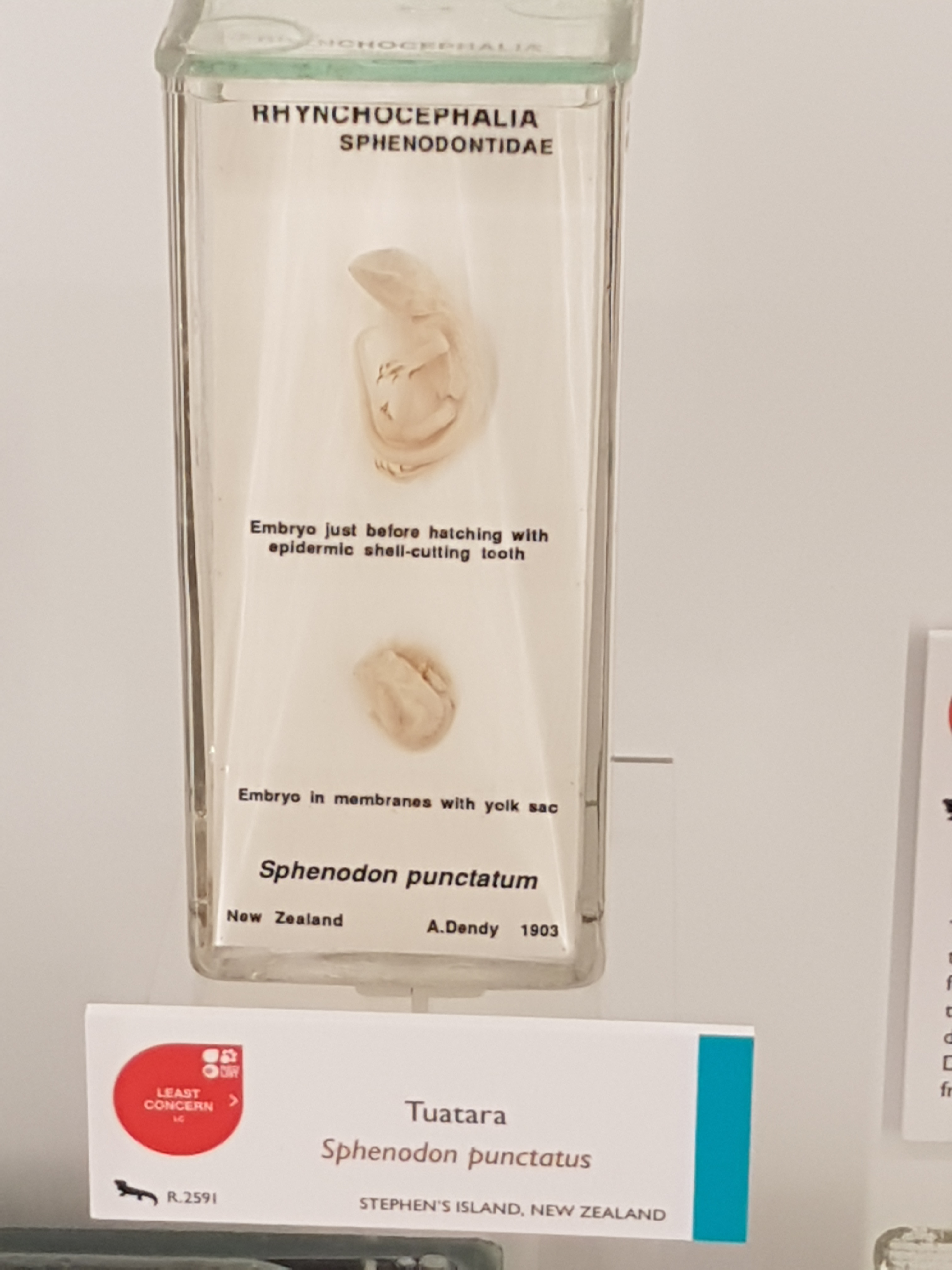
Tuatara embryos!

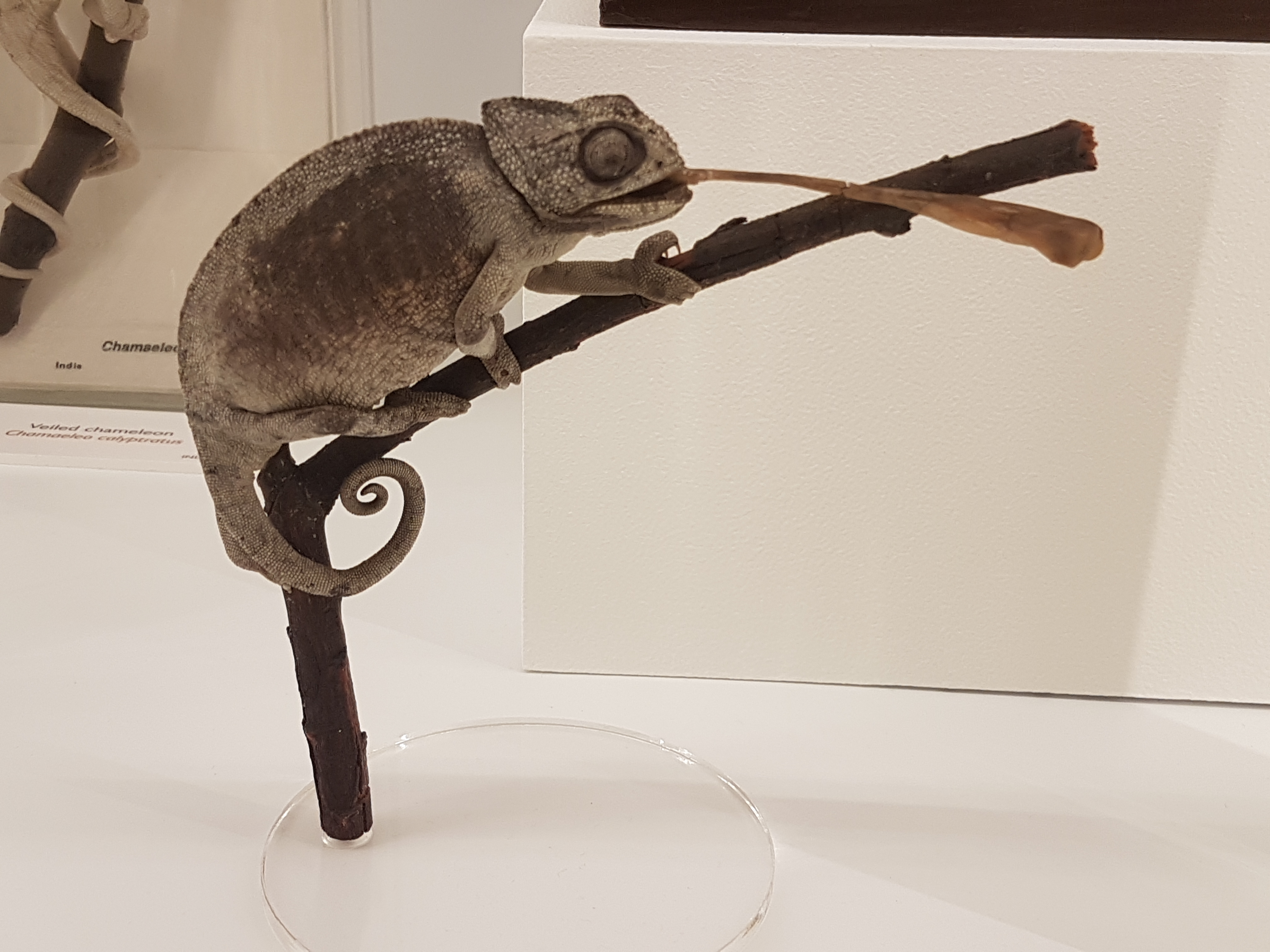
Nice chameleon mount w/tongue extended.

Thorny devil (Moloch), de-thorned and in the flesh.

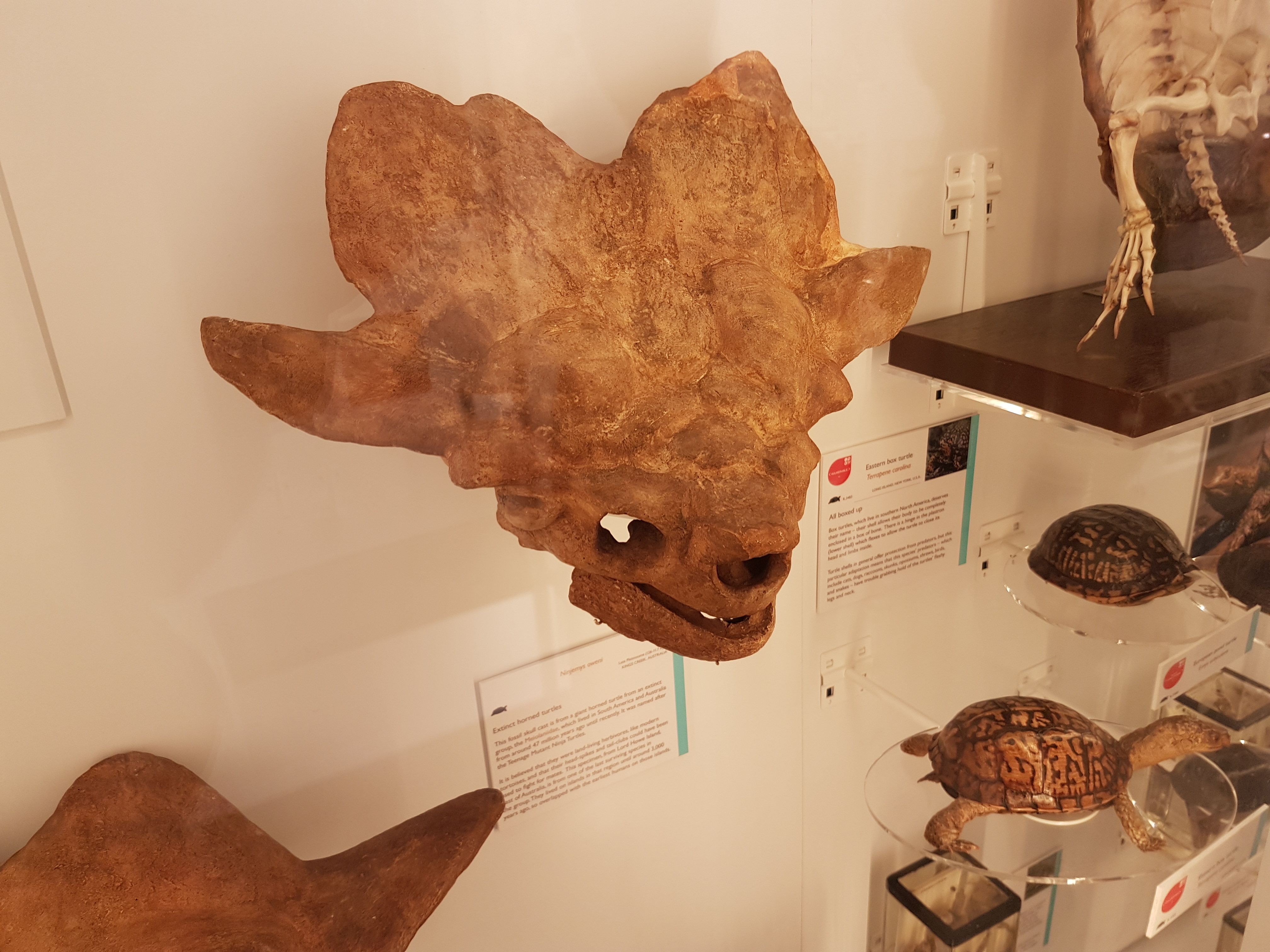
Skull (cast) of Ninjemys, the giant turtle.

Pipe snakes! Snakes with vestigial hindlegs.

Istiodactylus pterosaur snout-tip (real fossil) from the Isle of Wight, UK. Nice 3D fossil.

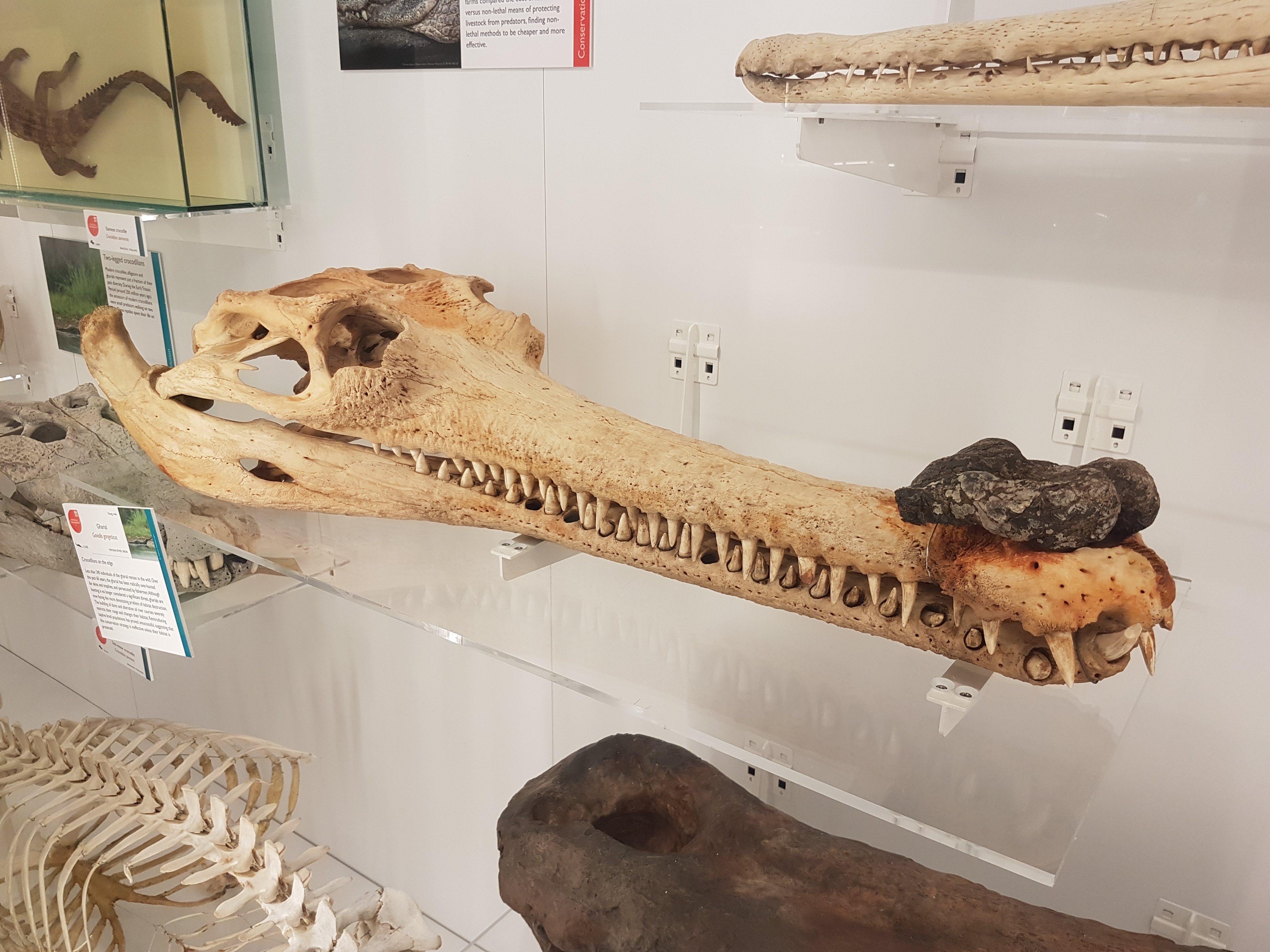
The gharial (Gavialis), male with protuberance on snout (mating-related).

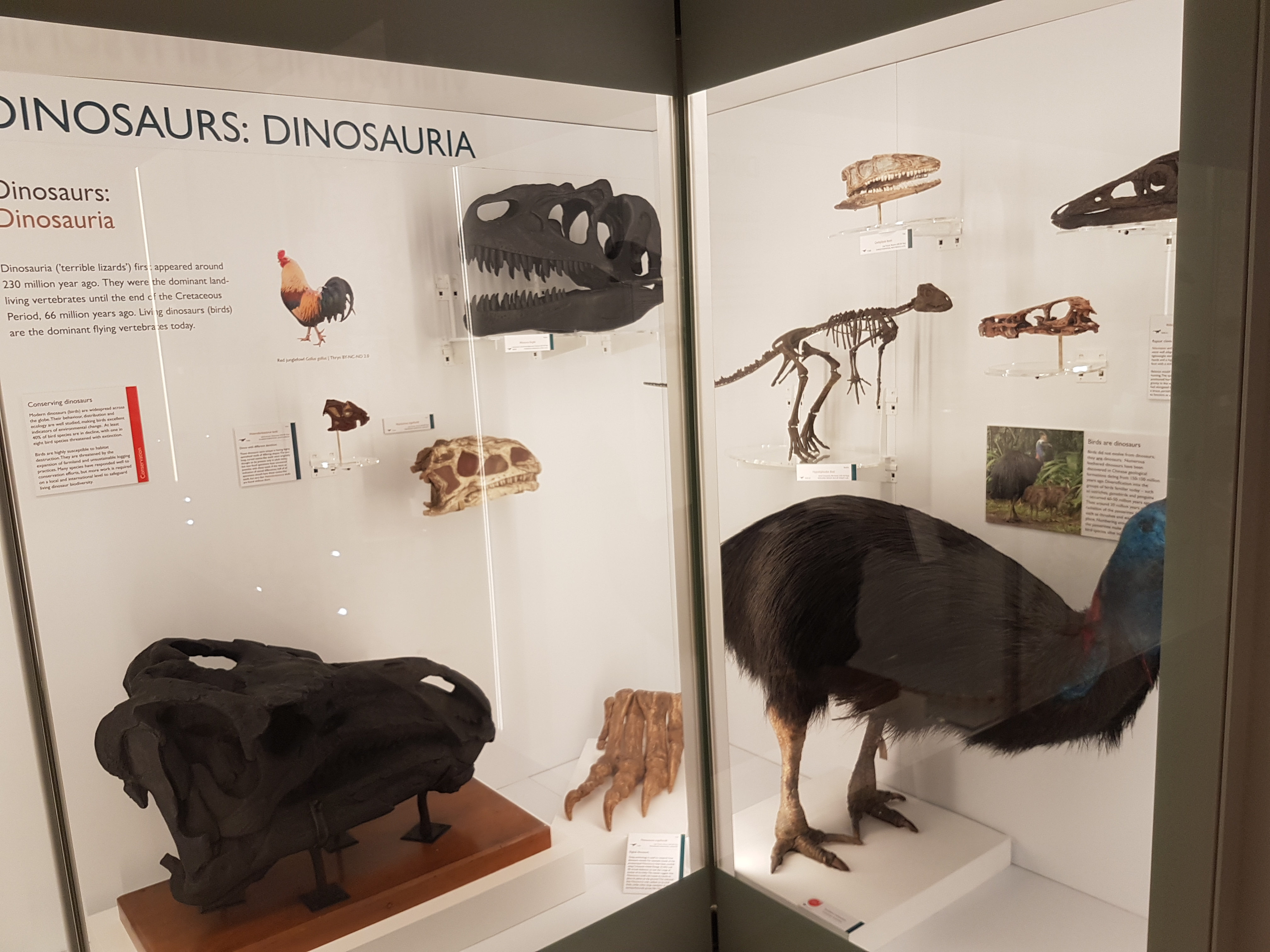
I dub thee Dinosaur Corner! For dinosaurs, the Sedgwick Museum across the street (also free; also classic and awesome) is the place to go but this corner does a good job fighting for the scientific conclusion that birds are dinosaurs.

And now a change of pace. On to the special exhibit!

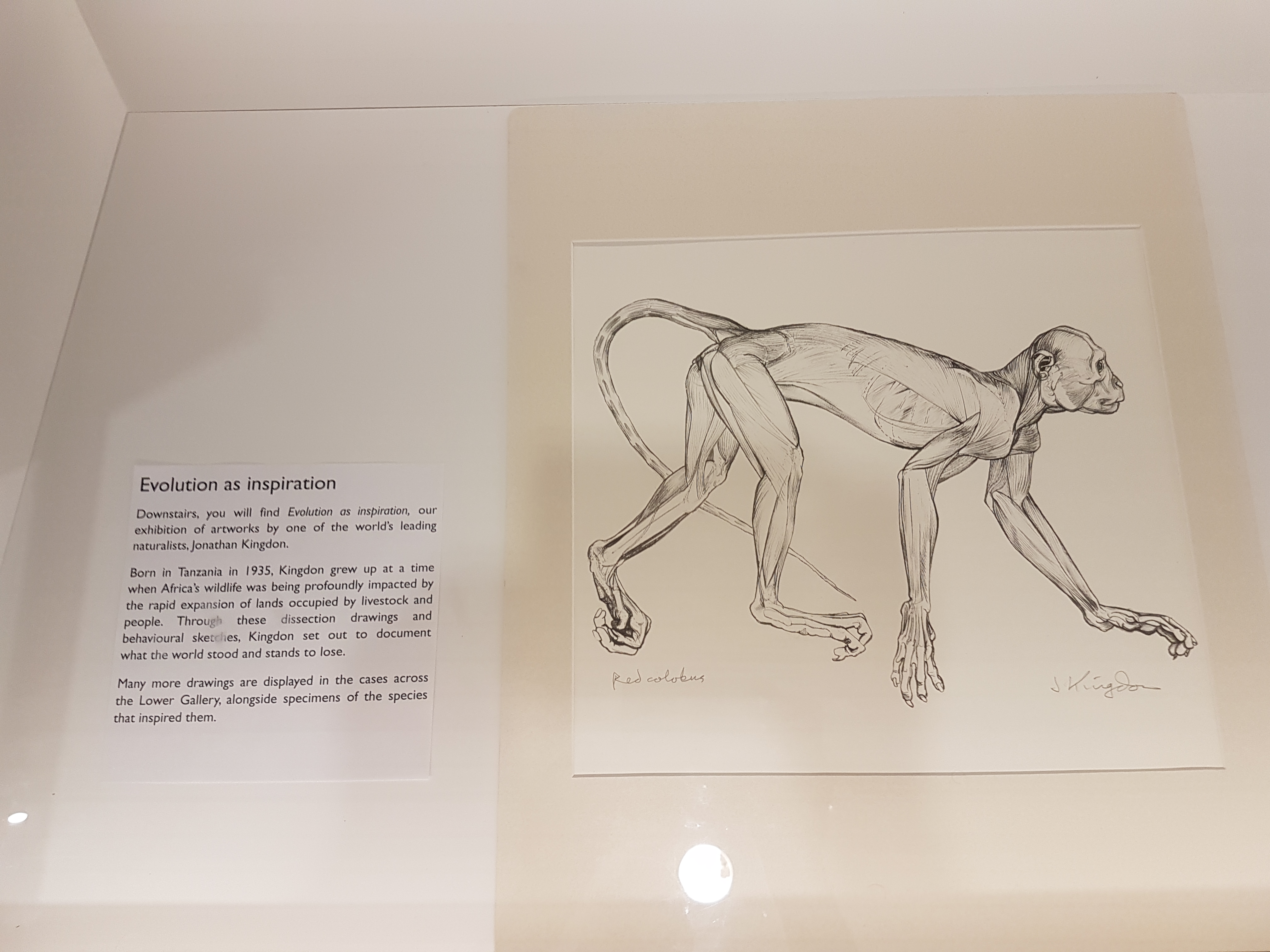
A nice surprise to see naturalist superstar Jonathan Kingdon‘s scientific illustrations and nature-inspired artwork displayed here. I’ve added photos of ones I liked the most.

As the caption explains, Kingdon used art to explain the value of nature; via realistic images of life, dissections, and creative abstractions drawn from them.

Hammerhead bats: even freakier when skinned.

Begone if ye find not joy in aardvarks!

White-toothed shrew looking extra-ghoulish with flensed face.

Skinned sengis in action.

More sengis (elephant shrews); with a note explaining that they are not rodents/insectivores but afrotheres, cousins of aardvarks, elephants and kin.

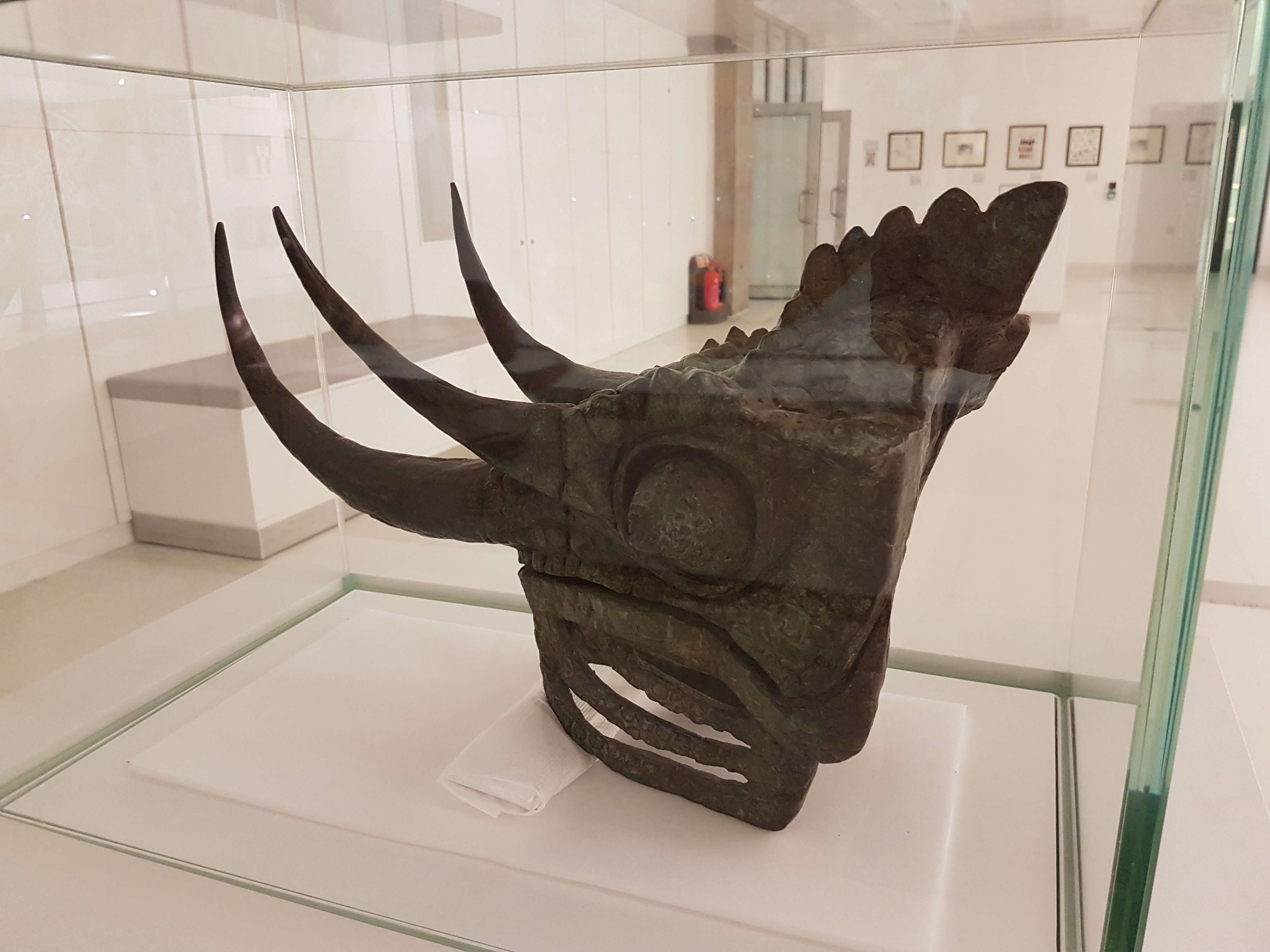
Bronze Jackson’s chameleon bust.

Asian barbet faces: this was fascinating. Kingdon used the paintings to explain how barbet faces vary across species as recognition devices to aid in territorial defense, especially of their nest-holes in trees, in which they face outwards to display their coloured faces. The middle image shows one lone species that has no such territorial competitors and has evolved back into brown colour, perhaps due to relaxed selective pressure for colour. Neat!

Oh my, this took my breath away! Mixed media depicting the varied forms of facial ornaments in vultures; soft tissues used in communcation. And here mounted on a butcher’s rack. Do vulture bits mimic their grisly food?

Read Full Post »