Feeds:
Posts
Comments

Archive for the ‘Mystery Anatomy Posts (all)’ Category

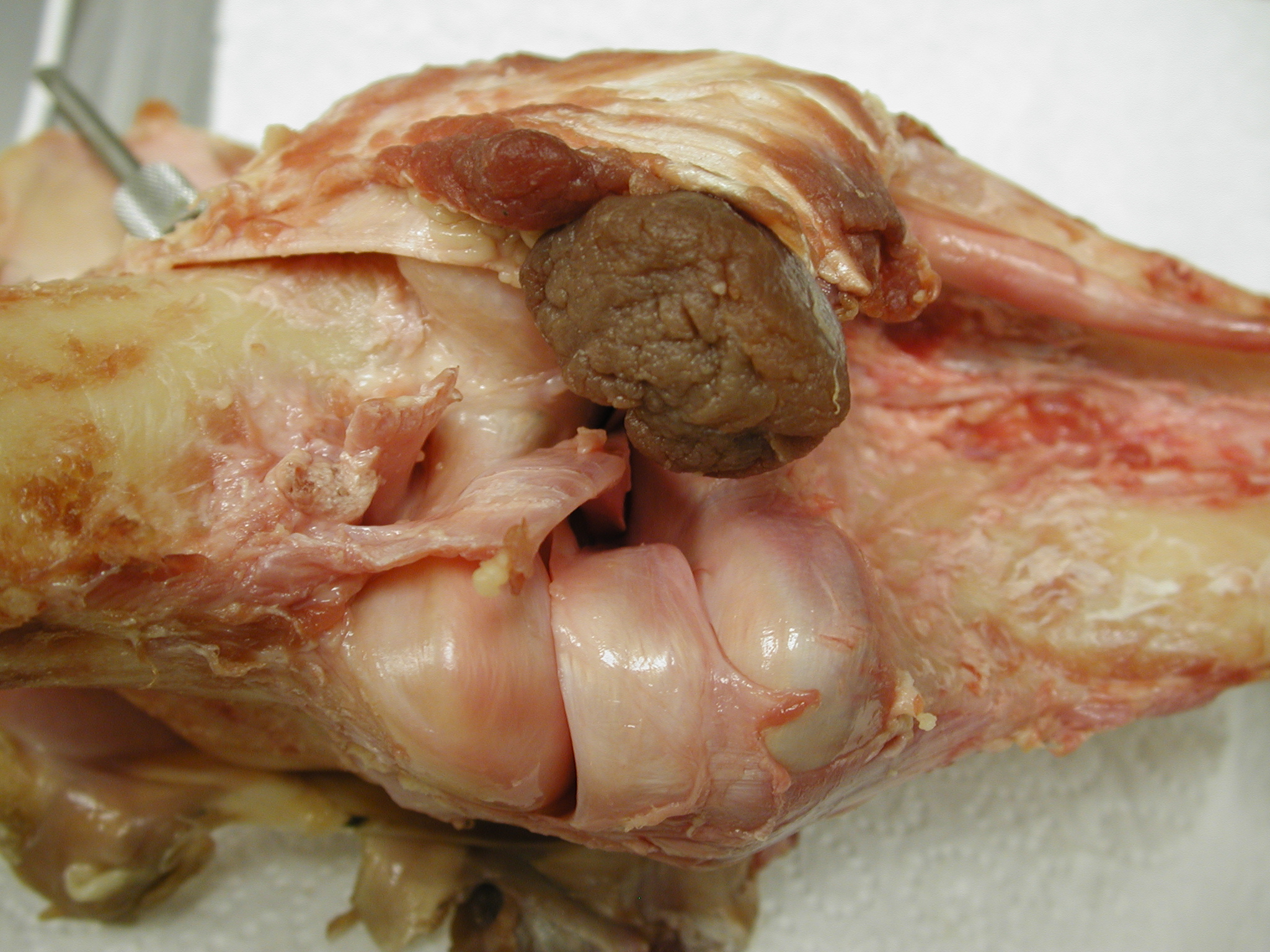
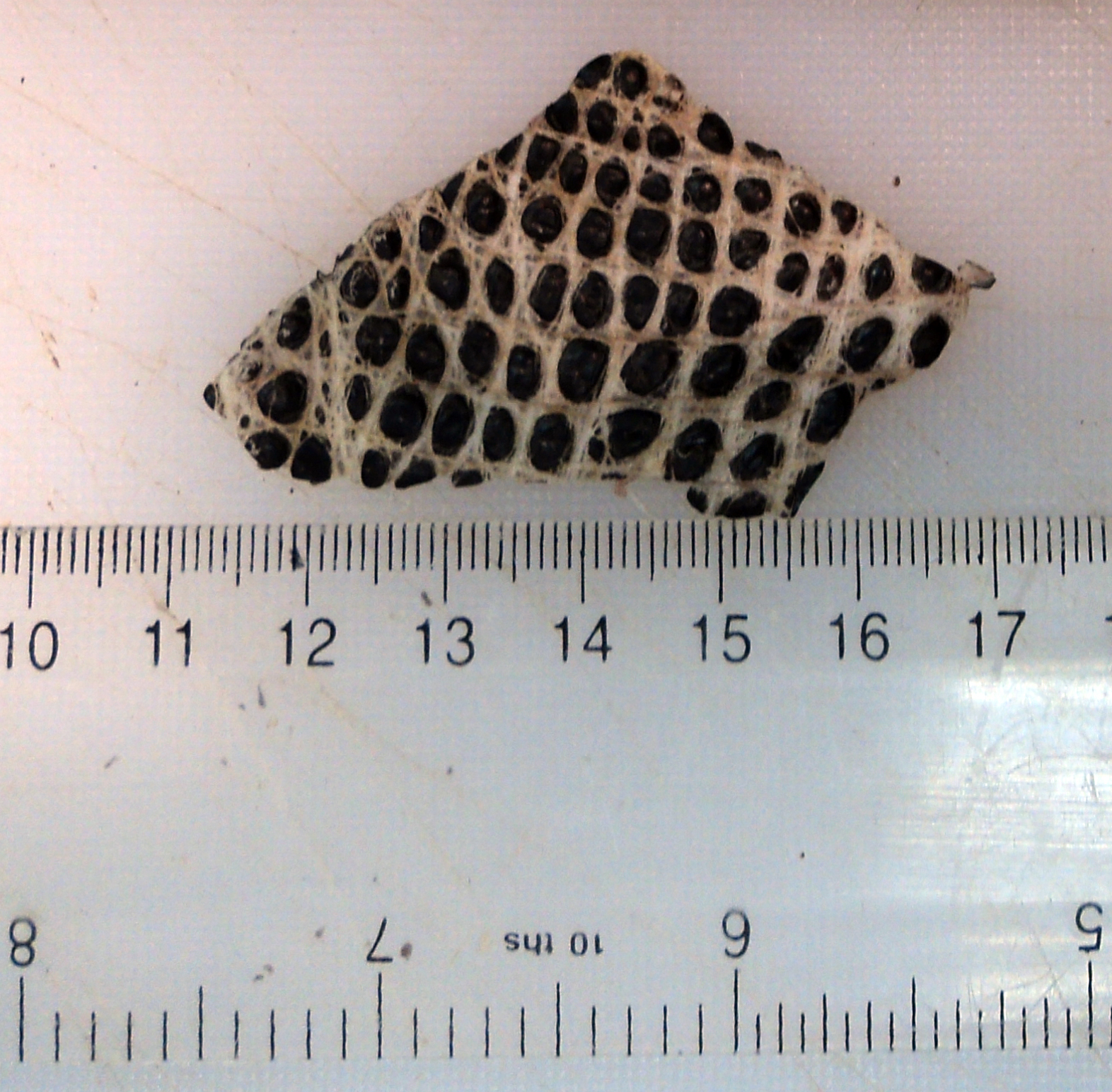
Welcome to another round of Mystery Dissection; no frills or miracles-required this time; tell me what you can about this specimen.

Difficulty: No-way-you-can-get-this-down-to-genus-level; blurry photo; scale unknown

Stomach-Churning Rating: 5 at worst, especially once you realize it’s in preservative; hence the odd colour.

Read Full Post »

The Olympics are over! Hooray for everybody! Here I’m taking a different spin on the blog’s Mystery Dissection series: a mysterious method– what is going on here and why? I know someone will get this, but experts might want to hold back and let non-specialists have their moment in the sun first…

Stomach-churning rating: 6/10. (but probably too late!) Be glad this image does not include an olfactory component.

The scene is from ~2005 and took place in our old lab- note the filthy floor. It rarely got much cleaner than that. Before we moved in, this was an abattoir at some point. We used to have experiments going on in this hangar-like area of our small office building, right next to our office rooms. The smell and noise was… unpleasant. Luckily, now we have a separate office building (renovated from this old structure) and a wholly new, giant gait laboratory full of science toys.

Read Full Post »

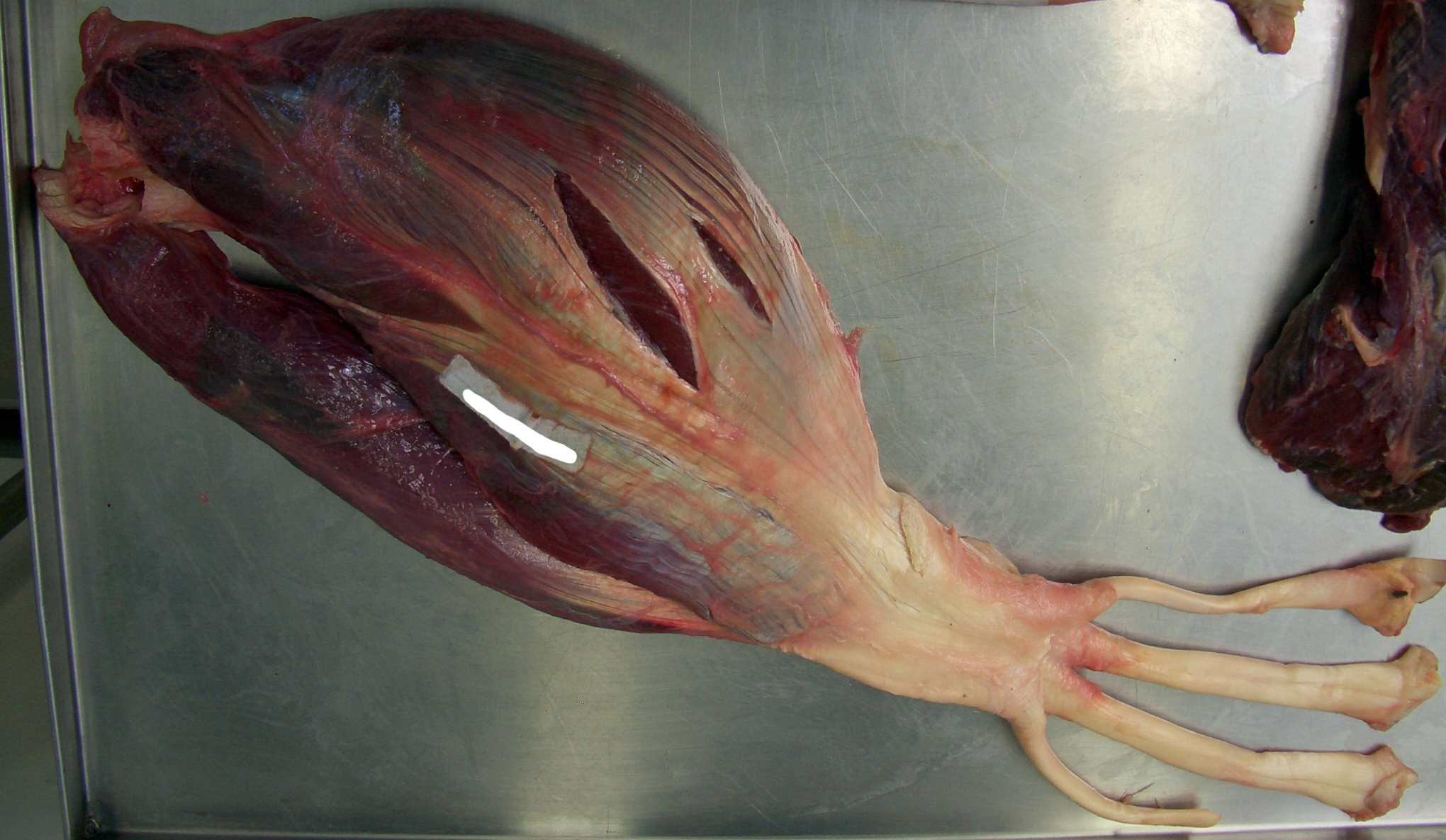
You know the drill- tell me what you can about this rather messy dissected specimen from The Freezers. What are the structures shown? Identification to genus/species level is probably not possible, but try to pin down the group of organisms it is from as tightly as you can:

Edit: This post had a Stomach-Churning Rating of 5/10. So you were probably safe anyway; if not, share your tale of revulsion in the Comments. 🙂

Edit edit: The specimen is revealing more here; this may or may not help:

Read Full Post »

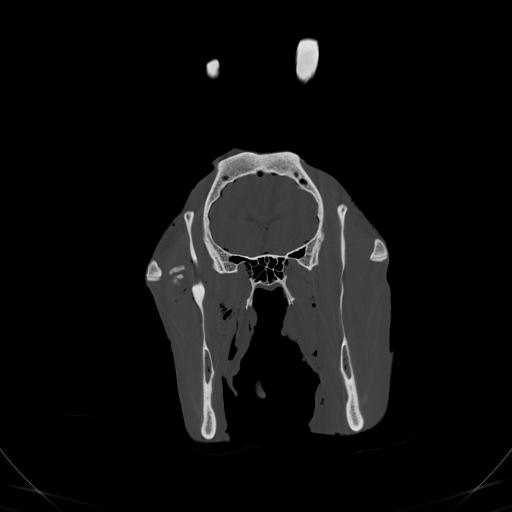
Unknown CT slice

Such deep dark secrets you hold

Hiding in grayscale

Provide your answer in haiku (HU-ku for CT scan geeks!), or suffer great shame!

(answer now posted in the comments– check out the CRAZY pathology on the left jaw joint though!)

Some comparisons: first a pathological animal, then a non-pathological one. Ignore the bad segmentation job I’ve done around the eyes (thin bone region) and other areas– focus on the jaw. Also, the lack of ossicones is an age/gender issue, not pathology! The jaw arthrosis (fusion of joint; probably infection involved) is clearest in the preview image or if you pause the video at a half revolution.

Pathological left jaw (bone has grown around temporomandibular joint)

More normal jaw (and lack of ossicones/horns; probably a female since the rest of the skull is fairly mature)

Read Full Post »

John, 2 mystery pictures!?!?! That’s not fair! We’ll be up for weeks puzzling over these!

Aww, deal with it. 😉

Is there a connection between these images; a clue or two; or am I just messing with you and they have nothing to do with one another? Take a gander. Take your best shot. Or take a hike!

Tell me as much as you can about the top (Mystery A) and/or bottom (Mystery B) images. Difficulty level: Integrative Anatomist.

Bon chance!

(more…)

Read Full Post »

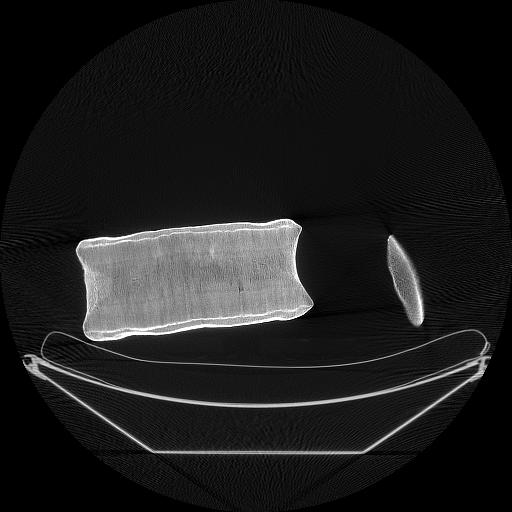
As promised, another CT slice to ponder! Mystery Dissection images will be back; I want to collect some more cool photos though. Otherwise it will turn into too much “mystery hindlimb muscle of the week”. I welcome “guest posts” of Mystery Dissections if someone wants to try to stump the audience! Anyway, on with the show… This one is not so easy, but not impossible by any means, either. Tell me what you can about this mysterious object!


Read Full Post »

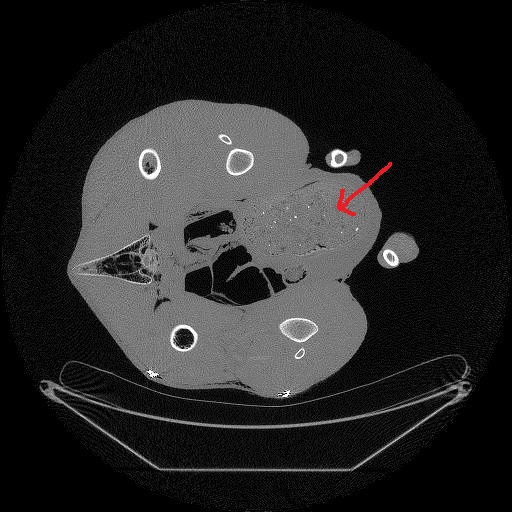
Here’s something a bit different from my usual Mystery Dissection images: a Mystery CT Slice with an indicated structure for you to identify. I can definitely do this quite regularly. And I’ll try to always draw the arrow on using MS Paint, quite shakily to indicate my frenetic mental state. Bonus points for identifying the organism. It’s not super hard but let’s see how you do with this one. Go for it!

EDIT: OK, you’ve had a good go at it, definitely. Almost everyone was more or less right in some way, so here, have a treat! We’re looking at a cross section of a ~6 month old emu (Dromaius novaehollandiae) from the RVC Structure and Motion Lab’s aviary. And indeed the structure is the ventriculus; the technical term for the gizzard; the muscular organ that acts like teeth for birds, grinding up food. The proventriculus is the more enzyme-producing, non-grinding compartment connected to the ventriculus. This emu had just eaten a bit of grit (the bright spots in the scan) whereas its comrade had eaten relatively huge pebbles, which surprised me when I scanned it and certainly was not accidental ingestion. Here are some labels to help orient you in this cross-sectional x-ray CT image; we’re in the cranial (anterior) region of the thorax, just a bit behind the heart and in front of the guts:

For the less anatomically-jargon-loving, the synsacrum is the hip region (fused pelvis, backbone in birds), the femur is the thigh bone, tibia and fibula are shank bones, and the tarsometatarsus is an elongate “sole bone” of the foot; actually 3 fused metatarsals and tarsal bones integrated into one unit in birds as a likely strength:weight maximizing adaptation. The air sacs of course are outpockets of the lungs, much famed among dinosaur workers of late. Of course, Dr. Oliver Wings of the Humboldt Museum in Germany is the reigning authority on dinosaur gizzards, gastric mills and the lack thereof in many dinosaurs (most notably sauropods), so look his stuff up if you’re interested in this!

Well done and thanks for playing! Another session will come soon enough, plus I have some big posts planned for later this summer once work calms down!

Read Full Post »

A superficial little post for you today, with a skinny specimen from the freezers. What is it, what/where from, etc; tell me what you know about it!

(upper object, not the ruler…)

Read Full Post »

Good morning, Freezerinos! Here is a twin treat for you to puzzle over. Two things, perhaps rather squidlike at first glance, but not cephalopods. There is a conceptual connection between the two images. Can you identify both of these structures? Huge bonus points if you can identify the taxon they belonged to, but stabs at it are encouraged; there are clues in the images…

(labels have been removed to protect the innocent)

Read Full Post »

Without further ado, what’s up with this specimen from The Freezers? What is it, what animal etc?


(admin note, 28 Oct 2012: Mystery Dissections 2-3 do not exist, mysteriously. At the time, in the jumbled freezers of my mind, they corresponded to Mystery CT Slice(1) and Mystery CT Slice 2. But we can pretend that MD2-3 are just an eternal mystery of this blog, subject of numerous conspiracy theories that you are welcome to expound upon!)

Read Full Post »

« Newer Posts - Older Posts »